
CBD vs CBG vs CBN: Effects, Benefits, and How to Choose
Quick Answer: CBD, CBG, and CBN are three non-psychoactive hemp cannabinoids with meaningfully different effects. CBD offers the broadest daily support for mood, stress, and sleep. CBG is the daytime cannabinoid – focused, uplifting, and well-suited to productive hours. CBN is best known for nighttime relaxation and sleep onset support. Knowing which one fits your goal – and why combining them often outperforms any single compound – is what this guide covers.
CBD has dominated the conversation around hemp cannabinoids for years. But CBG and CBN are closing the gap fast – and for reasons that go beyond marketing. Each of these three cannabinoids interacts with different receptor systems, at different intensities, with effects that are genuinely distinct from one another.
If you’ve ever wondered whether CBG is worth trying for focus and energy, whether CBN actually helps you sleep, or how CBD fits alongside both throughout the day, this guide answers those questions with verified research and practical guidance. We compare CBD vs CBG vs CBN across effects, research evidence, ideal use cases, dosage ranges, and product formats – so you can choose based on your actual goal, not guesswork.
Mellow Fellow builds its product lineup around this exact kind of intentionality. Whether you’re shopping for daytime clarity, nighttime wind-down, or balanced daily support, understanding these three cannabinoids is the right starting point.
Key Article Takeaways
- CBD, CBG, and CBN are all non-psychoactive cannabinoids derived from hemp, legal federally under the 2018 Farm Bill
- CBG is often called the “mother cannabinoid” – it’s the chemical precursor from which CBD, THC, and CBN are all synthesized in the plant
- In the first human clinical trial of CBG, 20 mg significantly reduced anxiety at 20, 45, and 60 minutes after ingestion compared to placebo (Washington State University, 2024)
- Combining CBD, CBG, and CBN activates the entourage effect – producing layered, consistent results that single-cannabinoid products often miss
- Mellow Fellow’s purpose-built wellness products, including CBG Happy Gummies, CBN Sleep Gummies, and multi-cannabinoid blends, are designed around these distinctions
What Is CBD?
CBD (cannabidiol) is the most widely researched cannabinoid in the hemp plant and the one most consumers encounter first. It has a molecular formula of C₂₁H₃₀O₂ and doesn’t bind strongly to CB1 or CB2 receptors the way THC does. Instead, it modulates those receptors indirectly while also interacting with serotonin (5-HT1A), vanilloid (TRPV1), and adenosine receptor systems.
How CBD Works in the Body
That broad receptor activity is part of why CBD’s effects cover such a wide range: stress reduction, inflammation support, sleep improvement, and mood stabilization all appear across the research literature.
One common misconception is that CBD is simply “weak THC.” It isn’t. CBD operates through a different receptor profile and often produces effects that counteract THC rather than mimic them – which is why CBD-dominant products are popular among users who want calm without intoxication.
CBD and Clinical Validation
The clinical validation behind CBD is the strongest of the three cannabinoids covered here. The FDA has approved Epidiolex – a purified CBD oral solution – for treatment of seizures associated with Lennox-Gastaut syndrome and Dravet syndrome, making CBD the only cannabinoid with an approved prescription drug to its name. Details on that approval are available directly from the FDA’s cannabis regulatory page.
What the Research Shows
A large 2019 case series published in The Permanente Journal (PubMed PMID: 30624194) followed 72 adults using CBD for anxiety or sleep concerns. Anxiety scores dropped within the first month in 79% of participants and remained decreased throughout the study period. Sleep scores improved in 67%, though they fluctuated over time. The study remains one of the most cited clinical references for CBD’s real-world effects on anxiety and sleep.
CBD is available in nearly every delivery format – gummies, tinctures, vapes, softgels, and topicals. For a full look at Mellow Fellow’s CBD lineup, the CBD collection covers products across all formats.
What Is CBG?
CBG (cannabigerol) is often called the “mother cannabinoid” because cannabigerolic acid (CBGa) is the chemical precursor from which THCa, CBDa, and CBCa are all synthesized. As the cannabis plant matures, most CBGa converts into other cannabinoids, leaving less than 1% CBG by weight in most mature plants. That relative scarcity makes CBG more expensive to produce and extract than CBD – and is part of why it remained largely overlooked until recently.
How CBG Works in the Body
CBG has the molecular formula C₂₁H₃₂O₂ and interacts with both CB1 and CB2 receptors more directly than CBD. It also inhibits the reuptake of anandamide – the body’s endogenous “bliss molecule” – which may account for the clear-headed, uplifted quality many users associate with it. For a detailed look at the receptor mechanics and what users typically experience, our post on how CBG makes you feel covers both the science and the practical side.
The First Human Clinical Trial of CBG
In 2024, researchers at Washington State University and UCLA published the first human clinical trial on CBG’s acute effects on anxiety, stress, and mood in the journal Scientific Reports. The double-blind, placebo-controlled crossover trial with 34 healthy cannabis users found that 20 mg of hemp-derived CBG significantly reduced anxiety at 20, 45, and 60 minutes post-ingestion compared to placebo. Stress ratings also decreased significantly at the first measurement point.
What CBG Survey Data Shows
A separate 2021 survey published in Cannabis and Cannabinoid Research (PubMed PMID: 34569849) found that CBG users most commonly reported therapeutic benefits for anxiety (51%), chronic pain (41%), depression (33%), and insomnia (31%). Most respondents reported greater efficacy of CBG over conventional pharmacotherapy, with a well-tolerated adverse event profile. For more on CBG’s specific benefits and use cases, see our dedicated CBG benefits guide.
What Is CBN?
CBN (cannabinol) is a minor cannabinoid that forms when THC oxidizes over time. As cannabis ages and THC is exposed to light, heat, or oxygen, it degrades gradually into CBN – which means older or improperly stored cannabis contains higher CBN levels. CBN has the molecular formula C₂₁H₂₆O₂ and binds to CB1 receptors at much lower affinity than THC, which is why it’s classified as mildly psychoactive but non-intoxicating at standard hemp product doses.
CBN and Sleep Architecture
CBN’s sedative reputation is the core of its commercial appeal, and recent preclinical research has now provided the first objective evidence that this reputation has a basis. A 2024 study from the University of Sydney’s Lambert Initiative for Cannabinoid Therapeutics, published in Neuropsychopharmacology, used polysomnography to measure CBN’s effects on sleep in rats. CBN significantly increased total sleep time and enhanced both NREM and REM sleep – with NREM effects comparable in magnitude to zolpidem, a standard pharmaceutical sleep aid.
What the Human Trial Pipeline Looks Like
Human clinical data on CBN remains more limited than for CBD or CBG. A registered clinical trial at the University of Sydney – the “CUPID” trial, published in BMJ Open – is currently investigating CBN’s effects on sleep in people with insomnia disorder at doses of 30 mg and 300 mg. Results from this trial will add substantially to what is known about CBN in humans.
Further Reading on CBN
For more on CBN’s relationship with sleep specifically, our posts on whether CBN helps you sleep and whether CBN affects REM sleep are both worth reading before you decide on a product.
CBD vs CBG vs CBN: Effects Compared
|
Cannabinoid |
Primary Effects |
Best Time to Use |
Psychoactivity |
Receptor Targets |
|
CBD |
Calm, mood balance, stress and inflammation support, sleep aid |
Morning, afternoon, or night |
None |
5-HT1A, TRPV1, CB1/CB2 (indirect), adenosine |
|
CBG |
Focus, clear-headed energy, mood elevation, appetite support |
Daytime |
None |
CB1 and CB2 (direct), anandamide reuptake inhibition |
|
CBN |
Relaxation, sedation, sleep onset and total sleep time support |
Evening or nighttime |
Mild at high doses |
CB1 (low affinity), TRP channels |
The clearest distinction: CBG leans daytime, CBN leans nighttime, and CBD works across both. That reflects genuinely different receptor profiles – not a marketing shortcut.
Cannabinoid Comparison: Research Evidence Summary
|
Cannabinoid |
Strongest Research Area |
Level of Human Evidence |
FDA-Approved Drug? |
|
CBD |
Epilepsy, anxiety, sleep |
High (multiple RCTs, case series) |
Yes (Epidiolex) |
|
CBG |
Anxiety, stress, mood |
Emerging (first human RCT in 2024) |
No |
|
CBN |
Sleep, sedation |
Preclinical (rat studies, human trials underway) |
No |
CBD vs CBG: Focus, Anxiety, and Daytime Use
When comparing CBD vs CBG for daytime performance, CBG generally wins for focus and clear-headed energy. Its inhibition of anandamide reuptake produces an uplifted, motivated mental state without sedation.
CBG for Productivity
Users commonly report that CBG supports sustained attention and a positive mood – which is why it shows up in productivity-oriented blends. The 2024 WSU clinical trial confirmed that 51% of CBG users consume it specifically to reduce anxiety, with 78% asserting it performs better than conventional anxiety medications for that purpose.
CBD for Anxiety and Stress Management
CBD, by contrast, reduces the cortisol response and lowers anxious overactivation without the directional lift that CBG provides. It works better for managing pervasive background stress than for actively pushing energy and focus in one direction.
When to Combine Both
Many experienced users combine both: CBD keeps anxiety manageable while CBG keeps motivation up. For anxiety specifically, both cannabinoids have useful evidence behind them but work through different pathways – CBD via the serotonin system, CBG via anandamide and cannabinoid receptors. Our guide on CBG vs CBD for anxiety and calming covers the receptor differences and practical implications, and our post on CBD vs CBG differences lays out the full comparison.
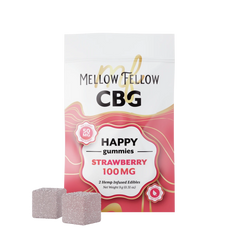
For daytime mood and focus, the Happy CBG Gummies (100mg, Strawberry) are a purpose-built entry point.
CBN vs CBD for Sleep and Relaxation
For nighttime use, CBN is the more targeted option. The 2024 University of Sydney polysomnography study confirmed that CBN increases total sleep time and enhances both NREM and REM sleep phases in objective measurements – the first study to verify CBN’s sleep effects at this level of rigor.
How CBD Supports Sleep Differently
CBD contributes to sleep through a different mechanism: it helps reduce the cortisol response and lowers the anxious arousal that often prevents sleep onset in the first place. Rather than promoting sedation directly, CBD creates the conditions for sleep by calming an overactive stress response.
Why Combining CBN and CBD Works Well for Sleep
Many sleep-focused products combine both cannabinoids for this reason – CBN promotes sedation and supports sleep architecture; CBD reduces the mental activation that can prevent sleep onset. The two complement each other well, particularly for users whose sleep problems are anxiety-driven.
The Sleep CBN Gummies (100mg, Cherry) from Mellow Fellow are designed for nighttime use – take them 30-45 minutes before bed. For CBN’s relationship with anxiety specifically, see our post on whether CBN is good for anxiety.
CBG vs CBN: The Daytime vs Nighttime Divide
CBG and CBN sit at opposite ends of the daily rhythm, which makes them highly complementary when used intentionally across the day.
- CBG: Best for mornings and afternoons. Clear-headed, uplifting, and supportive of focus and productivity. Some users also report mild appetite support.
- CBN: Best for evenings and nighttime. Sedative at moderate doses, supportive of sleep onset and total sleep duration. Counterproductive during the day if alertness matters.
- Combined: Many users build CBG into their morning and afternoon routine, then switch to CBN – with or without CBD – for evenings. This mirrors the body’s natural daily rhythm and maximizes what each compound does distinctively.
For a full breakdown of the two side by side, our CBG vs CBN guide covers the receptor picture and the best use cases for each.
The Entourage Effect: Why Multi-Cannabinoid Products Work Better
The entourage effect describes how cannabinoids, terpenes, and other plant compounds interact synergistically – producing effects greater than any single compound in isolation. For CBD, CBG, and CBN, this means a thoughtfully blended multi-cannabinoid product typically outperforms isolates for most use cases.
The Science Behind Cannabinoid Synergy
The foundational review on this topic is Russo’s 2011 paper, “Taming THC: Potential Cannabis Synergy and Phytocannabinoid-Terpenoid Entourage Effects,” published in the British Journal of Pharmacology. That 20-page review laid out the case for cannabinoid-terpene synergy across pain, inflammation, anxiety, depression, and infectious conditions. It remains among the most cited papers in cannabinoid pharmacology.
What This Means in Practice
The entourage effect is well-supported by preclinical data and is an active area of human research. What is clear across multiple clinical settings is that whole-plant and multi-cannabinoid extracts consistently outperform synthetic single-compound products. CBD, CBG, and CBN each add distinct receptor-level contributions to any blend.
How Mellow Fellow Builds Multi-Cannabinoid Blends
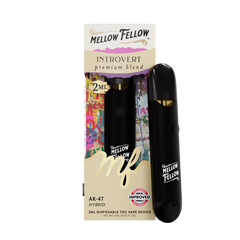
Mellow Fellow’s multi-cannabinoid lineup reflects this principle throughout its formulation approach. The Introvert Blend AK-47 2ml Disposable Vape combines CBN, CBG, Delta 8, THCp, THCB, and HHC for a full-spectrum approach to evening calm. The Dream Blend Phantom OG 2ml Vape Cartridge blends THCp, Delta 8, HHC, CBN, and CBD for deep nighttime support with layered effects.
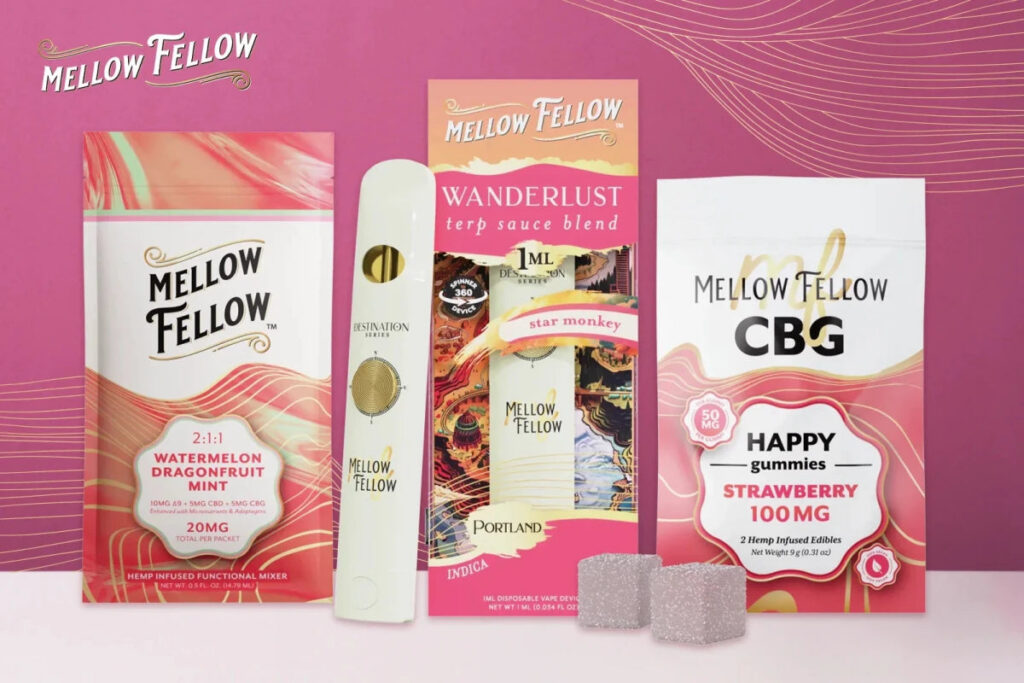
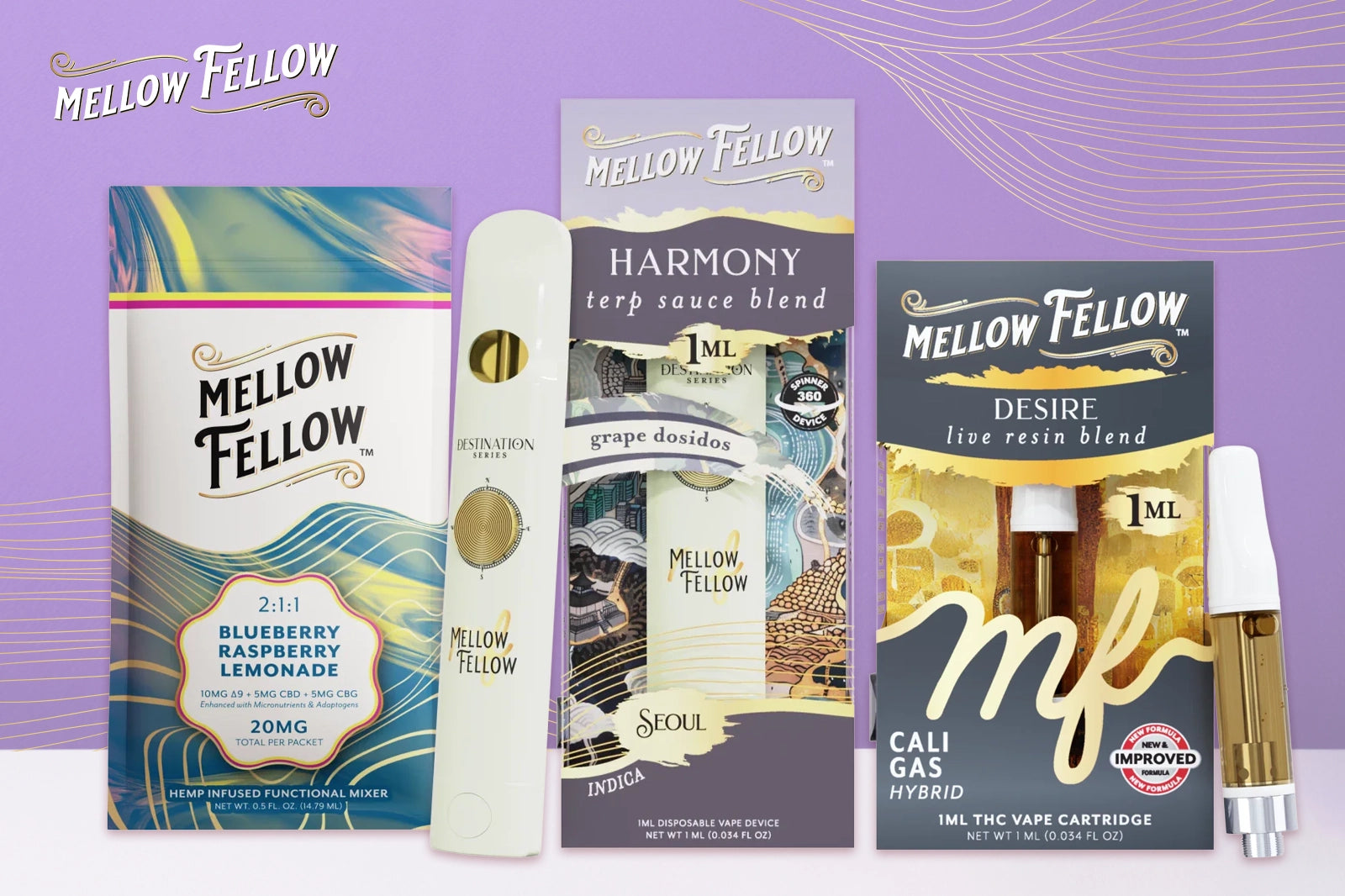
For a drinkable multi-cannabinoid option, the Delta 9 + CBD + CBG Mixers stack three cannabinoids in one serving and come in several flavors: Peach Mango Lime, Blueberry Raspberry Lemonade, and Watermelon Dragonfruit Mint.
CBD, CBG, CBN Dosage Differences
Dosage varies by product format, delivery method, individual tolerance, and intended effect. The ranges below reflect general starting points based on product labels and available research – not medical recommendations.
|
Cannabinoid |
Beginner Dose |
Moderate Dose |
Advanced Range |
Format Notes |
|
CBD |
10-25mg |
25-75mg |
75-150mg |
Wide range; consistent daily use produces more stable results |
|
CBG |
5-15mg |
15-40mg |
40-80mg |
Less established; start at the low end |
|
CBN |
2.5-5mg |
5-15mg |
15-30mg |
Potent per mg for sleep; take 30-45 min before bed |
Dosing Principles
A few principles that apply consistently across all three cannabinoids:
- Start at the lower end of the range and adjust after 3-5 days of consistent use, not after a single dose
- CBG can be taken with or without food; some users report stronger focus effects on an empty stomach
- CBN should be taken 30-45 minutes before sleep – its onset is slower than vapes or fast-dissolve formats
- CBD works best with consistent daily use rather than intermittent dosing; allow 1-2 weeks to assess baseline effects
- If structuring all three, CBG in the morning, CBD mid-day or as needed, and CBN in the evening is the most common approach
Onset Times and Duration by Format
Product format significantly affects how quickly effects are felt and how long they last. This matters especially for CBN, where timing relative to sleep is important.
|
Format |
Onset Time |
Duration |
Best Cannabinoid Match |
|
Vape / Disposable |
5-10 minutes |
1-3 hours |
CBG (daytime), CBD (as needed) |
|
Gummies / Edibles |
45-90 minutes |
4-8 hours |
CBN (sleep), CBD (daily support) |
|
Softgel Capsules |
60-120 minutes |
6-10 hours |
CBN (sleep), CBD (long-duration support) |
|
Tinctures / Mixers |
15-45 minutes (sublingual) |
3-6 hours |
CBD, CBG (flexible dosing) |
Matching Format to Goal
For fast-onset CBG effects, a vape format works well during the day. For CBN sleep support, gummies or capsules taken 30-45 minutes before bed give the compound enough time to metabolize before you’re ready to sleep. Tinctures and mixers sit in between – faster than capsules but with more duration than vapes.
Mellow Fellow Products Built Around CBD, CBG, and CBN
Mellow Fellow’s Wellness lineup is purpose-built around effect-first formulation. Here’s a practical breakdown of products organized by goal.
Daytime Focus and Mood
The Happy CBG Gummies (100mg, Strawberry) are the most direct CBG option in the lineup for uplifted daytime mood and focus. The Momentum Blend Wellness Gummies (1500mg, Tropic Medley) and Elevate Blend Gummies (80mg, Tropic Medley) are both strong options for daily balance with an uplifting orientation.
Nighttime and Sleep
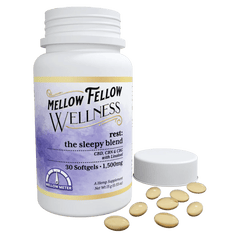
The Sleep CBN Gummies (100mg, Cherry) are the flagship sleep product – take them 30-45 minutes before bed. For extended overnight support in softgel format, the Rest Blend Softgel Capsules (1500mg, 30-count) provide slower onset and longer-lasting effects through the night.
Balanced Daily Support
The Illuminate Blend Wellness Gummies (600mg, Tropic Medley) are a solid mid-strength daily option. For users who prefer tinctures over gummies, the Mellow Fellow Wellness tinctures offer flexible sublingual dosing with faster onset than capsules.
Vape Formats for Faster Onset
The Harmony Blend Seoul Terp Sauce 1ml Disposable (Grape Dosido), Wanderlust Blend Portland Terp Sauce 1ml Disposable (Star Monkey Indica), and Desire Blend 1ml Vape Cartridge (Cali Gas) all deliver CBD in vape format for faster onset.
Multi-Cannabinoid Mixers
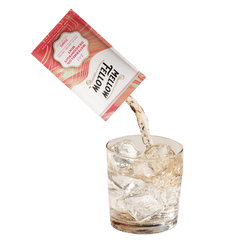
The Delta 9 + CBD + CBG Mixers combine three cannabinoids in a drinkable format with flexible serving control. Available in Peach Mango Lime, Blueberry Raspberry Lemonade, and Watermelon Dragonfruit Mint.
All Mellow Fellow products are third-party tested – lab results and COAs are available on the testing and lab results page. Browse the full wellness gummies collection or the complete CBD collection for everything available.
Which Cannabinoid Is Best for Your Goal?
Different cannabinoids excel at different things, so the best choice depends on whether your priority is better sleep, sharper focus, lower stress, daytime balance, or simple relaxation.
Best Cannabinoid for Sleep
CBN, ideally combined with CBD. CBN supports total sleep time and sleep architecture; CBD lowers the cortisol response that can interfere with sleep onset. Our best CBN products for sleep guide covers formats, dosing, and timing in detail.
Best Cannabinoid for Focus and Daytime Productivity
CBG. Anandamide-reuptake inhibition provides a clear, motivated lift without sedation or anxiety. Pairs well with low-dose CBD if background stress is also a factor.
Best Cannabinoid for Anxiety and Stress
CBD for general use; CBG for daytime anxiety specifically. CBN can help with nighttime anxiety that disrupts sleep, but it’s not suited as a daytime anti-anxiety compound given its sedative qualities.
Best Cannabinoid for General Daily Use
CBD on its own, or a multi-cannabinoid product that layers CBD with CBG for daytime hours and CBN for evenings. This structure covers the full daily arc.
Best Cannabinoid for Relaxation Without Sedation
CBD, or a CBD-dominant blend at moderate doses. CBN produces noticeable sedation even at mid-range doses, making it better reserved for intentional wind-down rather than casual daytime relaxation.
Which Cannabinoid Is Strongest?
Potency is format- and dose-dependent. CBN produces the most pronounced sedation per milligram at standard doses. CBG produces the most noticeable daytime mood lift. CBD’s effects are the broadest but generally the most subtle at lower doses.
Conclusion
CBD, CBG, and CBN each play a distinct role in a well-designed cannabinoid routine. CBD is the broadest and most research-backed option for daily mood support, stress reduction, and sleep quality – with an FDA-approved medication as the clearest signal of its clinical legitimacy. CBG is the daytime specialist, with the first human clinical trial now confirming measurable anxiety and stress reduction at low doses without intoxication.
CBN is the nighttime tool – the newest preclinical research has confirmed it increases both NREM and REM sleep in objective measurements, with human trials actively underway.
The best results come from matching each cannabinoid to its intended time of day, using a delivery format that fits your schedule, and considering multi-cannabinoid products that stack all three for the full entourage effect.
Browse the full Mellow Fellow CBD collection or visit the Mellow Fellow Wellness page for a curated look at daily wellness formats built around these three cannabinoids.
Sources
- FDA Regulation of Cannabis and Cannabis-Derived Products, Including Cannabidiol (CBD) | FDA
- Cannabidiol in Anxiety and Sleep: A Large Case Series – PubMed
- Cannabinoid CBG reduces anxiety and stress in first human clinical trial | WSU Insider | Washington State University
- Survey of Patients Employing Cannabigerol-Predominant Cannabis Preparations: Perceived Medical Effects, Adverse Events, and Withdrawal Symptoms – PubMed
- A sleepy cannabis constituent: cannabinol and its active metabolite influence sleep architecture in rats – PubMed
- Cannabinol (CBN; 30 and 300 mg) effects on sleep and next-day function in insomnia disorder (‘CUPID’ study): protocol for a randomised, double-blind, placebo-controlled, cross-over, three-arm, proof-of-concept trial – PubMed
- Taming THC: potential cannabis synergy and phytocannabinoid-terpenoid entourage effects – PMC
Leave a Reply