
What Makes Exotic Cannabis Flower “Exotic”: Quality, Genetics, and Craft
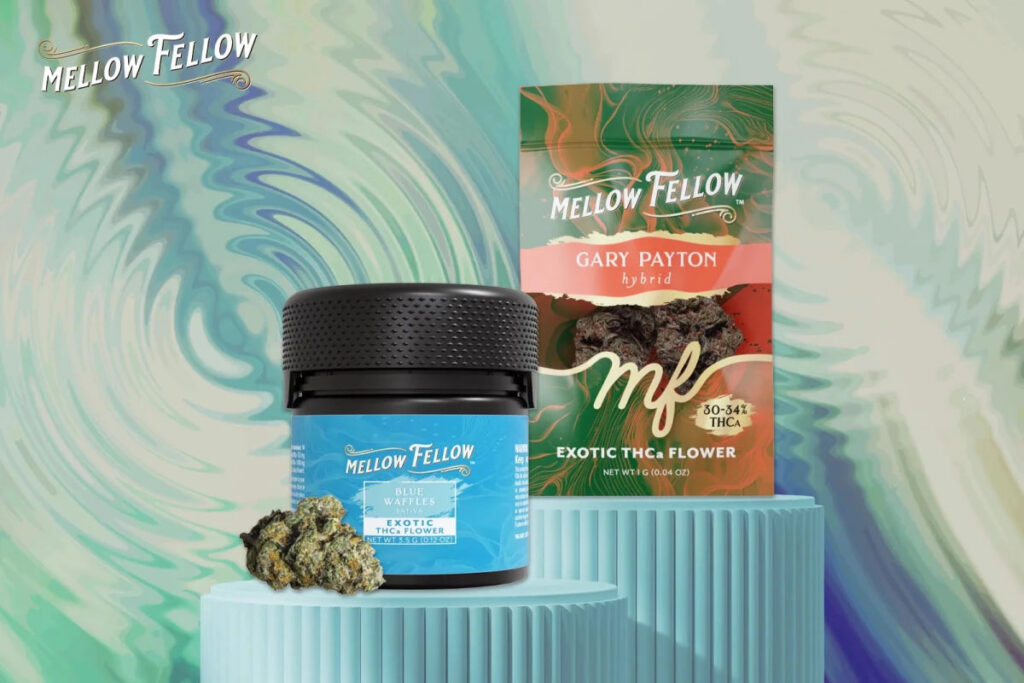
Quick Answer: Exotic cannabis flower earns its label through a combination of rare genetics, dense trichome coverage, complex terpene profiles, meticulous indoor cultivation, and small-batch finishing. It is not just a marketing term – there are measurable quality factors that separate exotic weed from standard commercial flower.
Most cannabis gets labeled “exotic.” Very little actually earns it.
Open a jar of true exotic flower and the difference is immediate. The aroma is louder, the structure is tighter, and the overall quality feels deliberate rather than mass-produced. That gap exists for a reason, and it is not just hype.
This guide breaks it down clearly. You will see what actually defines exotic cannabis, how to spot it before you buy, and why small details in genetics, growing, and curing make such a big difference.
Key Takeaways
- Exotic cannabis is defined by genetics, grow environment, terpene complexity, and post-harvest handling – not price alone.
- THCa content and cannabinoid profile matter, but aroma, structure, and cure quality are equally weighted markers.
- Indoor-grown, hand-trimmed, small-batch flower consistently outperforms mass-market alternatives on density and terpene retention.
- Studies on terpene variation in cannabis show large differences in terpene profiles even within the same cultivar grown under different conditions.
- Mellow Fellow’s exotic THCa flower lineup offers lab-tested, small-batch options for experienced consumers who want consistent results.
Exotic Cannabis: More Than a Label
The phrase “exotic weed” gets used loosely, but its original meaning in cannabis culture refers to flower that is difficult to source, grown with precision, and noticeably superior in structure, smell, and effect. The word exotic cannabis originally described imported strains unavailable domestically – today it describes craft, boutique cannabis produced under controlled conditions that most commercial grows skip.
Three markers consistently appear in high-quality exotic cannabis:
- Rare or Limited-Run Genetics – strains bred for specific terpene combinations or novel cannabinoid ratios, not just high THCa percentage
- Controlled Indoor Cultivation – dialed-in light spectrums, temperature, humidity, and CO₂ levels that outdoor or greenhouse grows cannot replicate consistently
- Small-Batch Finishing – slow dry, extended cure, and hand trimming that preserve trichome structure and volatile terpene content
According to research published in Frontiers in Plant Science, cannabinoid and terpene production in Cannabis is highly sensitive to environmental conditions – meaning the controlled grow environment is not optional for consistent exotic quality. It is the foundation.
How Indoor-Grown Exotic Weed Differs from Commercial Flower
Most mass-market flower is grown at scale outdoors or in large light-dep greenhouses. Yield per square foot is the priority. Exotic cannabis production inverts that model – quality per plant is the goal.
Indoor-grown exotic weed benefits from:
|
Factor |
Indoor Exotic |
Commercial Outdoor |
|
Light control |
Full spectrum LED/HID dialed per stage |
Seasonal sun, variable intensity |
|
Humidity control |
45–55% RH maintained |
Ambient, fluctuates with weather |
|
Canopy management |
Low plant count, trained individually |
Dense rows, automated pruning |
|
Harvest timing |
Hand-checked trichome maturity |
Schedule-based harvesting |
|
Post-harvest |
Slow dry (10–14 days), long cure |
Machine-dried, faster turnaround |
The slow dry and extended cure period is where many would-be exotic grows fall short. Research on cannabis post-harvest drying published in the journal Plants (MDPI) found that hot air drying at elevated temperatures can lead to significant terpene loss compared to ambient-temperature drying – confirming that how flower is handled after harvest directly affects what ends up in the jar.
For consumers trying Mellow Fellow’s THCa 3.5g Blue Waffles Exotic Flower or Granddaddy Kush (Hybrid), those terpene preservation steps translate directly into more complex aroma and a richer smoking experience. Learn more about how exotic THCa flower is made for the bigger picture.
Terpene-Rich Cannabis: The Real Potency Signal
High THCa percentage gets the most attention on labels, but terpene profile is increasingly understood as the more accurate predictor of effect quality.
The entourage effect – the synergistic relationship between cannabinoids and terpenes – is supported by peer-reviewed research from the British Journal of Pharmacology, which describes how terpenes modulate the activity of phytocannabinoids and may contribute meaningfully to the overall effects of cannabis preparations.
Strong-smelling cannabis strains are not just pleasant – the aroma intensity signals terpene density, which signals more complex and layered effects. Exotic cannabis strains bred for terpene expression often hit differently at the same THCa percentage as a plain, high-testing commercial bud.
What to look for in terpene-rich cannabis:
- Myrcene – earthy, musky, the most common terpene in cannabis; associated with body relaxation
- Limonene – citrus-forward, linked to uplifted mood
- Caryophyllene – peppery, the only terpene known to directly bind to a cannabinoid receptor (CB2), documented in research from PNAS (Gertsch et al., 2008)
- Terpinolene – floral and piney, common in sativa-leaning exotic strains
- Linalool – floral, associated with calming effects
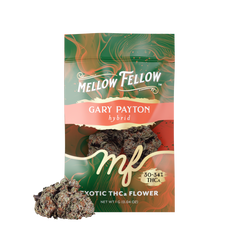
Gary Payton is a perfect example of this terpene complexity – a well-documented boutique strain known for a sharp gas-and-citrus terpene combination that experienced consumers recognize on first pull. These terpenes and many more are found in Mellow Fellow’s pre-rolls.
How to Identify Exotic Weed: Visual and Sensory Markers
Knowing how to tell if weed is exotic or not comes down to four observable criteria before you ever light it.
|
Quality Marker |
Exotic Flower |
Mid-Grade or Commercial |
|
Trichome coverage |
Dense, milky or amber across the whole bud |
Sparse, dull, or concentrated only at tips |
|
Bud structure |
Tight, well-formed, intact calyxes |
Airy, loose, visible stem-to-flower ratio |
|
Color range |
Deep greens, purples, vivid orange pistils |
Uniform green, browning pistils |
|
Aroma |
Strong, distinct, identifiable terpene character |
Faint, hay-like, or generic |
Machine trimming removes trichomes from the outer layer of buds – this is a visible quality difference. Hand-trimmed cannabis preserves that outer trichome coating, which is part of what makes exotic THCa flower jars from Mellow Fellow visually distinct from standard commercial stock.
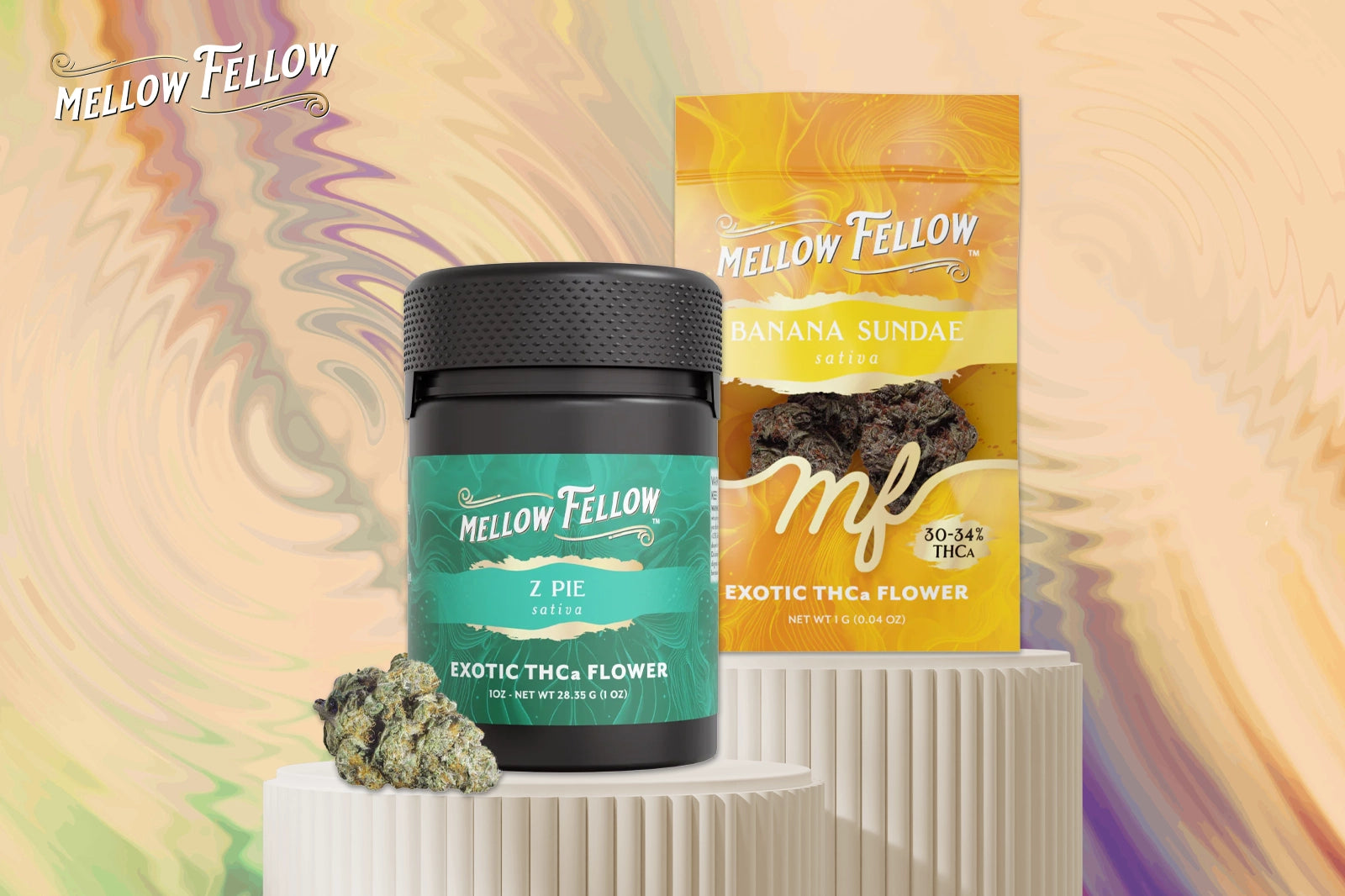
Strain-specific examples like Willy Wonka and Z Pie show consistent bud density and color expression throughout – a sign of even canopy management during the grow, not just cherry-picked display nugs.
Small-Batch vs. Commercial Cannabis: Why It Matters for Quality
Small-batch cannabis allows growers to address each plant individually. Nutrient schedules, stress training, and harvest timing can be adjusted plant by plant rather than applied uniformly to hundreds of plants on a commercial schedule.
Research from Plant Physiology (Booth & Bohlmann, 2020) found large terpene profile variation within and between plants grown from the same seed sources – which means small-batch grows with individual attention produce more consistent, higher-ceiling results by reducing that natural variability through environmental control.
The Banana Sundae 1g sachet is a practical entry point for consumers comparing small-batch exotic with what they usually buy – the 1g format keeps the cost of comparison low.
For those who want a full smoking setup, THCa 3.5g Exotic Flower + One Hitter bundles in strains like Permanent Marker (Hybrid), Triple Cheese (Indica), and Space Kush (Sativa) pair cured small-batch flower with a purpose-built one hitter – a practical way to taste terpene complexity without waste.
Is Exotic Weed Worth It? Pricing and Value Breakdown
Exotic cannabis costs more because the inputs cost more: lower plant density per sq ft, longer veg and flower cycles, hand labor at harvest, slower post-harvest processing, and genetics licensing or breeding costs. According to wholesale pricing data from Cannabis Benchmarks, the U.S. Indoor Cannabis Price Index averaged roughly $1,378 per pound in Q1 2024 – while outdoor flower averaged $418 per pound over the same period, a difference of more than 3x.
Whether that premium is worth it depends on what the consumer values. For occasional use focused on specific effects, the terpene and cannabinoid precision of exotic cannabis delivers a more predictable experience. For daily high-volume consumption, the cost math shifts.
Browse the full exotic THCa flower collection at Mellow Fellow for lab-tested options with batch-specific data so you can make that call with real information rather than label claims.
Exotic Cannabis Flower at Mellow Fellow
Exotic cannabis is not about hype or price tags. It comes down to how the plant is grown, handled, and preserved at every stage. Genetics set the foundation, but cultivation, terpene retention, and proper curing are what separate standout flower from average bud.
Once you know what to look for, the difference becomes obvious. Strong aroma, dense structure, and a clean finish are not random. They reflect controlled, intentional production.
Browse the full Mellow Fellow exotic THCa flower collection – 1g sachets, 3.5g jars, and 1oz options with lab results available for every batch.
Frequently Asked Questions
What Is the Difference Between Exotic and Top Shelf Cannabis?
Top shelf is a dispensary grade category – it refers to the highest tier of flower a given store carries. Exotic cannabis is a production and genetics standard. Top shelf can be applied to well-grown commercial flower; exotic implies a narrower production model, rarer genetics, and typically a more complex terpene profile than even top-tier mass-market cannabis.
How Is Cannabis Flower Graded for Quality?
Cannabis grading looks at visual structure (bud density, trichome coverage, trim quality), aroma intensity and complexity, moisture content (ideally 9–12%), and cannabinoid/terpene lab results. Some markets use formal grading scales (A through AAA or single to quad), but these are not standardized federally – lab-backed COAs are the most reliable quality indicator.
Why Is Exotic Weed More Expensive?
Higher production cost per gram drives the price. Indoor grows with lower plant density, individual plant management, slow dry/cure infrastructure, and hand trimming require more labor and time per unit of output than commercial operations. Genetics licensing for rare or proprietary strains adds cost as well.
How Do I Tell If Cannabis Is Exotic or Not?
Look for dense, intact bud structure with visible trichome coverage across the surface (not just the tips). The smell should be strong and identifiable – not generic or hay-like. Hand-trimmed flower shows clean edges without a machine-shaved look. Lab results showing a diverse terpene panel (not just one dominant compound) support an exotic classification.
Does Exotic Cannabis Always Mean Higher THCa?
Not necessarily. Some exotic strains are bred for terpene complexity or specific minor cannabinoid ratios rather than maximum THCa. A 22% THCa exotic with a rich and diverse terpene panel will often outperform a 30% THCa strain with minimal terpene expression in terms of perceived effect quality and experience.
What Are the Best Exotic Cannabis Strains for Experienced Users?
Experienced consumers often gravitate toward strains with high caryophyllene or terpinolene content for distinct character, or strains with complex layered terpene profiles (gas + fruit, or earthy + citrus). Permanent Marker, Gary Payton, and Z Pie are recognized boutique cultivars with well-documented terpene signatures. Check Mellow Fellow’s current exotic flower lineup for available batch options.
Is Indoor-Grown Cannabis Always Better Than Outdoor?
For consistent exotic quality, indoor controlled environments outperform outdoor grows on terpene retention and structural consistency. Research comparing indoor vs. outdoor cannabis from the same genetically identical plants found significant variation in cannabinoid and terpene profiles between environments – confirming that grow conditions shape the final product even when genetics are held constant.
Sources
- Terpene Synthases and Terpene Variation in Cannabis sativa – PMC
- Wholesale Cannabis Prices for Q1 2024 – Cannabis Benchmarks®
- Beta-caryophyllene is a dietary cannabinoid | PNAS
- Comparison of the Cannabinoid and Terpene Profiles in Commercial Cannabis from Natural and Artificial Cultivation – PMC
- Taming THC: potential cannabis synergy and phytocannabinoid‐terpenoid entourage effects – Russo – 2011 – British Journal of Pharmacology – Wiley Online Library
- Postharvest Drying and Curing Affect Cannabinoid Contents and Microbial Levels in Industrial Hemp (Cannabis sativa L.) | MDPI
- Frontiers | Cannabinoids and Terpenes: How Production of Photo-Protectants Can Be Manipulated to Enhance Cannabis sativa L. Phytochemistry
Leave a Reply