How Is THCa Flower Made: Cultivation, Curing, and Compliance Explained
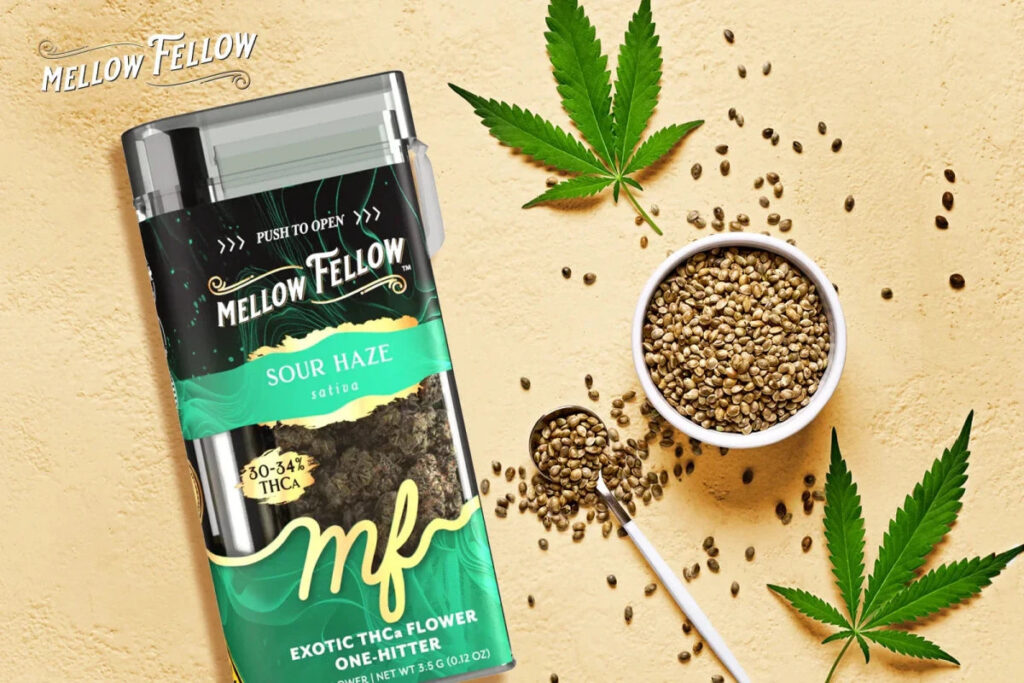
Quick Answer: THCa flower is real, naturally grown cannabis cultivated to produce high levels of tetrahydrocannabinolic acid (THCa) while keeping Delta 9 THC below the 0.3% federal threshold. It is not sprayed or infused. The process runs from seed selection through harvest, drying, curing, and third-party lab testing.
THCa flower is often misunderstood, with questions around whether it’s sprayed, infused, or even real cannabis. The reality is much simpler. It’s a naturally grown product shaped by genetics, cultivation methods, and precise post-harvest handling.
This guide walks through exactly how THCa flower is made, from seed selection to curing and lab testing, so you know what you’re actually buying.
Key Takeaways
- THCa flower is natural cannabis – grown, not sprayed or artificially infused with cannabinoids.
- THCa is the raw, acidic precursor to THC; heat converts it through decarboxylation.
- Federal compliance depends on keeping Delta 9 THC below 0.3% at harvest, not THCa content.
- Indoor cultivation typically produces higher cannabinoid density and terpene preservation than outdoor grows.
- Quality THCa flower should always come with a certificate of analysis (COA) from an accredited lab.
What Is THCa Flower?
THCa (tetrahydrocannabinolic acid) is the non-intoxicating acidic form of THC that naturally forms in the cannabis plant during growth. Raw, unheated THCa flower does not produce a high on its own. When the flower is smoked, vaped, or otherwise heated, THCa undergoes decarboxylation – losing a carboxyl group – and converts to Delta 9 THC, which is intoxicating.
THCa flower is therefore federally compliant at the point of harvest because its Delta 9 THC content sits below 0.3% by dry weight under the 2018 Farm Bill, as administered by the USDA. That distinction matters for production, labeling, and shipping.
THCa flower is not a manufactured product. There are no sprays, no infusions, no synthetic processes involved. It is real cannabis cultivated with precision.
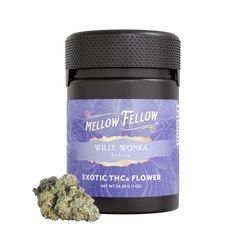
Mellow Fellow’s Exotic THCa Flower 1oz Jars and Exotic THCa Flower 1g Sachets reflect this standard – whole flower grown and lab-tested, not processed material. Browse the full range at the THCa Flower collection.
Genetics: Where the THCa Flower Production Process Starts
Everything in THCa flower cultivation begins with strain selection. Cultivators source genetics bred to express high THCa concentrations naturally while maintaining the cannabinoid ratios that keep the plant hemp-compliant at harvest.
These are not engineered novelties. They are Cannabis sativa plants – the same species used across legal cannabis markets – selected for their cannabinoid expression profiles. The legal distinction under federal law comes from lab results at harvest, not botanical classification, as confirmed by USDA Domestic Hemp Production Program guidance.
Strain choice also determines terpene profile, which shapes aroma, flavor, and the entourage effect consumers experience. Cultivators select for both cannabinoid output and terpene preservation from the start.
Indoor vs Outdoor THCa Flower Cultivation
How hemp is grown for THCa varies by facility, but the two primary environments differ meaningfully in output quality.
|
Factor |
Indoor Cultivation |
Outdoor Cultivation |
|
Cannabinoid density |
Higher – controlled light cycles |
Moderate – dependent on climate |
|
Terpene preservation |
Better – temperature-managed |
Variable – heat and UV exposure |
|
Compliance risk |
Lower – stable conditions |
Higher – weather events affect Delta 9 levels |
|
Cost per gram |
Higher |
Lower |
|
Harvest cycles per year |
Multiple |
One (seasonal) |
A study published in Medical Cannabis and Cannabinoids confirmed that light spectrum directly influences cannabinoid accumulation in cannabis flower – with LED and HPS treatments producing measurable differences in THC, CBD, and CBG concentrations. Indoor grows allow cultivators to manage these variables precisely.
Outdoor and greenhouse cultivation can still produce compliant, quality THCa flower, but requires tighter monitoring as harvest approaches to ensure Delta 9 levels remain within legal bounds.
The THCa Flower Growing Process: From Vegetative to Harvest
Once genetics are in the ground, the growing process follows the same fundamental stages as any cannabis cultivation:
- Vegetative Stage: Plants build mass and root structure under longer light cycles (18+ hours indoors). No significant cannabinoid production occurs yet.
- Flowering Stage: Light cycles shift to 12/12 indoors, or natural seasonal shortening triggers flowering outdoors. Trichome production begins. THCa accumulates in glandular trichomes on the flower surface.
- Late Flower / Pre-Harvest Window: Cannabinoid ratios shift as the plant matures. Growers test frequently because Delta 9 THC naturally rises as THCa degrades slightly over time. Timing the harvest correctly is critical for compliance.
- Harvest: Plants are cut when THCa content is maximized and Delta 9 THC remains below threshold. Most cultivators harvest slightly before peak ripeness to maintain compliance headroom.
Research published in PubMed confirms that THCa synthase – the enzyme responsible for THCa production – operates within the secretory cells of glandular trichomes during the flowering phase. This is where all the cannabinoid activity happens at the plant level.
A comprehensive review in the Journal of Cannabis Research covers the full cannabinoid biosynthesis pathway, from CBGa formation through to THCa synthase activity.
Drying and Curing THCa Flower: Preserving What the Plant Built
Post-harvest handling is where many producers lose quality. The THCa flower curing process requires patience and environmental control.
Drying typically takes 10-14 days in a climate-controlled room with low humidity (45-55% RH) and moderate temperature (60-70°F). Too fast and the flower tastes harsh; too slow and mold risk climbs.
Curing follows: dried flower moves into sealed containers (glass jars are standard) for 2-6 weeks. This period allows chlorophyll to break down further, terpenes to stabilize, and moisture to equalize through the buds. A slow, proper cure is what separates sharp, aromatic flower from flat, harsh material.
Preserving THCa in flower during this phase also means avoiding heat. Excessive warmth triggers decarboxylation – the same conversion that happens when you smoke – which would erode THCa content and push Delta 9 levels upward.
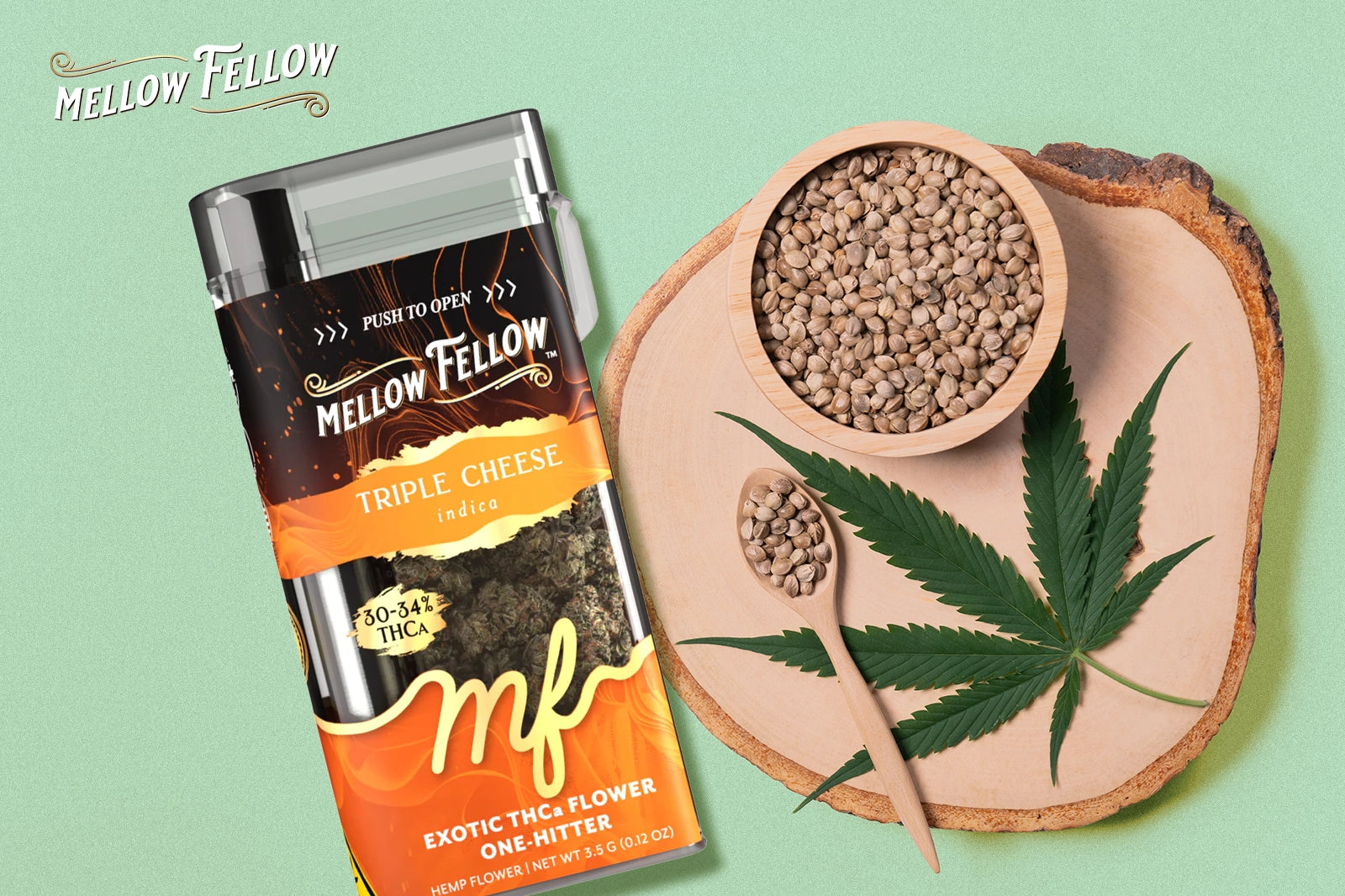
For consumers who want to experience what a proper cure produces, the THCa 3.5g Exotic Flower – Straight A’s Haze (Sativa) and THCa 3.5g Exotic Flower – Granddaddy Kush (Hybrid) are solid reference points for well-cured THCa flower in a jar format.
For a jar paired with a built-in one-hitter, the same format is available in Zookies (Hybrid), Triple Cheese (Indica), Space Kush (Sativa), Sour Haze (Sativa), and Permanent Marker (Hybrid) – each a self-contained option for tasting cured flower without additional gear.
Lab Testing THCa Flower: COAs and Compliance
No THCa flower should change hands without a current certificate of analysis. Lab testing confirms:
|
What Is Tested |
Why It Matters |
|
Total THCa content (%) |
Indicates potency and consumer experience when heated |
|
Delta 9 THC (%) |
Must stay below 0.3% for federal hemp compliance |
|
Residual solvents |
Confirms no post-harvest chemical processing |
|
Heavy metals |
Safety for end consumer |
|
Pesticides |
Regulatory and consumer safety requirement |
|
Microbials |
Mold and pathogen screening |
The FDA’s regulatory overview of cannabis and cannabis-derived products confirms that hemp is defined by the 0.3% Delta 9 threshold – which is measured at harvest as a percentage of dry weight, not THCa content. This is why high-THCa flower can still be federally compliant before any heat is applied.
Always verify a COA covers the full testing panel above. Potency-only results are not sufficient. Mellow Fellow publishes third-party lab results for all products – you can review testing documentation at the Testing page.
Is THCa Flower Sprayed or Infused?
Legitimate THCa flower is never sprayed. This question comes up because some producers have coated low-cannabinoid hemp with distillate or isolate to artificially inflate potency – a practice that compromises both safety and compliance.
Real THCa flower gets its potency from genetics and cultivation, not post-harvest treatment. A complete COA will show residual solvent results near zero on genuine whole flower. If a COA is missing solvent testing, or THCa percentages seem implausibly high on visually unremarkable material, those are both flags to look for.
For format flexibility, Mellow Fellow carries THCa flower across several formats:
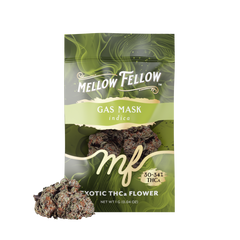
- Exotic THCa Flower 1g Sachets – Gas Mask (Indica) – single-gram portions for trying a new strain
- Exotic THCa Flower 1g Sachets – Pink Runtz (Hybrid) – sweet, candy-forward terpene profile
- THCa 1g Exotic Flower Sachets Sampler 6 Pack – six different strains for side-by-side comparison
Ready-to-smoke options include the THCa 1g Preroll – Luxury Leaf (Hybrid), the THCa Prerolls 2pc 2g Private Reserve Exotic – Nightshade (Indica), and the THCa 2g Private Reserve Exotic Prerolls Sampler 6 Pack.
Browse the full range at the prerolls collection.
How to Store THCa Flower Properly
Once you have quality flower, storage determines how long it stays that way. The same factors that protect THCa during curing apply at home:
- Keep flower in airtight glass containers away from light
- Store at 60-70°F and 55-65% relative humidity
- Avoid plastic bags – static pulls trichomes off the flower
- Do not freeze flower unless storing for many months; freeze-thaw cycles damage trichome heads
Proper storage maintains terpene profile and prevents THCa degradation over time. NIDA’s cannabis research overview provides broader context on how THC and related cannabinoids interact with human biology – useful background for understanding why potency preservation matters.
For deeper context on how cannabinoids interact, the entourage effect guide and THCa facts article are useful starting points on the Mellow Fellow blog. The THCa vs THCP comparison, THCa vs Delta-10 breakdown, and THCa vs THCB guide put THCa flower in context with the broader cannabinoid lineup.
Shop the full THCa flower range at the all products collection or check shipping restrictions before ordering.
Getting the Best THCa Flower at Mellow Fellow
At its core, THCa flower is real cannabis grown with precision, not altered after the fact. From genetics and controlled cultivation to careful curing and verified lab testing, every step plays a role in quality, potency, and compliance.
If you want THCa flower that’s grown properly and backed by full-panel lab results, explore Mellow Fellow’s collection and choose a strain that fits your preferred experience.
Sources
- Cannabis (Marijuana) | National Institute on Drug Abuse (NIDA)
- What You Need to Know (And What We’re Working to Find Out) About Products Containing Cannabis or Cannabis-derived Compounds, Including CBD | FDA
- The biosynthesis of the cannabinoids – PMC
- Tetrahydrocannabinolic acid synthase, the enzyme controlling marijuana psychoactivity, is secreted into the storage cavity of the glandular trichomes – PubMed
- The Effect of Light Spectrum on the Morphology and Cannabinoid Content of Cannabis sativa L – PMC
- Establishment of a Domestic Hemp Production Program | Agricultural Marketing Service
- Hemp Production (website updates in progress) | Agricultural Marketing Service
Leave a Reply