Is THCa Flower Safe to Smoke? Safety Profile and Health Risks
Quick Answer: THCa flower is generally considered safe to smoke for healthy adults when sourced from tested, contaminant-free suppliers. The primary safety concerns involve product purity, pesticide residues, and combustion byproducts rather than THCa itself. When smoked, THCa converts to THC through heat, producing effects similar to traditional cannabis.
THCa flower has entered the legal cannabis market as a hemp-derived product that delivers THC effects when smoked. Buyers want to know if this format carries unique risks compared to traditional cannabis flower, and whether the “raw” cannabinoid acid form poses safety concerns. This guide examines THCa flower safety through product purity, combustion science, and health research to help you make informed choices.
Key Takeaways
- THCa converts to THC at temperatures above 220°F during combustion.
- Product testing for pesticides, heavy metals, and microbials determines actual safety.
- Combustion creates respiratory irritants regardless of cannabinoid type.
- Research shows cannabis smoking produces fewer carcinogens than tobacco but still affects lung health.
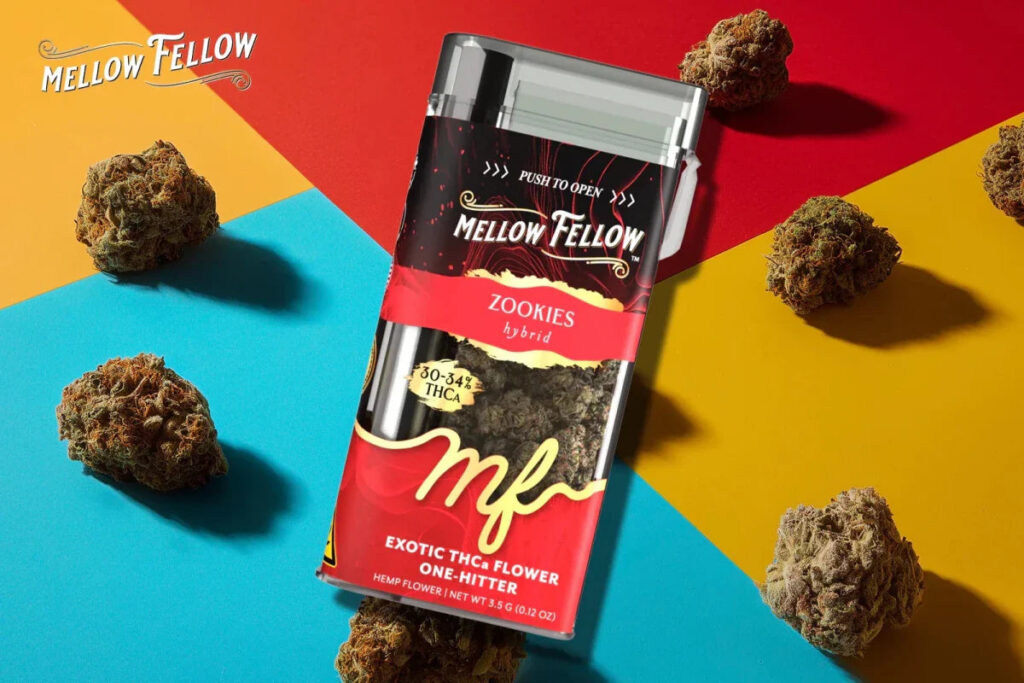
- Lab-tested flower from Mellow Fellow includes full panel screening for contaminants.
THCa Flower Safety Profile
THCa (tetrahydrocannabinolic acid) is the non-intoxicating precursor to THC found in raw cannabis plants. When you smoke THCa flower, heat triggers decarboxylation, converting THCa into THC at temperatures between 220°F and 250°F. This conversion happens instantly during combustion, meaning the safety profile of smoking THCa flower closely mirrors that of traditional THC-rich cannabis.
The cannabinoid acid safety profile of THCa itself is well-established. Studies on raw cannabis consumption show THCa has low toxicity and no documented cases of fatal overdose. The real safety questions arise from combustion byproducts, product purity, and individual health factors rather than the THCa molecule itself.
When evaluating is THCa flower safe, focus on three core areas: source quality, testing standards, and your personal health baseline.
A clean, tested product from a transparent supplier addresses most safety concerns that buyers face in the current market. Many users wonder whether THCa produces psychoactive effects and how the experience compares to traditional cannabis.

THCa Decarboxylation and Combustion Byproducts
Smoking any plant material creates combustion byproducts including tar, carbon monoxide, and particulate matter. Research on cannabis smoke composition shows the combustion temperature determines which compounds form and in what concentrations.
THCa decarboxylation temperature occurs around 220°F to 250°F, well below the higher temperatures that create more harmful compounds.
|
Combustion Temperature |
THCa Conversion |
Byproduct Formation |
|
220°F – 250°F |
Complete decarboxylation |
Minimal tar production |
|
350°F – 450°F |
Full conversion complete |
Moderate particulate matter |
|
Above 450°F |
Degradation begins |
Increased irritants and benzene |
The THCa conversion when smoked is nearly instantaneous, meaning the compound you inhale is primarily THC rather than THCa. This matters for safety assessment because you’re evaluating THC inhalation risks, not unique THCa smoking health effects.
The chemical transformation happens before the smoke reaches your lungs, making the respiratory exposure profile similar between formats. For those comparing options, our guide on THCa versus THCp breaks down the differences between cannabinoids.
Testing Standards and THCa Flower Purity
The biggest variable in THCa flower safety comes down to what’s on the flower beyond cannabinoids. Contaminant-free THCa flower requires rigorous testing for pesticides, heavy metals, residual solvents, and microbial contaminants. These factors determine whether smoking THCa flower is safe for a given product.
Key testing requirements for safe THCa flower:
- Full pesticide panel (typically 50-70 compounds screened)
- Heavy metals analysis (lead, arsenic, cadmium, mercury)
- Microbial testing (E. coli, salmonella, aspergillus, total yeast/mold)
- Residual solvent testing (if extraction or processing involved)
- Mycotoxin screening (aflatoxins, ochratoxin A).
Our tested THCa flower collection undergoes third-party screening for all major contaminant categories. Each batch comes with a scannable QR code linking to full lab results, allowing you to verify purity before consumption – and don’t forget, THCa itself is also reported to have various benefits.

THCa Flower Health Risks and Respiratory Effects
Is smoking THCa flower safe for your lungs? Combustion smoke contains irritants that affect respiratory health over time. Research comparing cannabis and tobacco smoke found cannabis produces lower levels of certain carcinogens, but chronic exposure still causes bronchial irritation and increased cough.
THCa flower respiratory effects mirror those of traditional cannabis smoking. Regular users may experience:
- Chronic bronchitis symptoms (persistent cough, phlegm production)
- Temporary lung function changes after smoking sessions
- Increased respiratory infections in some heavy users
- Airway inflammation and irritation
A study on long-term cannabis smoking and lung health showed mixed results. Light to moderate use (fewer than 20 smoking days per month) showed minimal lasting lung damage in most participants, while daily heavy use increased risk of chronic bronchitis symptoms.
Lung health and THCa flower use depends heavily on frequency and individual factors. People with asthma, COPD, or other respiratory conditions should consult healthcare providers before smoking any substance. Alternative consumption methods like vaporization reduce but don’t eliminate respiratory exposure.
The risks of smoking THCa flower are primarily tied to combustion rather than the cannabinoid itself. If you’re concerned about lung health, consider edibles as an alternative consumption method that avoids respiratory exposure entirely.
Product Quality Indicators for THCa Flower
Clean smoking THCa products share common quality markers. When evaluating organic THCa flower smoking options, check for:
- Visible Trichomes: Intact crystalline structures indicate proper handling
- Appropriate Moisture: Not too dry (harsh smoke) or damp (mold risk)
- Clean Aroma: Fresh, terpene-rich smell without musty or chemical notes
- No Visible Contaminants: Check for mold, pests, or foreign material
- Recent Harvest Date: Fresher flower retains more terpenes and cannabinoids
THCa flower quality assurance starts with cultivation practices. Indoor-grown flower offers more environmental control, while outdoor grows can produce richer terpene profiles when conditions are ideal. Both can be safe with proper testing and curing.
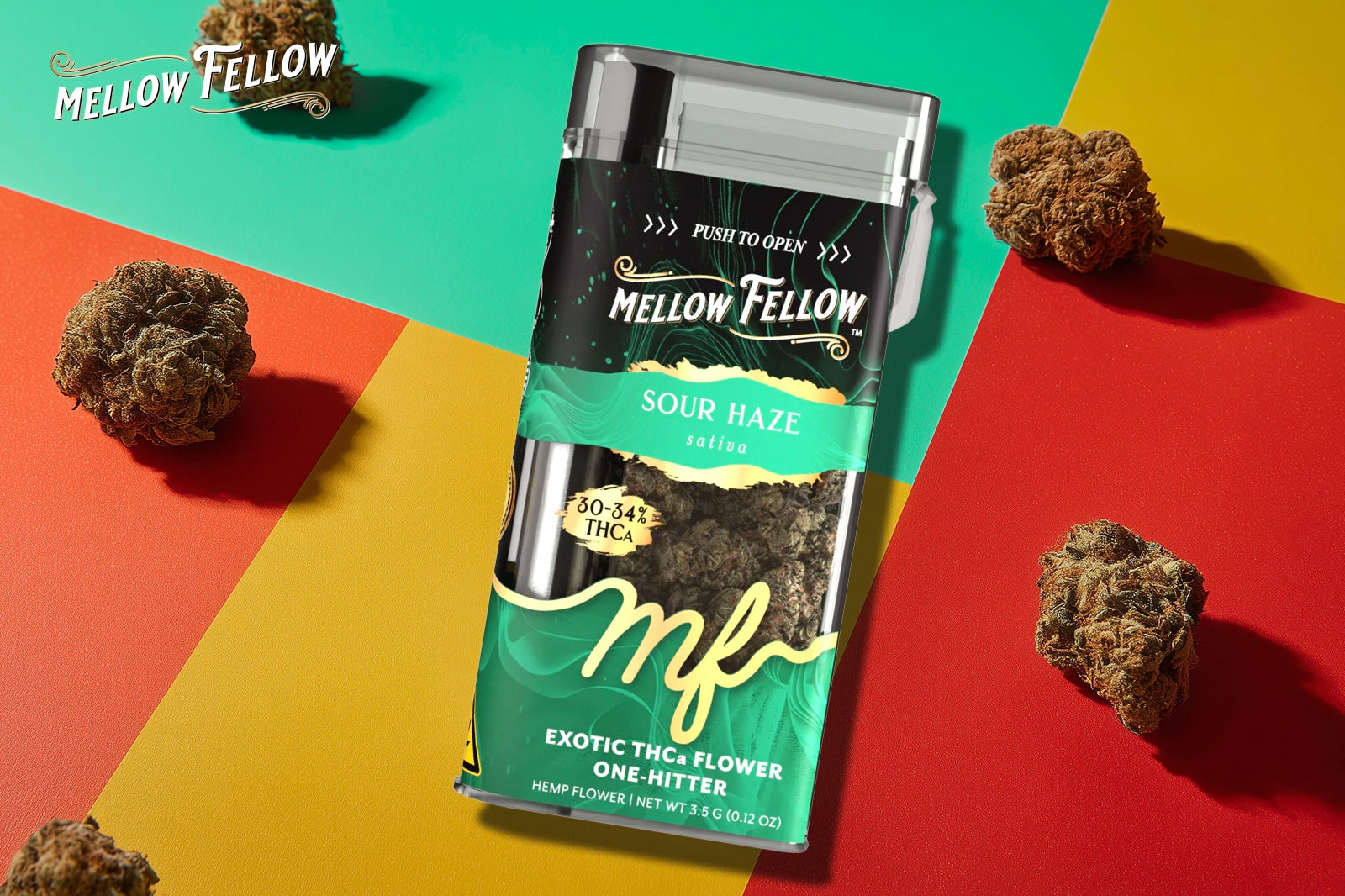
Our Triple Cheese Indica and Space Kush Sativa strains represent different terpene profiles, both cultivated with attention to purity and potency. Testing results accompany each product for full transparency.
Sourcing Quality THCa Flower From Mellow Fellow
In the end, THCa flower safety comes down to the same factors that shape any cannabis experience: clean sourcing, verified lab testing, responsible frequency, and awareness of respiratory exposure from combustion.
The THCa molecule itself shows low toxicity, but smoke inhalation and product contaminants remain the real risks to consider. Choosing third-party tested flower and moderating how often you smoke can significantly reduce potential harm while preserving the effects you’re looking for.
Browse our tested THCa flower collection to find quality-assured options for safe consumption.
Frequently Asked Questions
Is It Safe to Smoke THCa Flower Daily?
Daily THCa flower smoking increases respiratory exposure to combustion byproducts. While the cannabinoid itself shows low toxicity, regular combustion smoke can irritate airways and contribute to chronic bronchitis symptoms. Light to moderate use (a few times per week) appears safer for most healthy adults based on current research. If you smoke daily, consider rotating with non-combustion methods or taking tolerance breaks to reduce respiratory strain.
Can You Smoke THCa Flower Safely If You Have Asthma?
People with asthma or other respiratory conditions face higher risks from any combustion smoke. THCa flower is not safer than regular cannabis for asthmatic individuals. Consult your healthcare provider before smoking any substance if you have breathing issues. Vaporization at lower temperatures or edible consumption methods provide alternatives that avoid direct lung irritation.
What Are the Risks of Smoking THCa Flower Compared to Vaping?
Smoking creates combustion byproducts including tar, carbon monoxide, and particulates that vaporization avoids. Vaping THCa flower at controlled temperatures (typically 350°F to 400°F) reduces respiratory irritant exposure while still converting THCa to THC. However, vaping isn’t risk-free and can still cause airway irritation with heavy use. For the lowest respiratory risk, edibles or tinctures eliminate inhalation exposure entirely.
Does THCa Flower Toxicity Differ from THC Flower?
No meaningful toxicity difference exists between THCa and THC flower when smoked. THCa converts to THC during combustion, making the compounds functionally identical once inhaled. Any toxicity concerns relate to contaminants (pesticides, heavy metals, mold) rather than the cannabinoid itself. Proper testing eliminates these risks regardless of starting cannabinoid form.
How Safe Is THCa Flower Compared to THC Edibles?
THCa flower smoked and THC edibles represent different consumption routes with distinct safety profiles. Smoking exposes lungs to irritants but offers rapid onset and easy dose titration. Edibles avoid respiratory risks but carry higher risk of overconsumption due to delayed onset (45 to 90 minutes) and longer duration (4 to 8 hours). Neither method is inherently safer; the choice depends on your health status and consumption goals.
Is THCa Flower Regulated for Safety?
THCa flower regulation varies by state and supplier. Hemp-derived THCa flower falls into a regulatory gap, with less consistent oversight than state-licensed THC cannabis. Federal hemp rules require less than 0.3% Delta-9 THC but don’t mandate comprehensive safety testing. Reputable suppliers voluntarily adopt testing standards similar to licensed cannabis markets, screening for contaminants and verifying potency. Always verify third-party lab results before purchasing.
What Are THCa Flower Side Effects?
THCa flower side effects mirror those of traditional cannabis once smoked: dry mouth, red eyes, increased appetite, short-term memory impairment, and altered perception. Higher doses can cause anxiety, paranoia, or rapid heart rate in sensitive individuals. Respiratory side effects from combustion include cough, phlegm production, and airway irritation with regular use. Start with small amounts to assess individual tolerance.
Can Smoking THCa Flower Cause Long-Term Health Problems?
Long-term smoking of any plant material increases risk of chronic bronchitis and respiratory symptoms. Current evidence suggests moderate cannabis smoking (fewer than 20 days monthly) shows minimal lasting lung damage in most healthy adults, but daily heavy use raises risk of chronic respiratory issues. THCa flower carries similar long-term risks to traditional cannabis when smoked regularly. Rotating consumption methods or choosing non-combustion options reduces cumulative respiratory exposure.
Is Organic THCa Flower Smoking Safer?
Organic cultivation practices reduce pesticide exposure but don’t eliminate all safety concerns. Organic THCa flower still requires testing for heavy metals, microbials, and mycotoxins to confirm safety. While organic methods generally produce cleaner products, certification alone doesn’t guarantee safety without comprehensive lab screening. Look for both organic certification and full testing panels for the safest options.
What Should I Know About Smoking THCa for the First Time?
First-time THCa flower users should start with one or two small inhalations and wait 10 to 15 minutes to assess effects before consuming more. Choose tested products from reputable suppliers with clear lab results. Smoke in a comfortable, safe environment with access to water and snacks. Expect effects similar to traditional cannabis: relaxation, altered perception, and possible anxiety or paranoia at higher doses. If you experience severe anxiety or discomfort, remember effects are temporary and will pass.
Sources
- THCa vs. Other Cannabinoids: A Guide to Key Differences
- Can You Pass the Acid Test? Critical Review and Novel Therapeutic Perspectives of Δ9-Tetrahydrocannabinolic Acid A – PMC
- Tetrahydrocannabinolic acid is a potent PPARγ agonist with neuroprotective activity – PMC
- Effects of Marijuana Smoking on the Lung | Annals of the American Thoracic Society
- Comprehensive characterization of mainstream marijuana and tobacco smoke | Scientific Reports
- Effect of cannabis smoking on lung function and respiratory symptoms: a structured literature review – PMC
- Cannabis and tobacco smoke are not equally carcinogenic – PMC
- Marijuana and Lung Health | American Lung Association
Leave a Reply