Is THCa Flower Sprayed? How to Identify Quality THCa Flower
Quick Answer: Some THCa flower gets sprayed with isolates or synthetic cannabinoids to boost potency claims, but quality flower grows naturally through trichome development. Check for even crystal coverage, strong natural aroma, balanced lab results, and proper structure to spot the difference.
The THCa market includes both authentic flower grown from cannabis genetics and lower-quality products sprayed with isolates or synthetic compounds. Some producers spray hemp with THCa isolate dissolved in solvents to create artificially high potency numbers without growing premium genetics.
This guide shows you how to spot sprayed flower through visual inspection, smell tests, and lab analysis. You’ll see clear differences between natural trichome development and surface application.
Key Takeaways
- Some THCa flower grows naturally in trichomes, while sprayed products use isolates or synthetic cannabinoids to inflate potency numbers and reduce production costs.
- Authentic flower shows even crystal structure, strong natural aroma, balanced cannabinoid and terpene profiles, and realistic THCa levels around 18% to 30%.
- Sprayed flower often has powdery residue, crystals that rub off, weak or chemical smells, missing minor cannabinoids, and higher safety risks from solvents or synthetic additives.
- For clean, naturally grown THCa flower with full third-party lab results, browse Mellow Fellow’s verified collection and shop with confidence.
How Natural THCa Flower Forms
THCa (tetrahydrocannabinolic acid) develops naturally in Cannabis sativa trichomes during the flowering stage. These small glandular structures produce cannabinoids and terpenes as the plant matures, creating the crystal-covered appearance on quality buds.
The Trichome Development Process
Trichomes grow from flower surfaces over 8 to 12 weeks during bloom. The plant creates THCa through biosynthesis pathways in glandular trichomes, where enzymes convert precursor compounds into cannabinoids.
This process creates embedded crystal formations that integrate with plant tissue rather than sitting on top.
When you examine naturally grown flower under magnification, you see distinct mushroom-shaped trichomes with heads and stalks. The distribution follows natural plant architecture, with higher concentration on calyxes and sugar leaves.
Natural THCa Content Ranges
Most naturally grown THCa flower tests between 18% and 30% total THCa by dry weight. Some genetics push above 30%, but claims of 40-50% THCa typically signal isolate application.
Browse Mellow Fellow’s naturally grown THCa flower with full lab results showing balanced cannabinoid and terpene profiles.
Why Producers Spray THCa Flower
The practice of spraying hemp with cannabinoid isolates comes from economic pressure and consumer focus on highest potency numbers. Growing high-THCa genetics requires specific cultivars, controlled environments, and longer flowering times.
The Spraying Process
Producers dissolve THCa isolate or synthetic cannabinoids in ethanol or other solvents, spray it onto dried hemp flower, let it dry, and send samples for testing.
The COA shows inflated THCa numbers even though the cannabinoid sits on the surface. This transforms low-value hemp biomass into products that sell at premium prices.
Some operations use synthetic cannabinoids that are chemically different from natural cannabis compounds. These laboratory-made substances often produce stronger effects than natural THC and carry unknown safety risks.
Market Pressure for High Numbers
When shoppers compare products mainly by THCa percentage, they create demand for artificially boosted numbers. This drives producers who spray to gain advantage over those growing authentic genetics.
If you want consistent effects from real genetics, check lab-tested THCa products showing balanced profiles.
Visual Signs of Sprayed THCa Flower
Physical inspection reveals key differences between naturally grown and sprayed flower. These visual cues appear consistently across sprayed products.
Uneven Crystal Distribution
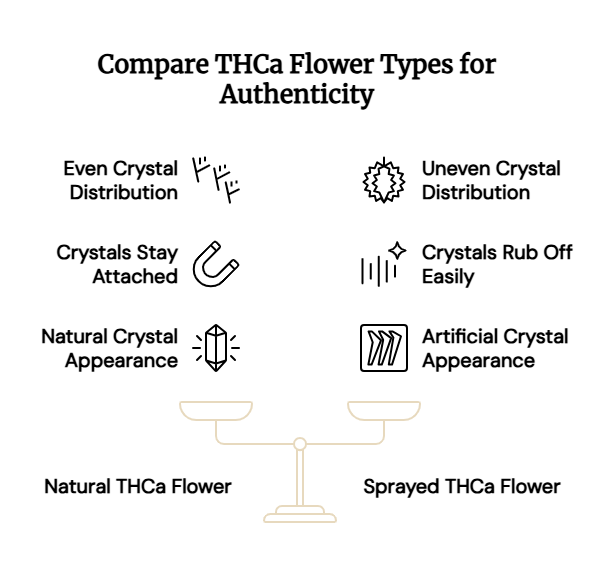
Natural trichomes concentrate where plants produce them during growth: on calyxes, around pistils, and on sugar leaves. Sprayed flower shows random coating that ignores plant structure. You might see heavy coverage on stems that would never develop dense trichomes naturally.
The coating often looks like dusty white powder rather than distinct crystal structures. Under bright light, sprayed material resembles powder residue instead of actual trichome heads.
Crystals That Rub Off Easily
Press your finger gently against a bud. Natural trichomes stay attached via stalks to the flower surface and feel sticky. Sprayed isolate rubs off readily, leaving white powder on your fingers similar to confectioner’s sugar.
This happens because the coating sits on top rather than growing from the flower. The difference becomes obvious when you handle both types.
Unusual Color or Artificial Sheen
Natural THCa flower shows varied colors: green plant matter, orange or purple pistils, and translucent to amber trichomes. Sprayed flower may look uniformly frosted or have artificial sheen that appears painted on.
Check the THCa flower guide for examples of authentic vs suspicious crystal patterns.
Aroma Differences Between Natural and Sprayed
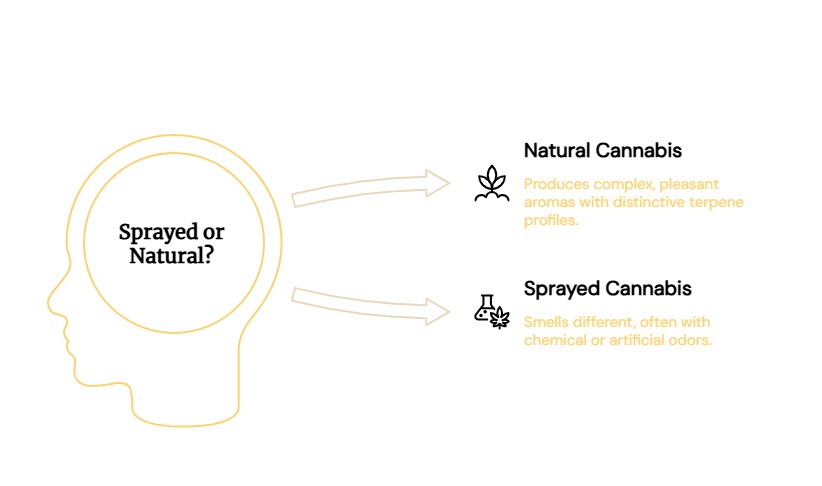
Your nose provides reliable testing for sprayed flower. Natural cannabis produces complex terpene profiles with distinctive, pleasant aromas. Sprayed products smell different.
Chemical or Solvent Odors
THCa isolate and synthetics often get dissolved in ethanol or isopropyl alcohol before application. Even after drying, trace amounts remain and create chemical smells. You might detect sharp, cleaning-product aromas that don’t match natural cannabis.
Some add food-grade terpenes to mask this, but the result smells artificial: overly sweet, single-note, or perfume-like rather than layered and earthy.
Weak or Missing Terpene Character
When producers spray low-quality hemp with isolate, they work with material that had minimal terpene content originally. Even if THCa numbers look high, aroma stays flat and weak.
Natural high-THCa flower smells strong and distinct because the same genetics and conditions that produce THCa also generate terpenes. Both develop together in trichomes. If potency claims are extreme but aroma is minimal, that mismatch signals problems.
For naturally aromatic options, try Space Kush for bright sativa terpenes or Triple Cheese for rich indica character.

Reading Lab Results for Authenticity
Third-party lab testing reveals what visual inspection cannot. Proper COAs show full cannabinoid profiles, terpene panels, and safety screening.
Full Cannabinoid Profile Analysis
Natural cannabis produces multiple cannabinoids during flowering: THCa, CBDA, CBGA, and others in varying ratios. When a COA shows 35% THCa but nearly zero other cannabinoids, that suggests isolate application.
|
Indicator |
Natural Flower |
Sprayed Flower |
|
THCa |
18-30% |
35-50%+ |
|
CBGa |
0.5-2% |
<0.1% |
|
CBDa |
0.5-3% |
<0.1% |
|
Total terpenes |
1-3% |
<0.5% |
|
Other cannabinoids |
Present |
Absent/trace |
Terpene Panel Requirements
Quality labs test for 20+ terpenes and report total percentage. Natural high-THCa flower typically shows 1-3% total terpenes with diverse profiles. If THCa lists at 40% but terpenes are below 0.5%, the numbers don’t match natural genetics.
Look for named terpenes like myrcene, limonene, and caryophyllene with measurable amounts. A profile showing only one or two terpenes at trace levels suggests poor handling or low-quality starting material.
Residual Solvent Testing
Sprayed flower may show elevated solvent levels if coating wasn’t fully dried before packaging. Check the COA’s solvent panel. Natural flower shows no solvents or only trace amounts from testing processes.
All Mellow Fellow THCa flower includes full third-party testing with cannabinoid profiles, terpene panels, and safety screening.
Safety Concerns with Sprayed Products
Beyond quality issues, sprayed flower poses health and legal risks that naturally grown products do not.
Synthetic Cannabinoid Dangers
Some operations spray synthetic cannabinoids onto hemp to create stronger effects. The National Institute on Drug Abuse warns these laboratory-made substances can cause severe reactions including seizures and cardiovascular problems.
You cannot visually distinguish synthetic cannabinoids from natural ones without testing. If a product’s effects seem unusually intense or uncomfortable compared to known cannabis experiences, synthetic contamination may be the cause.
Residual Solvents and Contaminants
Solvents used to dissolve and spray cannabinoids can remain in the final product if not properly removed. Inhaling ethanol or isopropanol vapors carries health risks with repeated exposure.
Additionally, the isolate being sprayed may contain heavy metals, pesticides, or contaminants from poor extraction processes that transfer to the flower.
How to Choose Trusted THCa Sources
Building relationships with reliable vendors reduces your risk of encountering sprayed products. Apply these criteria when selecting where to buy.
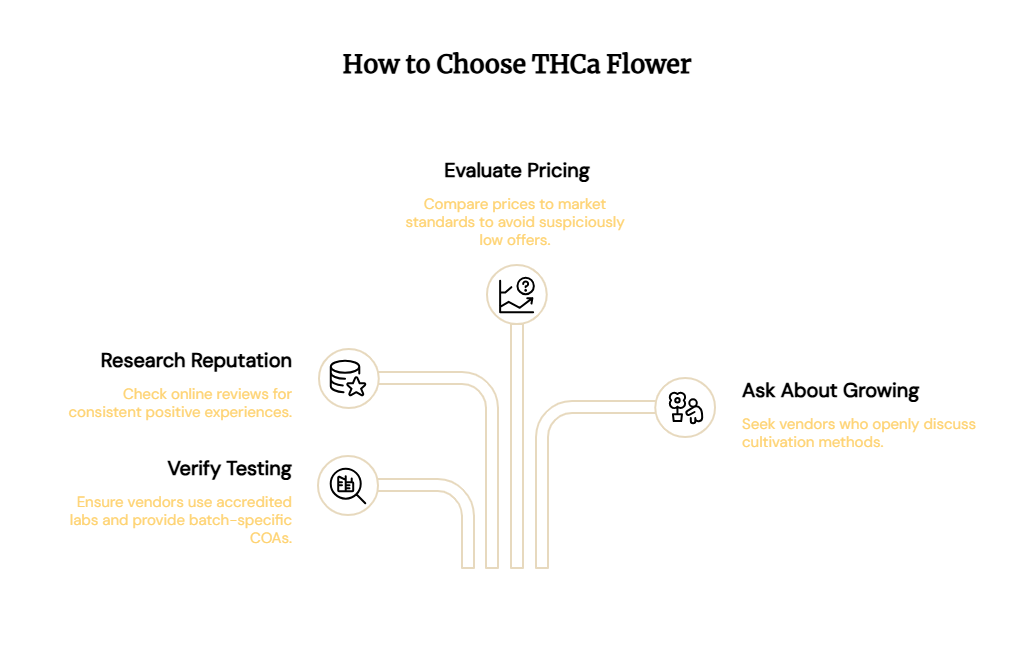
Verify Third-Party Testing Practices
Ask vendors about testing procedures:
- Which lab do they use?
- Are results batch-specific?
- Can you access current COAs easily?
Reputable sources test every harvest with accredited labs and make results publicly accessible via QR codes or website databases.
Research Company Reputation
Check online reviews and cannabis forums for feedback about specific brands. Look for consistent positive experiences regarding product quality and lab result accuracy. Patterns of complaints about weak effects, harsh smoke, or chemical smells indicate potential spraying.
Evaluate Pricing Against Market Standards
Quality THCa flower typically costs $50-$120 per eighth ounce depending on genetics and cultivation method. If pricing sits far below these ranges with claims of extreme potency, question how the economics work.
Ask About Growing Methods
Quality vendors openly discuss cultivation approach, genetics sources, and post-harvest processing. They can tell you about strains they grow, whether production is indoor or outdoor, and quality control processes.
Vague answers or refusal to discuss production details may indicate the vendor doesn’t control their supply chain and could be reselling sprayed bulk material.
Want clean, tested THCa flower? Browse Mellow Fellow’s naturally grown selection with COAs for every product.
Naturally Grown THCa Flower from Mellow Fellow
When you understand the difference between sprayed and authentic flower, choosing quality becomes straightforward. Mellow Fellow’s THCa collection uses controlled indoor cultivation with cannabis genetics specifically bred for high THCa content and rich terpene expression.
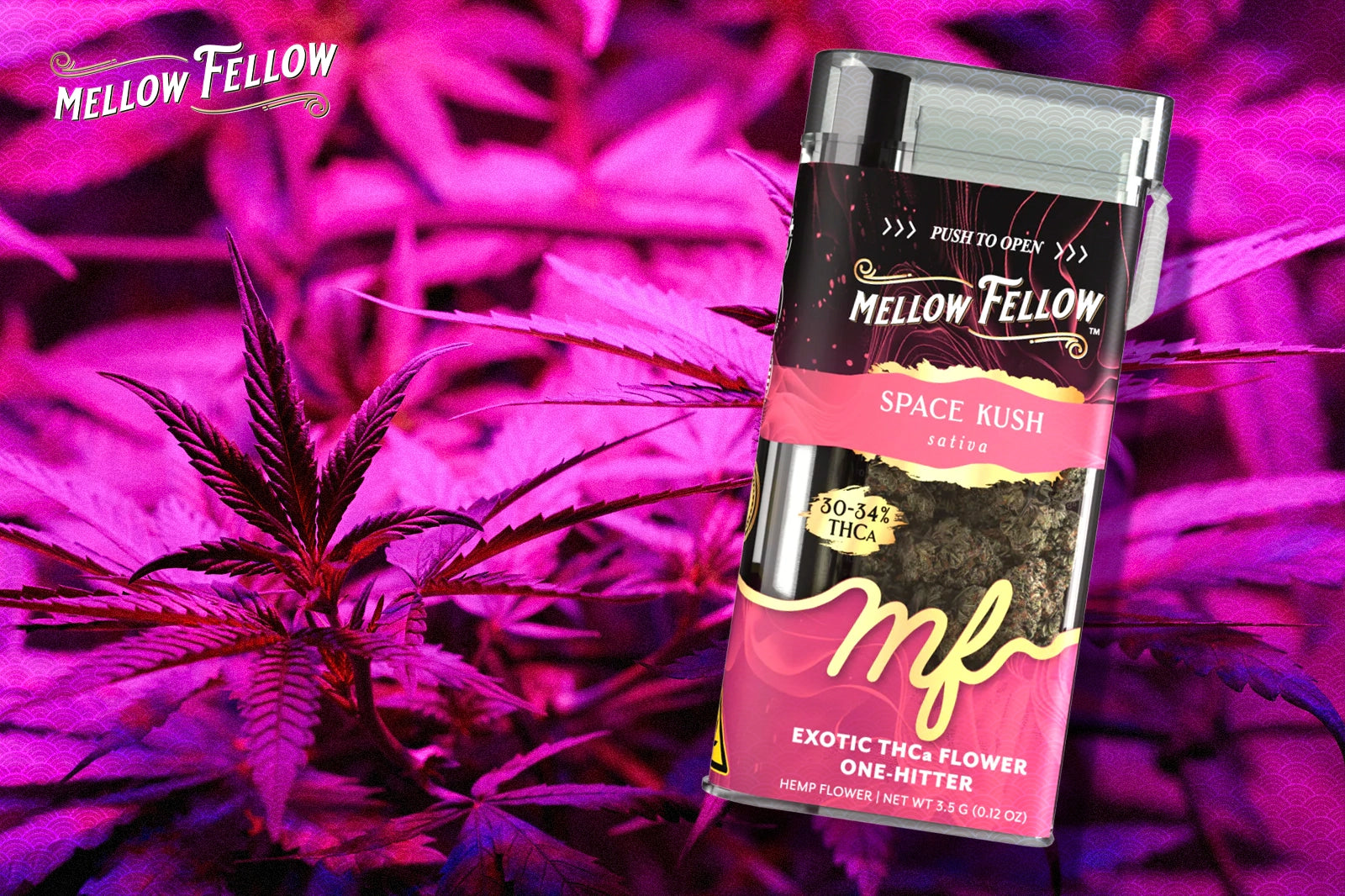
Each strain comes in 3.5g exotic jars with full batch-specific lab results showing balanced cannabinoid and terpene profiles. Here’s what naturally grown, lab-tested THCa flower looks like:
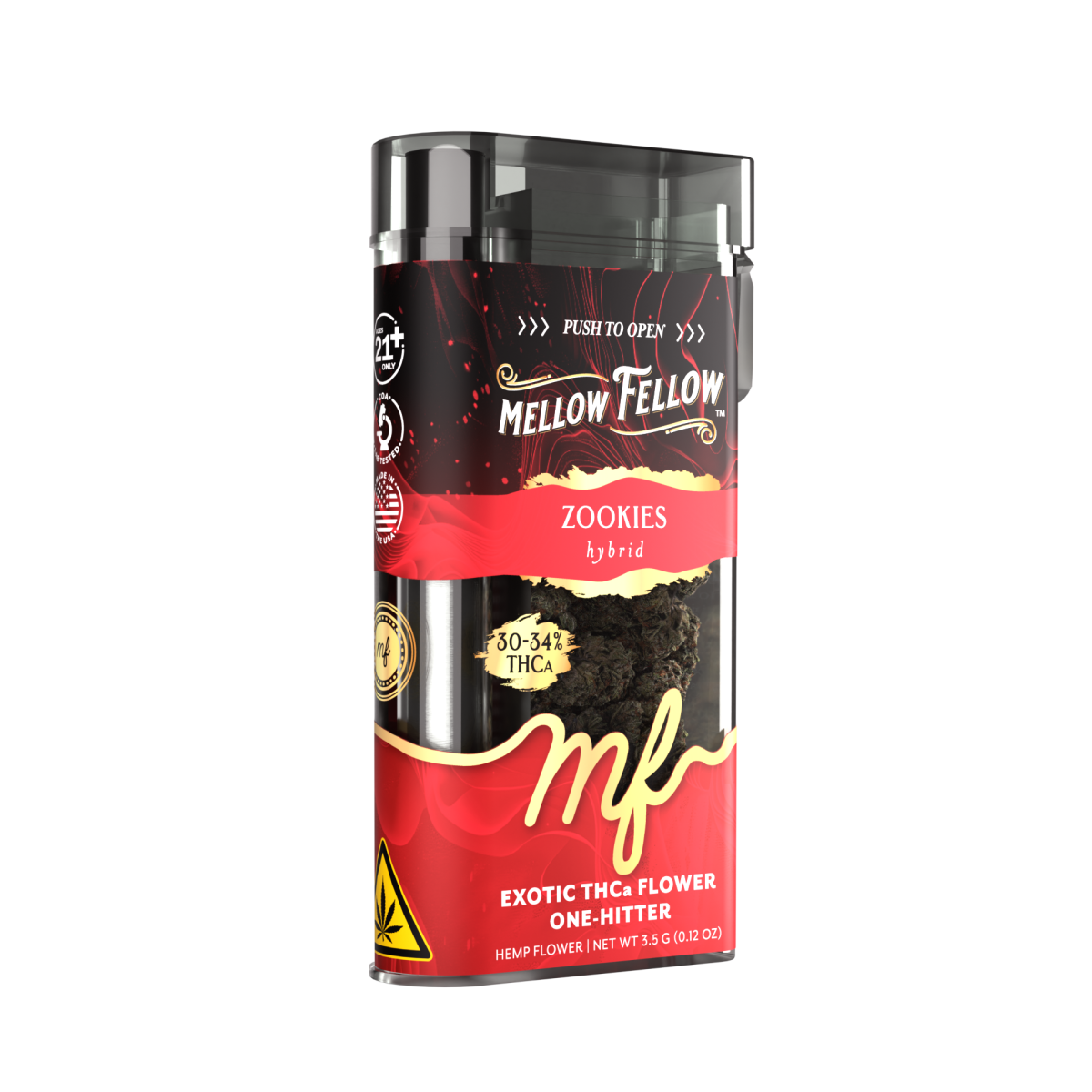
Zookies Hybrid – This balanced hybrid combines sweet, earthy notes with cookie dough undertones. Zookies delivers even effects suitable for any time of day, with natural THCa content and a diverse terpene profile featuring caryophyllene and limonene. The flower shows proper trichome coverage across calyxes without artificial enhancement.
Triple Cheese Indica – Rich, savory aromas define this indica-leaning strain. Triple Cheese offers funky cheese character with sweet undertones, backed by myrcene-dominant terpenes that create its distinctive smell. The dense bud structure and sticky resin show classic indica traits developed through natural flowering.
Space Kush Sativa – Bright citrus and pine notes characterize this sativa-dominant option. Space Kush delivers clean, focused effects with a terpene profile featuring pinene and limonene. The lighter green color and looser structure match typical sativa flower architecture, with trichomes distributed naturally across the surface.
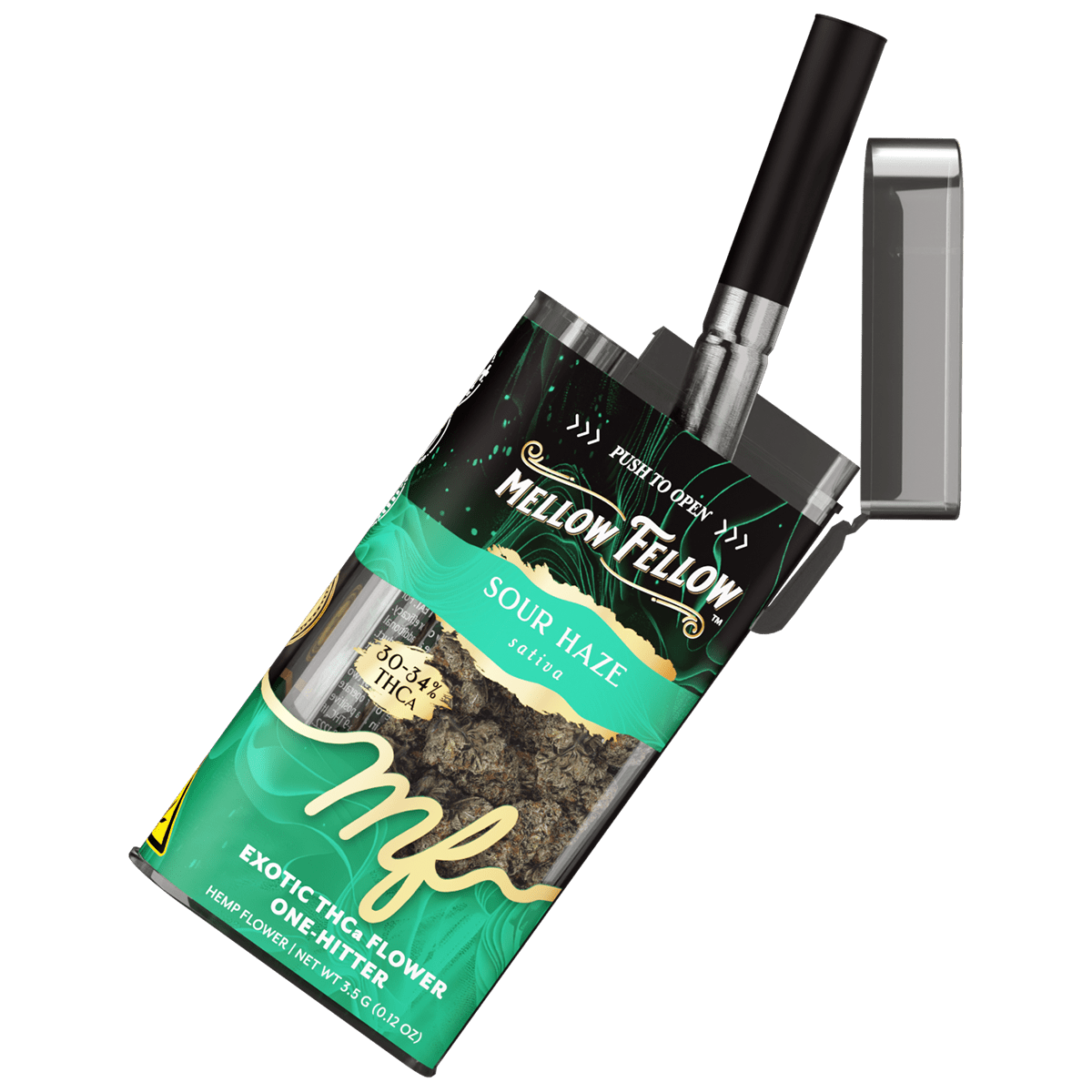
Sour Haze Sativa – Sharp, lemony aromatics meet herbal undertones in this classic sativa. Sour Haze shows high terpinolene content creating its signature sour smell, with effects suited for daytime use. The airy bud structure and vibrant color indicate proper sativa genetics rather than dense, sprayed hemp.
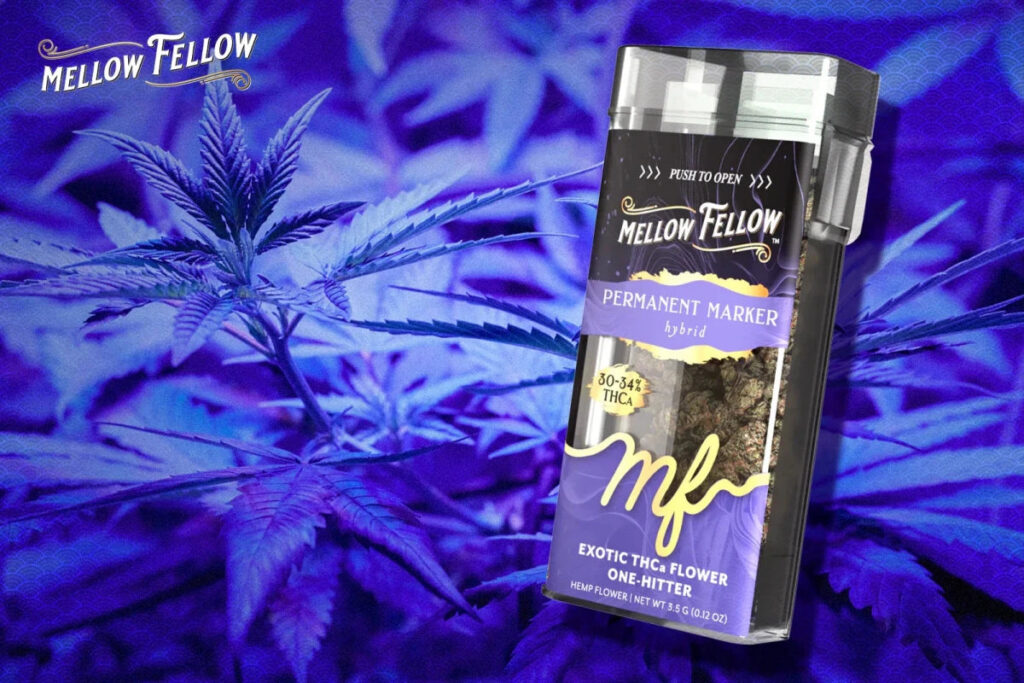
Permanent Marker Hybrid – Complex aromatics blend floral, fuel, and candy notes in this modern hybrid. Permanent Marker features diverse terpenes including caryophyllene, limonene, and linalool creating layered smell and taste. The purple-tinged calyxes and orange pistils show authentic genetic expression, not artificial coloring or coating.
All five strains include accessible COAs showing THCa content in the 20-28% range with supporting minor cannabinoids (CBGA, CBDA) and 1.5-2.5% total terpenes. This balance indicates natural biosynthesis rather than isolate application.
Trying High-Quality THCa Flower
Sprayed THCa flower may promise eye-catching potency, but it often delivers inconsistent effects, weak terpene profiles, and unnecessary risks. Naturally grown THCa tells a different story, with balanced cannabinoids, rich aroma, authentic trichomes, and lab results that actually make sense. Once you know what to look for, spotting quality becomes straightforward and buying with confidence becomes easy.
If you want real THCa flower grown from proper genetics and backed by full third-party testing, see Mellow Fellow’s naturally cultivated selection. Every strain includes transparent COAs, balanced profiles, and the quality standards serious consumers expect. Browse the collection today and experience what authentic THCa flower is supposed to feel like.
Frequently Asked Questions
How Can You Tell if THCa Flower Is Sprayed?
Check for uneven white coating, crystals that rub off as powder, chemical smell, and lab results showing very high THCa with minimal other cannabinoids or terpenes. Natural flower has embedded trichomes, strong aroma, and balanced profiles.
What Does Sprayed THCa Look Like?
Sprayed THCa appears as dusty white powder on the surface rather than distinct mushroom-shaped trichomes. The coating looks random and may clump where spray pooled during application.
Are Sprayed THCa Products Dangerous?
Sprayed products may contain residual solvents, contaminants from low-quality isolate, or synthetic cannabinoids with unknown safety profiles. These carry more risk than naturally grown, tested flower.
What THCa Percentage Is Realistic for Natural Flower?
Most naturally grown THCa flower tests between 18% and 30% total THCa. Some genetics reach 32-35%. Claims above 35% deserve scrutiny through full lab testing showing natural cannabinoid and terpene profiles.
Why Do Companies Spray THCa Flower?
Spraying cheap hemp with isolates allows producers to create high-potency claims without growing expensive cannabis genetics, boosting profit margins by transforming low-value material into premium-priced products.
Can Lab Tests Detect Sprayed Flower?
Standard cannabinoid tests show THCa content but don’t always distinguish natural from applied isolate. Full profiles revealing absent minor cannabinoids, low terpenes, or residual solvents indicate spraying.
How Much Should Quality THCa Flower Cost?
Expect $50-$120 per eighth ounce for naturally grown, lab-tested THCa flower depending on genetics and method. Prices significantly below this range often indicate lower quality or sprayed material.
What Makes Mellow Fellow’s THCa Flower Different?
Mellow Fellow uses controlled indoor cultivation with cannabis genetics bred for high THCa and rich terpenes. Every product includes batch-specific COAs with full cannabinoid and terpene profiles accessible online.
For more information, read about THCa vs THCP differences, THCa vs THCB comparisons, whether THCa gets you high, and THCa budder concentrate forms.
Sources
- Synthetic Cannabinoids | National Institute on Drug Abuse (NIDA)
- Glandular trichome development, morphology, and maturation are influenced by plant age and genotype in high THC-containing cannabis (Cannabis sativa L.) inflorescences – PMC
- Cannabis sativa: origin and history, glandular trichome development, and cannabinoid biosynthesis | Horticulture Research | Oxford Academic
Leave a Reply