
How to Decarb THCa Flower: Temperature Guide and Methods
Quick Answer: Decarbing THCa flower converts non-intoxicating THCa into psychoactive THC through controlled heat. Bake ground flower at 240°F for 30-40 minutes in an oven-safe dish, checking every 10 minutes to prevent degradation.
If you want to unlock the effects of raw cannabis, knowning how to how to decarb THCa flower is essential for converting THCa into active THC with the right heat and timing.
KeyTakeaways
- THCa converts to THC at 230-250°F through loss of its carboxyl group.
- Oven decarboxylation at 240°F for 30-40 minutes yields 70-90% conversion efficiency.
- Proper temperature control prevents terpene loss and cannabinoid degradation.
- Research shows peak conversion occurs between 230-250°F with minimal CBN formation.
- Mellow Fellow’s THCa flower arrives lab-tested and ready for activation or direct consumption.
Why Decarboxylation Matters for THCa Flower
THCa (tetrahydrocannabinolic acid) exists naturally in raw cannabis and hemp flower as the precursor to THC. Unlike THC, THCa does not produce intoxicating effects when consumed raw because its molecular structure prevents it from binding efficiently to CB1 receptors in the brain.
Decarboxylation removes a carboxyl group (COOH) from the THCa molecule through heat exposure, converting it to Delta-9 THC. This process happens automatically when smoking or vaping, but requires deliberate heating when preparing flower for edibles, tinctures, or topicals.
According to research published in Cannabis and Cannabinoid Research, controlled decarboxylation at optimal temperatures can achieve near-complete conversion of THCa to THC while minimizing degradation. The study tracked cannabinoid profiles at temperatures from 80°C to 145°C and found that THCa decarboxylation follows first-order kinetics with no CBN formation under proper conditions.
Many users purchase THCa flower because it offers the same chemical potential as traditional cannabis while remaining legal under the 2018 Farm Bill when derived from hemp and containing less than 0.3% Delta-9 THC by dry weight before heating.
|
Temperature Range |
Conversion Time |
Efficiency |
Risk Level |
|
200-220°F |
60-90 minutes |
60-75% |
Low terpene loss, slow |
|
230-250°F |
30-45 minutes |
75-95% |
Optimal balance |
|
260-280°F |
15-25 minutes |
70-85% |
Terpene degradation |
|
290°F+ |
10-15 minutes |
50-70% |
High THC/terpene loss |
Maintaining moderate decarb temperatures in roughly the 230-250°F (110-120°C) range for tens of minutes is widely used because it efficiently converts THCa to THC while helping preserve aromatic terpenes compared to hotter, faster methods.
Step-by-Step Oven Decarboxylation Method
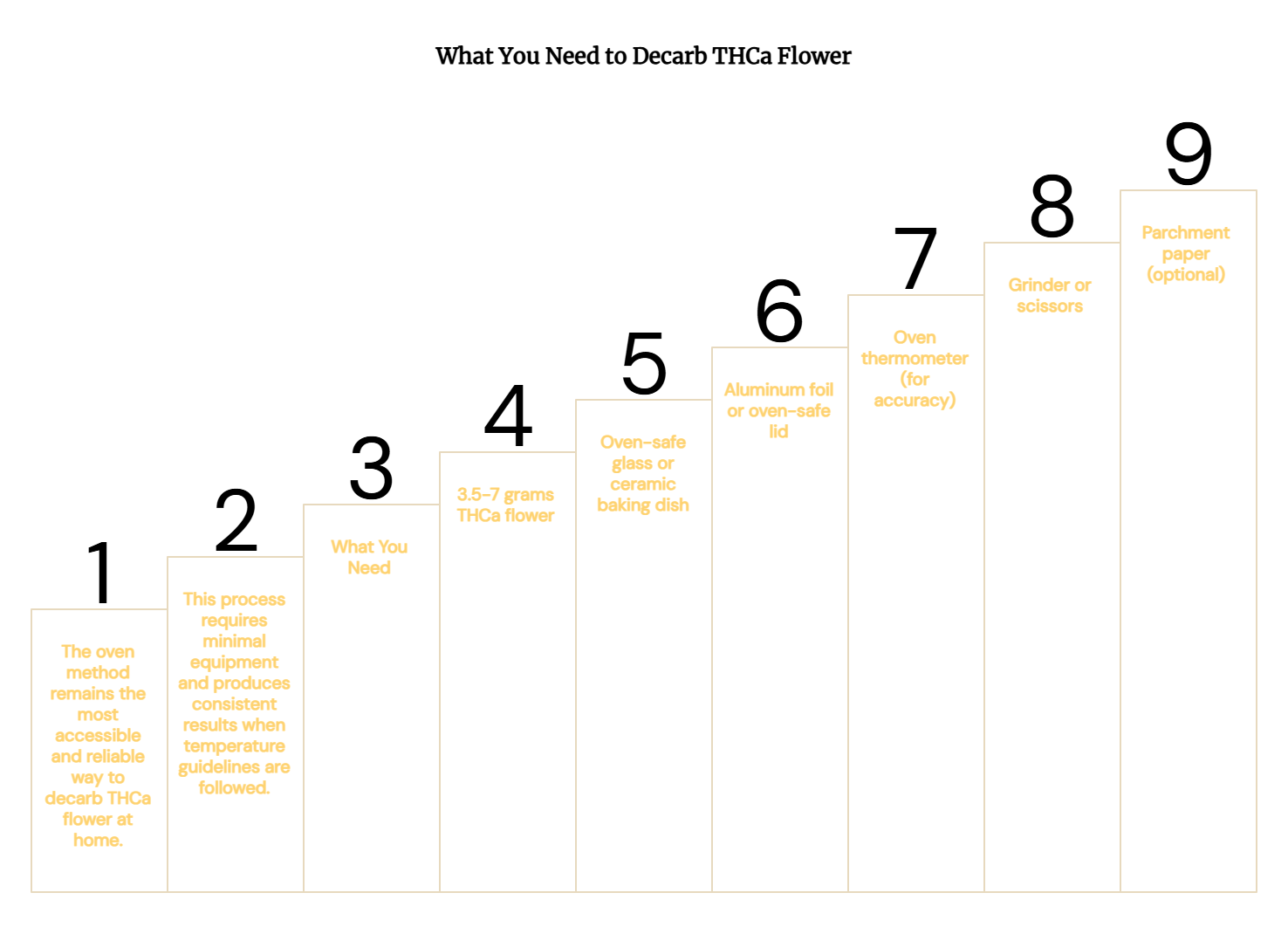
The oven method remains the most accessible and reliable way to decarb THCa flower at home. This process requires minimal equipment and produces consistent results when temperature guidelines are followed.
What You Need
- 3.5-7 grams THCa flower
- Oven-safe glass or ceramic baking dish
- Aluminum foil or oven-safe lid
- Oven thermometer (for accuracy)
- Grinder or scissors
- Parchment paper (optional)
Decarboxylation Steps
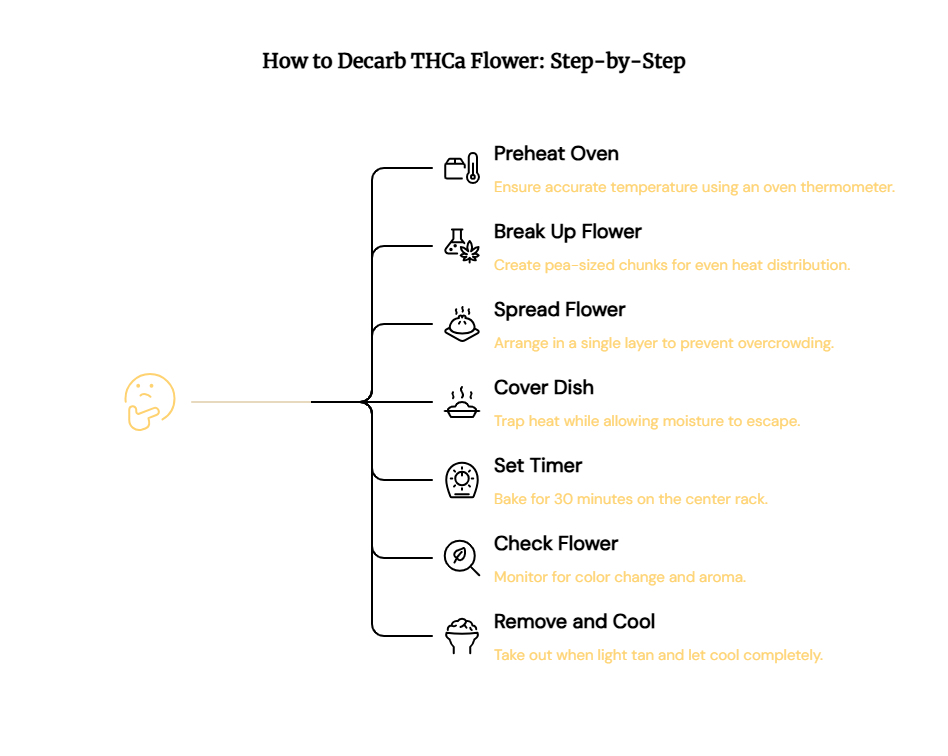
- Preheat your oven to 240°F. Use an oven thermometer to verify the actual temperature, as many ovens run 10-25°F hotter or cooler than the dial setting.
-
Break up the THCa flower into small, even pieces using a grinder or scissors. Avoid grinding into powder; pea-sized chunks allow for even heat distribution without excessive surface area that could burn.
-
Spread the ground flower in a single layer across your baking dish. Overcrowding reduces airflow and creates hot spots.
-
Cover the dish loosely with aluminum foil to trap heat while allowing moisture to escape. This prevents burning and helps maintain consistent temperature around the flower.
-
Place the dish on the center oven rack and set a timer for 30 minutes.
-
Check the flower at 10-minute intervals. Properly decarbed material shifts from bright green to a light golden-brown color and develops a toasted, earthy aroma.
-
Remove the dish when the flower reaches a light tan color, typically after 30-40 minutes. Let it cool completely before transferring to an airtight container.
When done correctly, your THCa flower transforms from a fresh, grassy smell to a nutty, toasted aroma. The color change from green to golden-brown signals that decarboxylation is complete. If you notice dark brown edges or a burnt smell, reduce temperature by 10-15°F for your next batch.
For those who want simpler formats, consider starting with Mellow Fellow’s THCa flower jars, which arrive pre-portioned and lab-tested for cannabinoid content.
Alternative Decarboxylation Methods
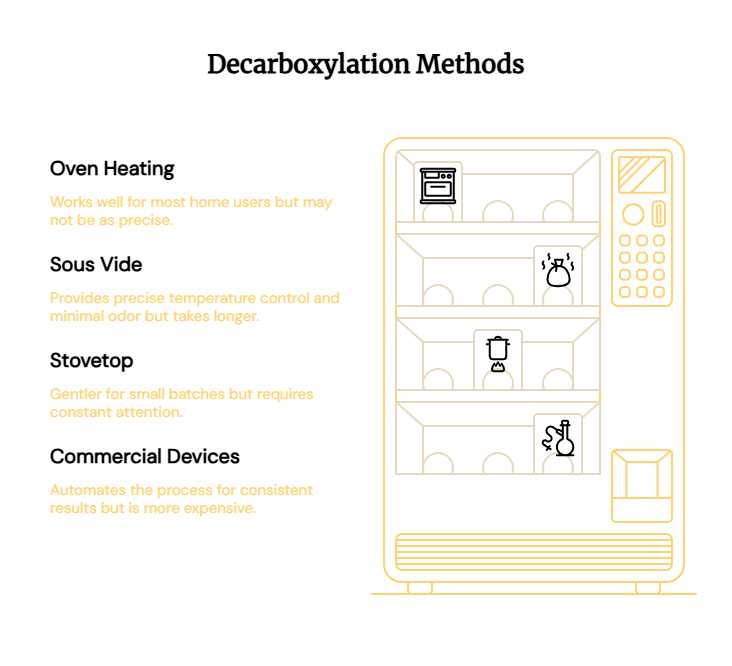
While oven heating works well for most home users, several other methods offer advantages for specific applications or batch sizes.
Sous Vide Decarboxylation
Sous vide cooking provides precise temperature control through water bath heating. Seal ground THCa flower in a vacuum bag or mason jar, then submerge in water heated to 203°F for 90 minutes. This method produces minimal odor and prevents terpene evaporation, though it requires longer processing time than oven methods.
Stovetop Method
Place ground flower in a heat-safe container, then set it in a pot of simmering water for 60-90 minutes. Monitor water levels to prevent the container from running dry. This gentler method works for small batches but requires constant attention.
Specialized Decarboxylation Devices
Commercial decarboxylators like the Ardent FX or LEVO II automate temperature and timing. These devices cost $200-400 but eliminate guesswork for frequent users who need consistent results across multiple batches.
Each method shares the same goal: sustained heat exposure in the 230-250°F range to convert THCa into THC without degrading other valuable compounds. Your choice depends on available equipment, batch size, and whether odor control matters in your space.
If you’re preparing flower for cooking rather than smoking, check out our guide on what are live resin gummies to understand how terpene-rich extracts translate into edible formats.
Using Decarbed THCa Flower
Once your flower completes decarboxylation, it becomes an active ingredient for various preparations. The converted THC binds to fats and alcohol, making it ideal for infusions.
Common Applications
-
Cannabutter and Oils: Simmer decarbed flower in butter or coconut oil for 2-3 hours on low heat, then strain. Use a 1:1 ratio of flower to fat (e.g., 7 grams flower per cup of butter).
-
Tinctures: Soak decarbed flower in high-proof alcohol (Everclear or vodka) for 2-4 weeks, shaking daily. Strain before use. Start with 0.25-0.5 mL doses.
-
Direct Consumption: Mix finely ground decarbed flower into foods with fat content. This method tastes strong and works best in savory dishes or baked goods that mask the flavor.
- Topical Preparations: Infuse decarbed flower into balms, lotions, or salves for localized application without intoxicating effects.
For measured servings and consistent dosing, many users prefer Delta-9 live resin edibles, which arrive pre-activated with clear mg counts per piece.

Temperature Control and Equipment Tips
Accurate temperature measurement makes the difference between successful decarboxylation and wasted flower. Most home ovens fluctuate 15-25°F around their set temperature, creating hot and cold zones that can burn or under-process your material.
Essential Equipment Upgrades
-
Oven Thermometer: Place one on the same rack as your flower to monitor actual temperature. Adjust your oven dial up or down to maintain 240°F.
-
Infrared Thermometer: Point it at your baking dish to spot-check surface temperature during the process.
-
Convection Setting: If your oven offers convection mode, use it. The fan circulates air for more even heating and reduces hot spots by 20-30%.
-
Glass or Ceramic Dish: Metal pans conduct heat too aggressively and create temperature spikes. Glass provides gentler, more even heating.
Some users wrap their flower in parchment paper before covering with foil. This extra layer protects against direct contact with the foil, which can create hot spots where it touches the material.
If your oven tends to run hot, reduce the set temperature to 230°F and extend heating time to 40-45 minutes. If it runs cool, increase to 250°F and check at 25 minutes. Track your results in a notebook to dial in your specific oven’s behavior.
Preserving Terpenes During Decarboxylation
Terpenes are volatile aromatic compounds that evaporate at lower temperatures than cannabinoids. Myrcene boils at 334°F, limonene at 349°F, and pinene at 311°F, but noticeable losses begin around 250°F during extended heating.
According to research in Cannabis Science and Technology, up to 30% of terpenes are lost during typical drying and decarboxylation processes. The study found that covering flower during heating and using lower temperatures preserved more aromatic compounds, though conversion times increased.
Terpene Preservation
- Keep temperatures at 240°F or below when time allows
- Cover your baking dish to trap volatile compounds
- Use shorter heating windows (30-35 minutes instead of 45)
- Cool flower quickly after removing from heat
- Store decarbed material in airtight, dark containers
While some terpene loss is unavoidable during decarboxylation, these steps minimize evaporation and preserve the flavor and aroma compounds that contribute to the entourage effect.
For users who prioritize terpene-forward experiences, live resin disposable vapes flash-freeze fresh flower immediately after harvest to capture peak terpene content before any degradation occurs.
Common Decarboxylation Mistakes
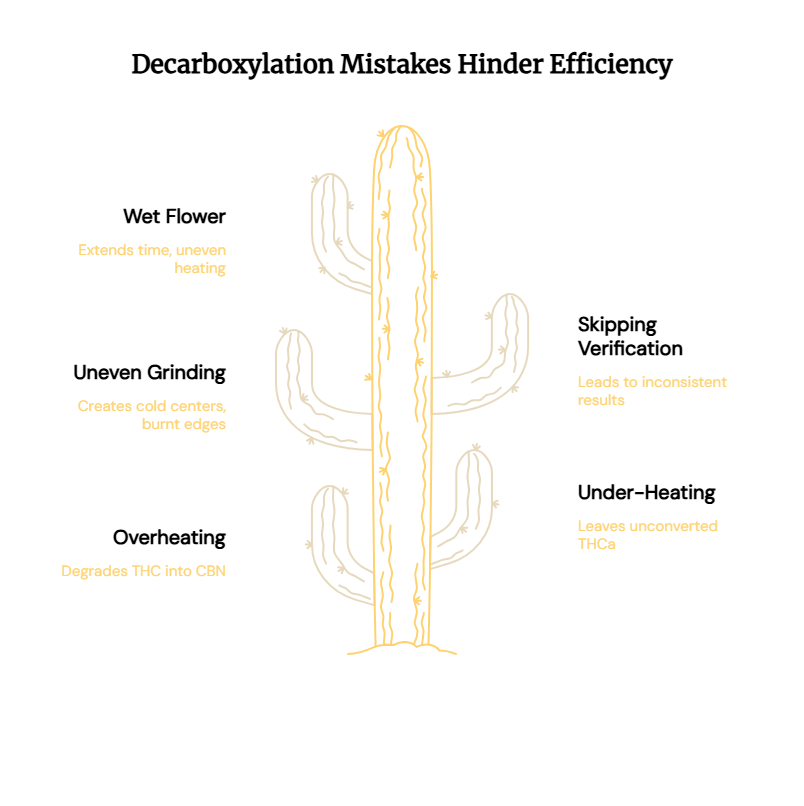
Even experienced users make errors that reduce conversion efficiency or degrade their final product. Avoid these frequent pitfalls:
- Overheating: Temperatures above 260°F convert THCa quickly but also degrade THC into CBN, a mildly sedating cannabinoid. If your flower turns dark brown or smells burnt, you’ve exceeded safe temperatures.
- Under-Heating: Temperatures below 220°F require 60-90 minutes for full conversion. Many users pull their flower too early, leaving unconverted THCa that won’t produce effects in edibles.
- Uneven Grinding: Large chunks heat unevenly, leaving cold centers while edges burn. Break flower into consistent pea-sized pieces for uniform heat distribution.
- Skipping Temperature Verification: Trusting your oven dial without checking actual temperature leads to inconsistent results. Always verify with a thermometer.
- Using Wet or Uncured Flower: Moisture content above 12% extends decarboxylation time and creates uneven heating. Properly dried flower (55-62% humidity after curing) decarbs more predictably.
If you’re working with fresh or sticky flower, let it dry in a cool, dark space for 3-5 days before attempting decarboxylation. For immediate use, consider THCa pre-rolls that arrive ready to smoke without additional preparation.
Mellow Fellow’s Premium THCa Flower Selection
If you’re looking for high-quality THCa flower that’s ready to decarb or smoke, Mellow Fellow offers lab-tested exotic strains in convenient 3.5g jars. Each jar arrives with third-party testing results and clear cannabinoid breakdowns, so you know exactly what you’re working with before you start the decarboxylation process.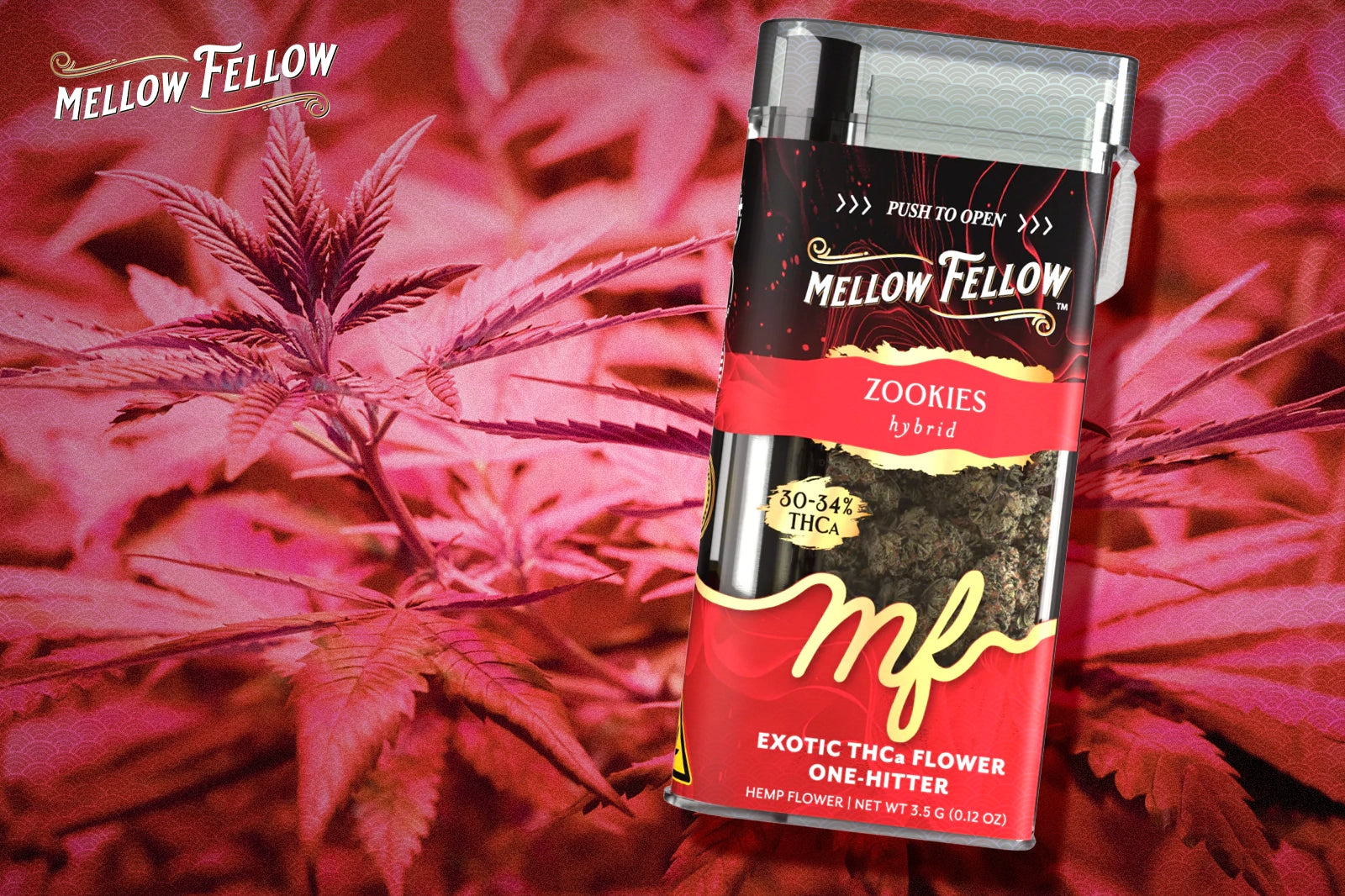
Zookies (Hybrid) – A balanced hybrid that combines sweet cookie flavors with earthy undertones. This strain delivers a well-rounded experience that works equally well for daytime decarboxylation projects or evening consumption. The terpene profile holds up well during controlled heating.
Triple Cheese (Indica) – Rich, pungent cheese notes define this indica-dominant flower. Triple Cheese is popular among users preparing edibles or tinctures because its robust flavor translates well into infused butter and oils after decarboxylation.
Space Kush (Sativa) – A sativa-leaning strain with bright, citrus-forward aromatics. Space Kush contains terpenes like limonene and pinene that preserve reasonably well at 240°F, making it a solid choice for users who want to maintain flavor during the decarb process.
Sour Haze (Sativa) – Sharp, diesel-like aromas with a sour kick. This strain is often chosen for morning or midday preparations when users want activated flower for precise dosing in edibles or capsules.
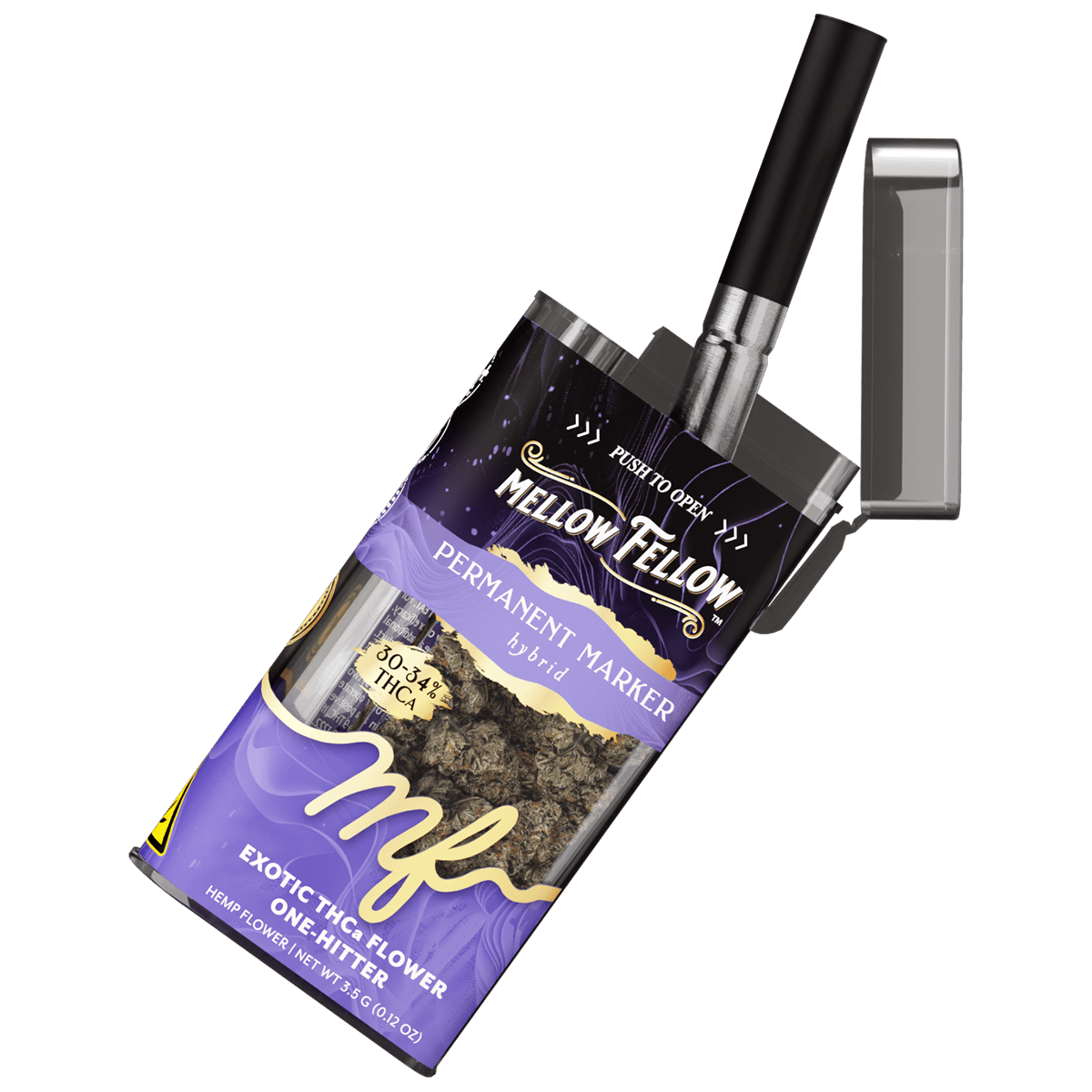
Permanent Marker (Hybrid) – A newer hybrid with bold, marker-like chemical aromatics balanced by sweet fruit notes. Permanent Marker’s dense trichome coverage means higher THCa content per gram, which translates to more THC after decarboxylation.
For those who want to avoid home preparation entirely, our guide on strongest THCP gummies covers pre-made edibles with clear dosing and lab-tested potency.
Testing and Verifying Decarboxylation Success
Visual and aromatic cues provide rough indicators of successful decarboxylation, but lab testing offers definitive confirmation of cannabinoid conversion rates.
|
Indicator |
Under-Decarbed |
Properly Decarbed |
Over-Decarbed |
|
Color |
Bright green |
Light tan/golden |
Dark brown |
|
Aroma |
Fresh, grassy |
Toasted, nutty |
Burnt, harsh |
|
Texture |
Moist, sticky |
Dry, crumbly |
Brittle, powder |
|
THC Content |
<50% converted |
75-95% converted |
60-80% (CBN present) |
Home drug tests and DIY testing kits can’t measure THC percentages accurately enough to verify decarboxylation efficiency. If precise potency matters for medical dosing or product development, send samples to a certified cannabis testing lab. Most labs charge $40-100 per sample for cannabinoid profile analysis.
For personal use, the color and smell test works reliably once you complete a few batches. Proper decarboxylation produces flower that looks like dried oregano or sage, with a pleasant toasted aroma free of burnt notes.
If your edibles or tinctures don’t produce expected effects, under-decarboxylation is the most likely cause. Extend heating time by 10 minutes on your next batch and verify your oven temperature with a thermometer.
Decarbing THCa Flower: From Raw THCa to Ready-to-Use THC
Decarbing THCa flower is all about controlled heat and patience. Keep your temperature around 240°F, give it enough time to fully convert, and you unlock the full THC potential without sacrificing terpenes or potency.
Once you understand how timing and temperature work together, decarboxylation stops being guesswork and becomes a repeatable process you can rely on for edibles, tinctures, or infusions every time.
Users who want guaranteed potency without home testing can browse Mellow Fellow’s lab-tested THCa flower, which arrives with full cannabinoid profiles and batch-specific COAs accessible via QR code.
Frequently Asked Questions
How Long Does It Take to Decarb THCa Flower?
Decarboxylation takes 30-40 minutes at 240°F in a conventional oven. Lower temperatures (220-230°F) require 45-60 minutes, while higher temperatures (250-260°F) complete the process in 20-30 minutes but risk degrading cannabinoids and terpenes.
What Temperature Should I Use to Decarb THCa Flower?
The optimal decarboxylation temperature is 240°F (115°C). This temperature converts 75-95% of THCa to THC while preserving terpenes and preventing cannabinoid degradation. Temperatures above 260°F increase THC-to-CBN conversion and burn off volatile compounds.
Can You Decarb THCa Flower in a Microwave?
Microwaves heat unevenly and can’t maintain the stable temperatures required for proper decarboxylation. Hot spots will burn portions of your flower while leaving other areas under-processed. Stick to oven, sous vide, or stovetop methods for reliable results.
Do I Need to Decarb THCa Flower Before Smoking?
No. Smoking or vaping instantly decarboxylates THCa through combustion or vaporization temperatures exceeding 400°F. Pre-decarbing is only necessary when preparing edibles, tinctures, topicals, or other products that won’t be heated during consumption.
How Do I Know When THCa Flower Is Fully Decarbed?
Fully decarbed flower shifts from bright green to light golden-brown and develops a toasted, nutty aroma. The texture becomes dry and crumbly. If the material stays green or smells fresh and grassy, extend heating time by 10 minutes and recheck.
Does Decarbing THCa Flower Reduce Potency?
Proper decarboxylation converts THCa to THC without significant potency loss when temperatures stay below 250°F. Overheating (above 260°F) degrades THC into CBN and evaporates terpenes, reducing overall effect. Following temperature guidelines preserves 85-95% of total cannabinoid content.
Can I Reuse Flower After Decarboxylation?
Once THCa converts to THC through decarboxylation, the flower is ready for infusion or consumption. You can’t reverse the process or “re-decarb” the material. If you’ve already extracted cannabinoids into butter or oil, the leftover plant matter holds minimal active compounds.
How Should I Store Decarbed THCa Flower?
Store decarbed flower in an airtight glass jar in a cool, dark place. Exposure to light, heat, and oxygen degrades THC over time. Properly stored decarbed material maintains potency for 6-12 months. Refrigeration extends shelf life but can introduce moisture when the container returns to room temperature.
What’s the Difference Between Decarbing THCa and Delta-9 THC Flower?
Legally purchased hemp THCa flower contains less than 0.3% Delta-9 THC before heating but converts to full-potency THC through decarboxylation. Traditional cannabis flower already contains Delta-9 THC and requires the same decarboxylation process for edibles. The chemical conversion follows identical principles regardless of starting material.
Is It Legal to Decarb THCa Flower at Home?
Federal law permits possession and use of hemp-derived THCa flower containing less than 0.3% Delta-9 THC. Some states have banned or restricted THCa products despite federal legality. Check your state’s current shipping restrictions before purchasing or decarbing THCa flower.
Sources
- Keeping it Clean: Recapturing Terpenes for Added Value and Cleaning Wastewater Streams | Cannabis Science and Technology – Cannabis Industry News, Insights
- Cannabinoid Decarboxylation: A Comparative Kinetic Study | Industrial & Engineering Chemistry Research
- Decarboxylation Study of Acidic Cannabinoids: A Novel Approach Using Ultra-High-Performance Supercritical Fluid Chromatography/Photodiode Array-Mass Spectrometry – PMC
Leave a Reply