
What Is a Cannagar and How to Make Them
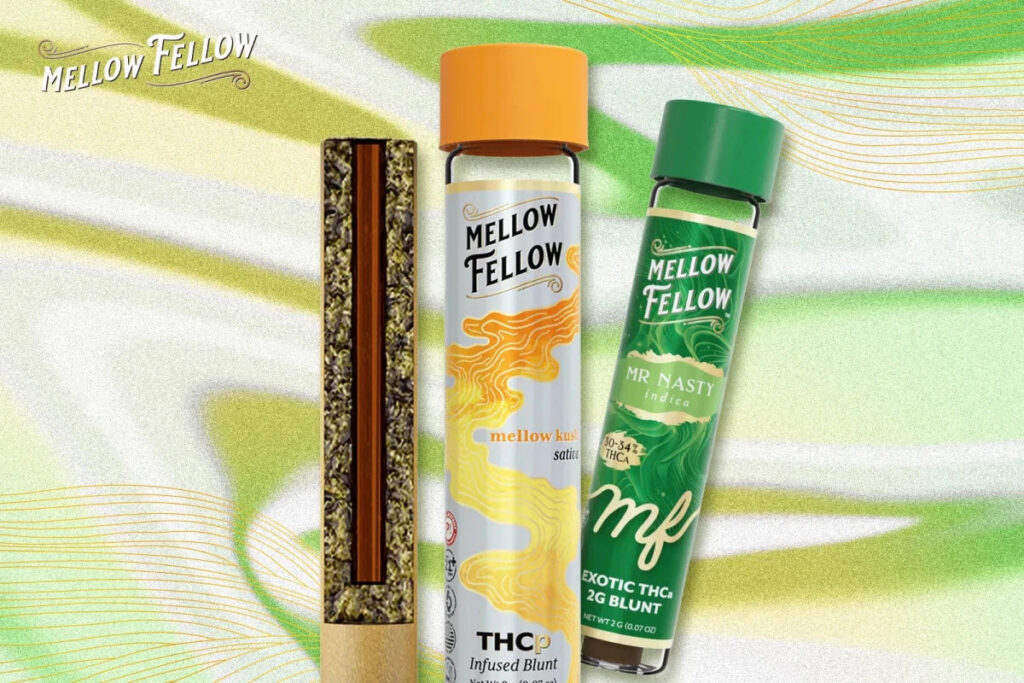
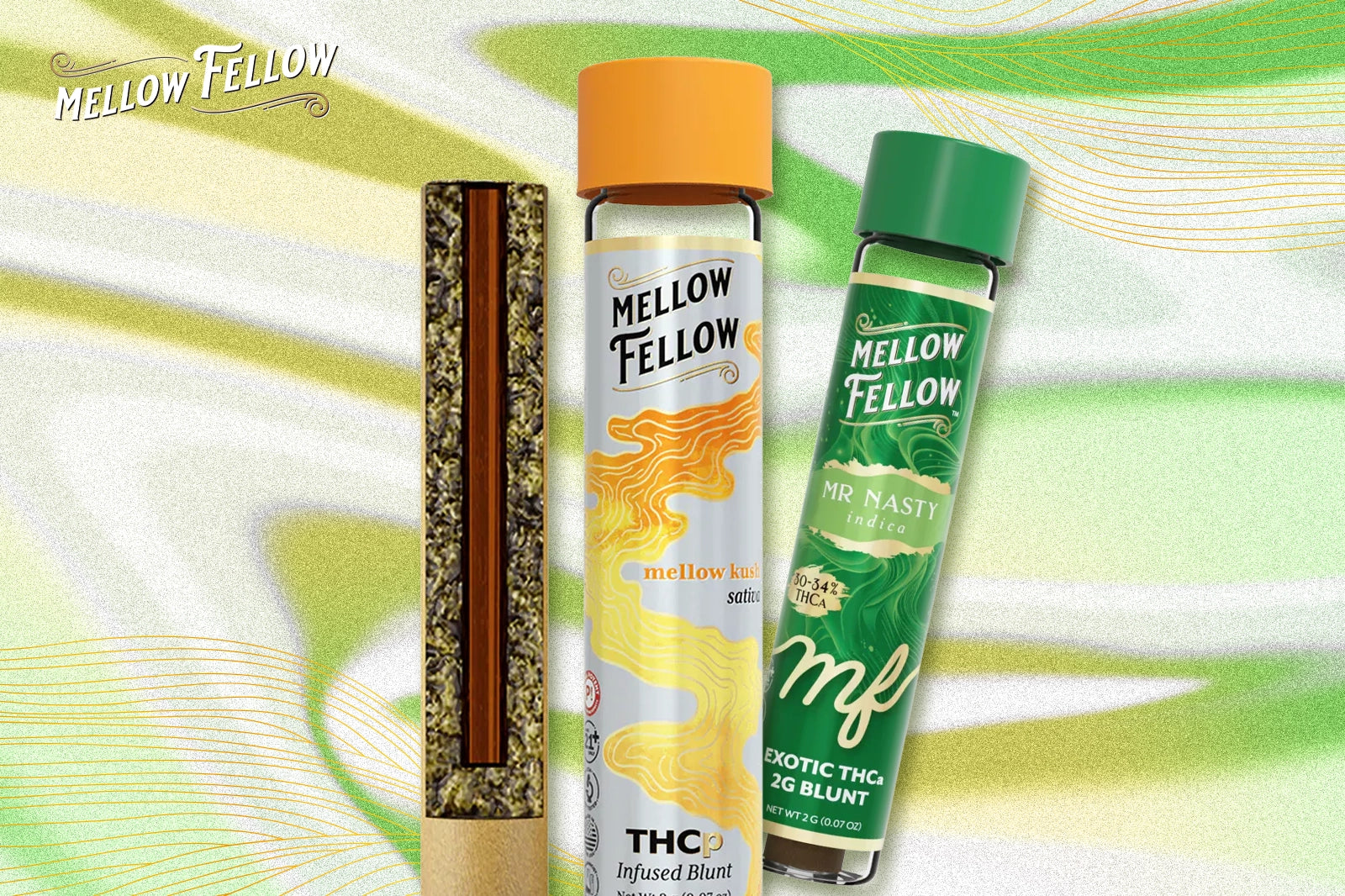
Quick Answer: A cannagar is a cannabis cigar – tightly packed flower (and often concentrates) wrapped in cannabis fan leaves or hemp wrap, pressed around a skewer to create a slow-burning, high-potency smoke. You can make one at home with or without a mold in under an hour, though curing it for 24-72 hours improves the burn.
Cannagars have been around in various forms for decades, but the modern DIY version has made them more accessible than ever. Whether you want to build one from scratch or just understand what makes them different from a blunt or joint, this guide covers everything you need to know.
Key Takeaways
- A cannagar is a cannabis cigar built from densely packed flower, often infused with concentrates, and wrapped in cannabis leaves or hemp paper.
- Burn times range from 30 minutes to several hours depending on size, density, and moisture content.
- Most home builds use 3-7 grams of flower; specialty cannagars can exceed 28 grams.
- A cannagar mold or press creates a tighter, more even pack than hand-rolling alone, though neither is required.
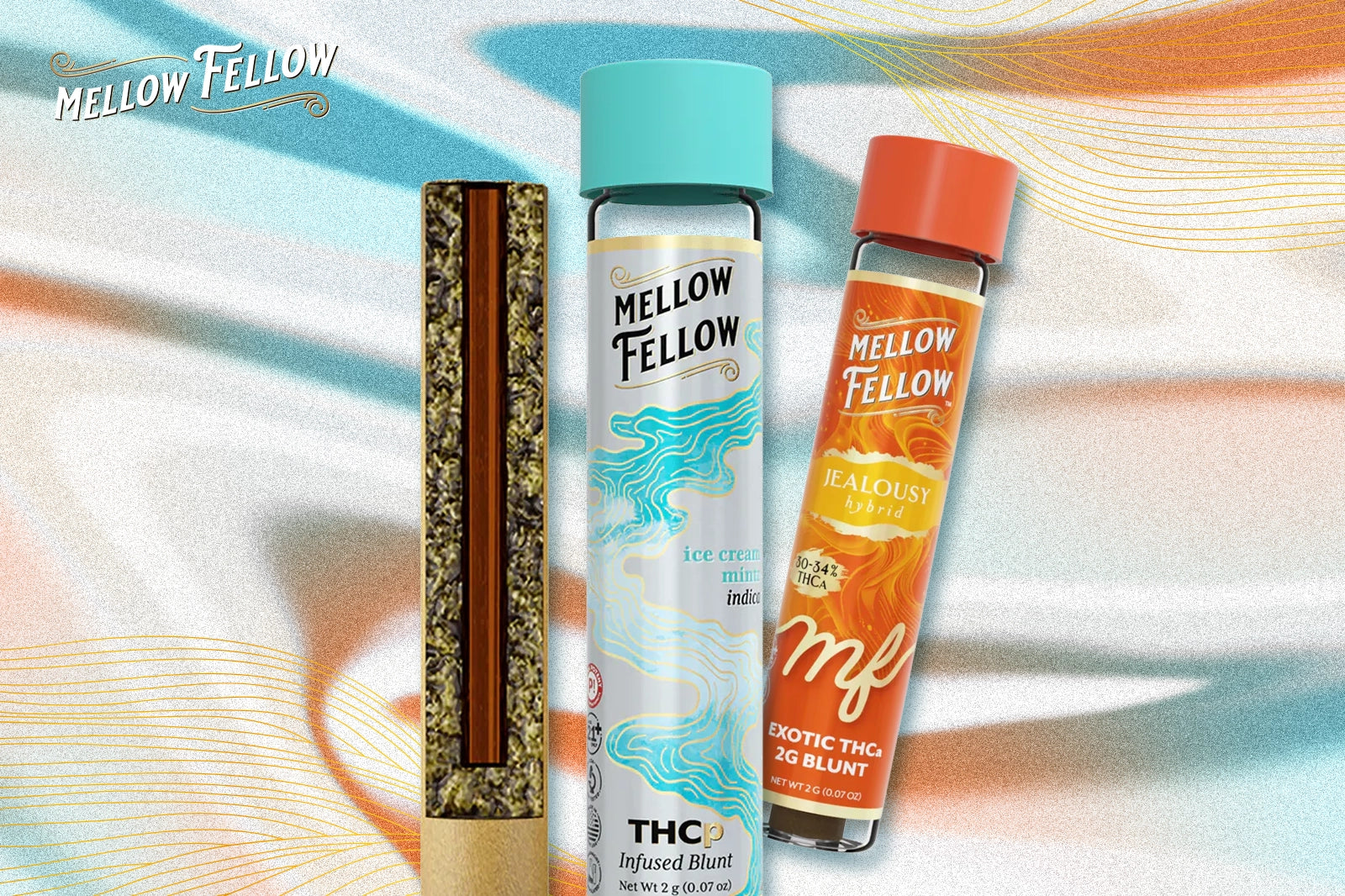
- For a premium infused smoke without the build time, browse Mellow Fellow’s full lineup of infused blunts and pre-rolls.
What Is a Cannagar
A cannagar, short for cannabis cigar, is a hand-crafted smokable made by packing ground or whole-bud flower tightly around a wooden skewer, coating it in concentrate (optional but common), and wrapping the outside in cannabis fan leaves or a hemp wrap. Once the skewer is removed, the hollow center creates an airflow channel that produces a smooth, even draw.
The format originated in Thailand, where traditional cannabis cigars called “Thai sticks” were sun-dried and cured for weeks. Modern cannagars have adapted the concept for home use, with silicone molds and cannagar press kits shortening the process significantly.
A weed cigar is not the same as a blunt. A blunt uses a tobacco or hemp wrap rolled around a single-use portion of ground flower. A cannagar is structurally denser, typically larger, and uses plant-leaf wrapping rather than a paper sheet. For a deeper look at smokable formats, see our joint vs. blunt vs. spliff guide.
Cannagar vs Blunt vs Cigar
|
Feature |
Cannagar |
Blunt |
Tobacco Cigar |
|
Wrap Material |
Cannabis leaf or hemp |
Blunt wrap / tobacco leaf |
Tobacco leaf |
|
Core Fill |
Cannabis flower plus concentrates |
Ground cannabis |
Tobacco filler |
|
Airflow Channel |
Yes (skewer-formed) |
No |
Some |
|
Typical Burn Time |
30 min – 3+ hours |
15-45 min |
30-90 min |
|
Typical Size |
3-28 g |
1-3 g |
Varies |
|
Tobacco Content |
None (if hemp wrap used) |
Some (if tobacco wrap) |
Yes |
The key structural difference is the hollow center. Without that skewer channel, a tightly packed cannabis cigar will draw poorly or not at all. The channel is what separates a cannagar from a very large blunt.
What You Need to Make a Cannagar
Here is everything you need before you start building. Having materials ready before you begin makes the process much smoother.
- 3-7 grams of ground or lightly broken flower (more for larger builds)
- A wooden skewer or dowel, 6-8 inches long
- Cannabis fan leaves or a hemp wrap for the outer layer
- Concentrate for coating, such as rosin, hash, or terpene sauce (optional but common)
- A cannagar mold or press (optional, but improves results)
- Cannabis-safe adhesive like honey or sugar water to seal the wrap
Choosing Your Flower: Dense, sticky strains hold their shape better than dry, crumbly material. Freshness matters – overly dry flower packs loosely and burns unevenly.
Choosing Your Wrap: Cured cannabis fan leaves are traditional and add to the experience. Fresh leaves need to dry slightly before wrapping or they crack. Hemp wraps are more forgiving for beginners.
On Molds and Presses: A cannagar mold is a cylindrical press that compresses flower around the skewer under even pressure. You load the mold, compress, and let it set before releasing. Without one, you hand-pack flower around the skewer and rely on concentrate or moisture to hold the shape. Both work – molds produce more consistent results.
How to Make a Cannagar Step by Step
Follow these steps in order. Rushing the pack or skipping the cure are the two most common reasons a first cannagar doesn’t burn right.
- Prepare Your Materials: Grind your flower to a medium consistency, not powder-fine. If using a cannagar press, lightly coat the inside walls with concentrate before loading.
- Insert the Skewer: Place the wooden skewer centered in the mold or hold it steady by hand. This is the future airflow channel, so keep it straight throughout packing.
- Pack the Flower: Load ground flower around the skewer in small amounts, pressing firmly after each addition. Consistent density throughout prevents air pockets that cause uneven burning or runs.
- Apply Concentrate: Roll the packed cylinder in rosin, hash oil, or terpene sauce. A thin, even coat helps the wrap adhere and adds potency. Too much concentrate on the surface makes the cannagar difficult to light and harsh to smoke.
- Wrap the Outside: Starting at one end, wrap cannabis fan leaves or hemp wrap in an overlapping spiral. Work slowly and keep tension even. Seal the final edge with a light brush of honey or water.
- Cure Before Smoking: Let the cannagar rest for at least 24 hours. 48-72 hours is better. Curing dries the wrap evenly, tightens the structure, and improves burn consistency. A cool, dry space away from direct light works fine.
- Remove the Skewer: Once cured, gently twist and pull the skewer out. You should have a clean hollow channel running through the center.
- Light and Smoke: Toast the foot (the open end) slowly with a lighter or hemp wick, rotating as you go. Even ignition at the start prevents runs. Once lit, the cannagar should burn slowly and steadily.
Skip the Build: Premium Pre-Rolls That Deliver the Same Experience
Not every session calls for a 48-hour project. Mellow Fellow’s infused pre-rolls and blunts bring the same dense, concentrate-infused experience without the cannagar mold, skewer, or curing wait.
THCa Exotic Blunts – hand-crafted 2-gram infused blunts available in strains like:
- Jealousy (Hybrid) – a balanced burn with full flavor
- Mr. Nasty (Indica) – deep, heavy-hitting, slow burn
THCp Infused Blunts – 2-gram blunts infused with THCp for elevated potency:
- Mellow Kush (Sativa) – clear-headed and uplifting
- Ice Cream Mintz (Indica) – smooth, creamy, evening-ready
Browse the full THCp infused blunts collection and the THCa exotic blunts collection for current options. For more on what separates infused pre-rolls from standard options, see our best infused pre-rolls buyer’s guide.
Do You Need a Cannagar Mold
No, but it helps. Hand-packed cannagars work when the flower is sticky, the pack is firm, and the concentrate coat holds things together. The common failure points without a mold are loose packing (causes runs), uneven shape (burns faster on one side), and wrap separation during curing.
A silicone mold or cannagar press solves all three by applying uniform compression. If you plan to make cannagars regularly, the investment in a press pays off quickly. If this is a one-time build, hand-packing with careful technique is a reasonable approach.
You can reuse a cannagar mold. Silicone molds are durable and easy to clean. Rinse with warm water after each use and allow to dry fully before storing.
How Long Does a Cannagar Burn
Burn time depends on three variables: size (grams of flower), pack density, and moisture content of the wrap. The table below gives a general range for each size.
|
Size (Grams) |
Approximate Burn Time |
|
3-4 g |
30-60 minutes |
|
5-7 g |
1-2 hours |
|
10-14 g |
2-4 hours |
|
28 g+ |
4+ hours |
Loose packing cuts burn time and causes uneven runs. Over-wet wraps extend burn time but make the cannagar difficult to keep lit. Optimal moisture is similar to a well-humidified cigar – the wrap holds its shape but has slight flexibility.
Common Cannagar Mistakes
Most cannagar problems trace back to a handful of avoidable errors. Knowing them before you start saves time and flower.
- Packing Too Loosely: The most common issue. Under-packed flower burns fast and runs. Press firmly at every layer.
- Skipping the Cure: A freshly wrapped cannagar has too much moisture. It will be hard to light and will burn unevenly. Give it at least 24 hours.
- Too Much Concentrate on the Surface: A thick exterior coat makes lighting difficult. Apply concentrate to the packed cylinder before wrapping, not as a thick outer shell.
- Using Dry, Crumbly Flower: This packs poorly and falls apart during wrapping. Use fresh, well-cured flower with intact trichomes.
- Pulling the Skewer Too Early: Wait until the cannagar has fully cured and the wrap is set. Pulling too soon can collapse the channel.
How to Store a Cannagar
Store finished cannagars in an airtight container or a cannagar tube, away from direct light and heat. A small humidity pack (58-62% RH) inside the container extends shelf life and keeps the wrap from drying out and cracking. Properly stored, a cannagar holds quality for several weeks.
Build a Better Smoke, or Skip Straight to the Good Part
A cannagar is one of the most impressive ways to turn premium flower into a slow-burning, high-potency session. With the right flower, a centered skewer, an even pack, and enough curing time, you can make a cannabis cigar at home that burns for far longer than a standard joint or blunt.
A mold makes the process easier, but careful hand-packing can still get the job done. And when you want the infused, slow-burning experience without the prep work, Mellow Fellow’s infused blunts and pre-rolls offer a ready-to-light alternative with no wrapping, pressing, or curing required.
Shop Mellow Fellow’s infused blunts and pre-rolls for a ready-to-light alternative to the DIY cannagar build.