
Is a Joint Rolling Machine Worth It? Honest Pros, Cons, and Alternatives

Quick Answer: A joint rolling machine is worth it for most casual and regular smokers. It produces consistent joints faster than hand rolling, costs less than $15 for a reliable manual model, and requires almost no technique to operate. If you roll more than a few joints per week or struggle with hand-rolled results, the payoff is immediate.
Rolling a perfect joint by hand looks easy until you’re dealing with loose ends, uneven burns, and flower spilling everywhere. That’s why joint rolling machines have stuck around for decades. They’re cheap, beginner-friendly, and surprisingly effective for producing consistent joints with almost no practice. The real question is whether they’re worth buying over hand rolling, cone filling, or simply grabbing pre-rolls instead.
Key Takeaways
- A basic manual joint roller costs $5-$15 and produces consistent results within the first few attempts.
- Electric joint rollers and cone-filling machines suit higher-volume use but cost significantly more ($30-$200+).
- Hand rolling gives more control over tightness, shape, and size once mastered, but takes longer to learn.
- Rolling machines work best with dry, evenly ground cannabis and standard rolling paper sizes.
- Pre-rolled options remove the process entirely for users who prioritize convenience over customization.
How a Joint Rolling Machine Works
A manual joint roller, also called a weed rolling machine or joint roller, uses two rubber aprons inside a plastic or metal frame. You place ground cannabis between the aprons, close the device, and roll it a few times before inserting your rolling paper and completing the rotation. The apron tension shapes the paper around the material and seals the joint.
Electric joint rollers automate this motion. You load cannabis into a chamber and press a button. These machines suit daily or high-volume use, though they cost more and require charging or batteries.
Cone-filling machines work differently. Instead of forming a joint from flat paper, you load a pre-made cone with ground material and use a mechanical or vibration-based packer to settle the flower evenly. These are popular for people who prefer cone-shaped pre-rolls over cylinder joints.
Joint Rolling Machine Pros and Cons
Before committing to a weed rolling machine, weigh these points against your actual habits.
Benefits of Using a Weed Rolling Machine
- Consistent diameter and density across every joint without practice
- Faster than hand rolling once you understand the loading step
- Works well for users with limited hand mobility or dexterity issues
- Beginner-friendly with minimal learning curve
- Inexpensive entry point for manual models
Drawbacks to Consider
- Limited to specific paper widths and lengths unless you buy multiple rollers
- Can’t adjust tightness mid-roll the way hand rolling allows
- Electric and automatic models add cost and a potential failure point
- Does not work well with very dry or very moist flower; grind quality matters
- Cone-filling machines require compatible cones, which are an ongoing supply cost
|
Type |
Cost Range |
Learning Curve |
Volume Suitability |
|
Manual roller |
$5-$15 |
Very low |
Casual to moderate |
|
Electric roller |
$30-$100 |
Low |
Moderate to high |
|
Cone filler (manual) |
$10-$30 |
Low |
Moderate |
|
Cone filler (electric/vibration) |
$80-$200+ |
Low |
High |
Joint Roller vs Hand Rolling: Which Is Better?
The honest answer depends on your goals. Hand rolling offers tactile control that machines can’t replicate. Experienced hand-rollers can adjust density, taper the shape, and work with unconventional wraps. Research on motor skill acquisition and deliberate practice shows that manual techniques improve significantly with repetition, but this typically requires weeks of consistent practice before results feel reliable.
A joint roller machine produces a tight, even cylinder from the first attempt. There’s no wasted flower from a failed roll and no lopsided burn. A study on cannabis particle size and joint smoking performance found that grind consistency and pack density directly affect burn rate and evenness – factors a rolling machine controls automatically. For a beginner looking for an easy way to roll joints, the machine wins on results immediately.
For context on what hand rolling requires and where most people make mistakes, the how to roll a perfect joint guide covers grip, tuck, and paper choice in detail.
If you’re deciding between papers, blunts, or other formats, our guide on joint vs blunt vs spliff breaks down the differences in burn time, flavor, and tobacco content.
Do Joint Rollers Work for Cones?
Standard two-apron rollers are built for flat rolling papers, not pre-formed cones. If you want to fill cones, you need a cone-filling machine or a simple funnel-and-pack method. Vibration-based cone fillers distribute ground cannabis evenly and prevent air pockets, which is the main cause of uneven burning.
For higher-volume sessions, a pre-roll cone filling machine saves the most time. For occasional use, a manual cone filler or a simple card funnel works fine.
Automatic Joint Roller vs Manual: Which Should You Buy?
|
Feature |
Manual Roller |
Automatic / Electric Roller |
|
Price |
$5-$15 |
$30-$150 |
|
Setup time |
Under 1 minute |
Under 2 minutes |
|
Joints per session |
1 at a time |
1 at a time or multi-chamber |
|
Portability |
Pocket-sized |
Larger, needs power |
|
Consistency |
High |
Very high |
|
Best for |
Casual or occasional use |
Daily or group use |
For most users, a manual joint roller delivers equal consistency at a fraction of the cost. An electric joint roller makes sense if you’re rolling 10+ joints per session or if hand fatigue is a factor.
When Pre-Rolls Make More Sense Than a Rolling Machine
A joint rolling machine is a tool. It still requires you to grind cannabis, load the machine, and manage the rolling process. For sessions where setup time matters or when you’re away from your usual supplies, a quality pre-roll removes the process entirely.
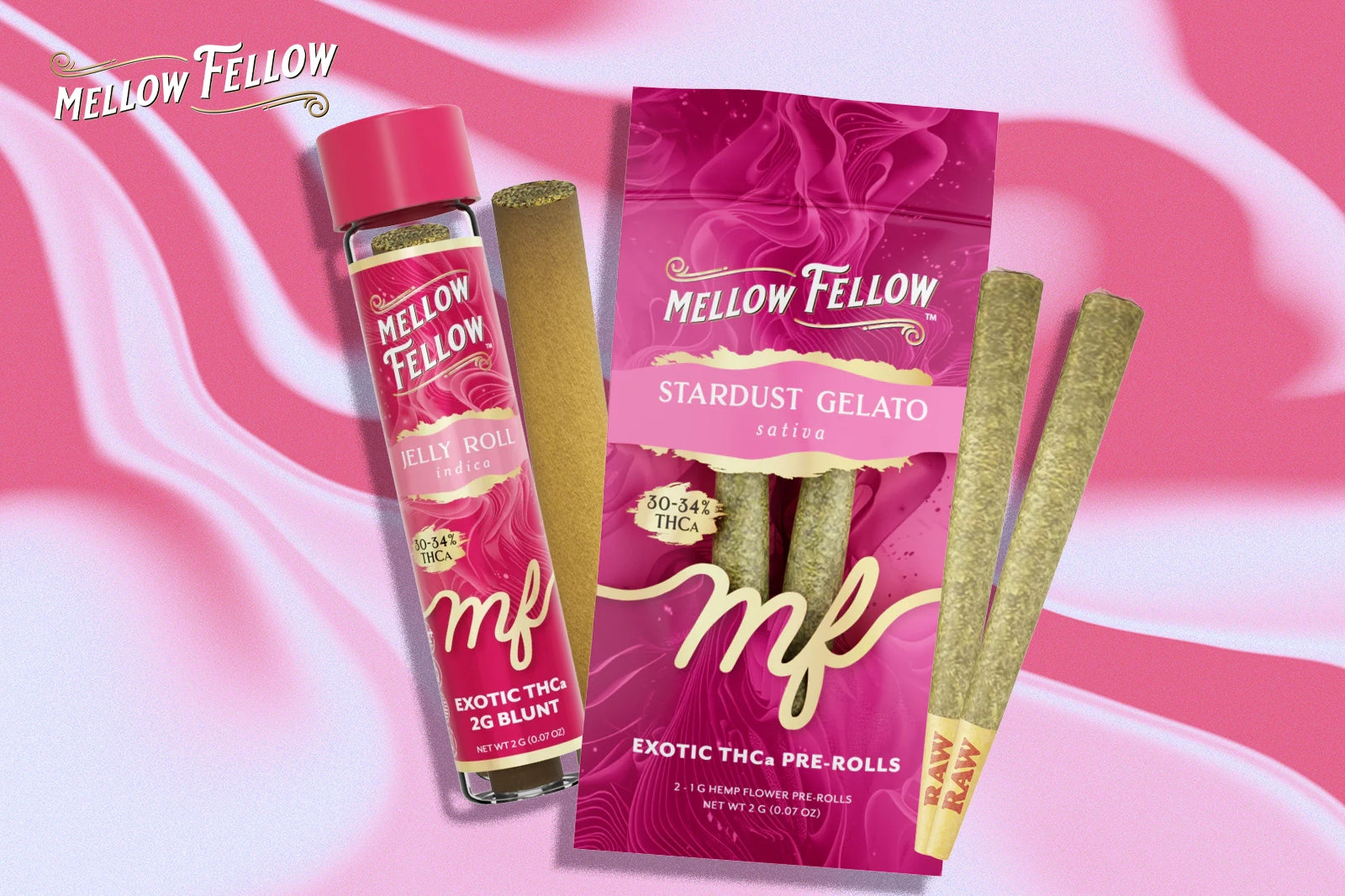
Mellow Fellow’s THCa pre-rolls collection covers single-strain and exotic options for users who want flower with no prep work. If you prefer something more potent, THCp 1g pre-rolls are available for experienced users who know how THCp effects scale at lower volumes – the THCp potency guide is useful background before trying these.
For infused or larger-format options, the 2g pre-rolled blunts collection includes wraps with cannabinoid blends designed for extended sessions.
Specific picks worth noting:
- THCa 2g Private Reserve Exotic Sour Haze Sativa pre-rolls – two-pack, sativa-leaning, lab-tested THCa flower in a ready-to-smoke format
- THCa 1g Luxury Leaf Hybrid pre-roll – single-gram hybrid with a premium leaf wrap for slower, more even burning
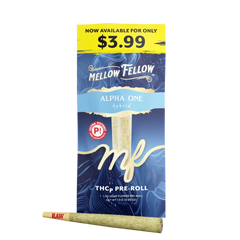
- THCp 1g Alpha One Hybrid pre-roll – THCp-infused, for users who want a stronger effect profile from a single gram
- THCp 2g Infused Blunt Kali Mist Sativa – sativa-forward with THCp infusion, suited for daytime group use
- THCa 2g Infused Exotic Blunt Mr. Nasty Indica – indica-leaning infused blunt with exotic flower profile
- THCp 2g Hash Hole Pre-Rolls – Diamond Daze (Sativa) – potent sativa pre-rolls with zesty citrus flavor and long-lasting effects.
- THCa 2g Hash Hole Pre-Rolls – Daydream (Sativa) – smooth, sativa-leaning pre-rolls with uplifting effects and a stimulating smoke profile.
All products are batch-tested with COA results available at Mellow Fellow’s testing page.
Joint Rolling Tips for Better Results With Any Method
Whether you use a machine or roll by hand, these habits improve output:
- Grind cannabis to a medium-fine consistency. Chunky pieces cause uneven density; powder clogs airflow. Research published in the Canadian Journal of Physiology and Pharmacology on cannabis combustion conditions confirms that pack consistency directly affects how evenly a joint burns.
- Keep moisture in check. Flower that’s too dry crumbles and tears paper; too moist and it won’t burn cleanly. A randomized trial on herbal cannabis characteristics found that humidity level was among the most significant variables affecting user-rated smoking quality.
- Don’t overfill. A rolling machine packed too tight won’t close properly, and a hand-rolled joint with too much flower won’t seal.
- Use the right paper size for your roller. Most manual machines are built for 70 mm (single wide) or 110 mm (king size).
- For cones, load in thirds and tap down between additions to prevent air gaps.
For alternative wrap options when standard papers aren’t available, rolling paper alternatives at home covers safe, practical substitutes. If you prefer blunts over joints, how to roll a blunt walks through the wrap-splitting and rolling steps. For a comparison between hash holes and standard joints, hash hole vs regular joint explains how concentrate-filled joints differ in burn rate and effect.
Browse Mellow Fellow’s pre-roll lineup for lab-tested options when you’d rather skip the rolling process entirely.
Pick Mellow Fellow’s Pre-Rolls for Conveniency
A joint rolling machine is one of those low-cost tools that solves a surprisingly common problem. For beginners, it removes the frustration of uneven joints and wasted flower. For regular smokers, it speeds things up and delivers more consistent results with almost no effort. That said, hand rolling still gives experienced users more control, and pre-rolls remain the easiest option when convenience matters most.
If you’d rather skip the rolling process entirely, browse Mellow Fellow’s lineup of lab-tested THCa pre-rolls, infused blunts, and hash holes for ready-to-smoke options built around flavor, potency, and consistency.
Sources
- Analysis of cannabis smoke obtained under different combustion conditions – PubMed
- Evaluation of herbal cannabis characteristics by medical users: a randomized trial – PMC
- Toward evidence-based nursing education: deliberate practice and motor skill learning – PubMed