
Is Delta 10 Stronger Than Delta 8? Potency Comparison
Quick Answer: Delta 8 is typically 20-30% more potent than Delta 10 THC. Delta 8 delivers approximately 50% of Delta 9’s intensity with relaxing effects, while Delta 10 produces roughly 30-40% of Delta 9’s potency with energizing properties. Individual tolerance, body chemistry, and consumption method all influence your specific experience with each cannabinoid.
The hemp-derived cannabinoid market continues to expand with new cannabinoid options appearing regularly. Delta 8 and Delta 10 stand out as two popular alternatives to traditional Delta 9 THC, but their differences go far beyond simple potency numbers.
Delta 8 THC and Delta 10 THC share nearly identical molecular formulas, differing only in the placement of a single double bond. This minor structural variation creates significantly different experiences: Delta 8 typically provides calming, body-focused effects similar to indica strains, while Delta 10 offers uplifting, cerebral stimulation comparable to sativa varieties.
Key Takeaways
- Delta 8 demonstrates 20-30% greater potency than Delta 10 based on CB1 receptor binding affinity
- Delta 8 generally produces sedating, anxiolytic effects while Delta 10 creates energizing, focus-enhancing experiences
- Both cannabinoids remain federally legal under the 2018 Farm Bill with varying state restrictions
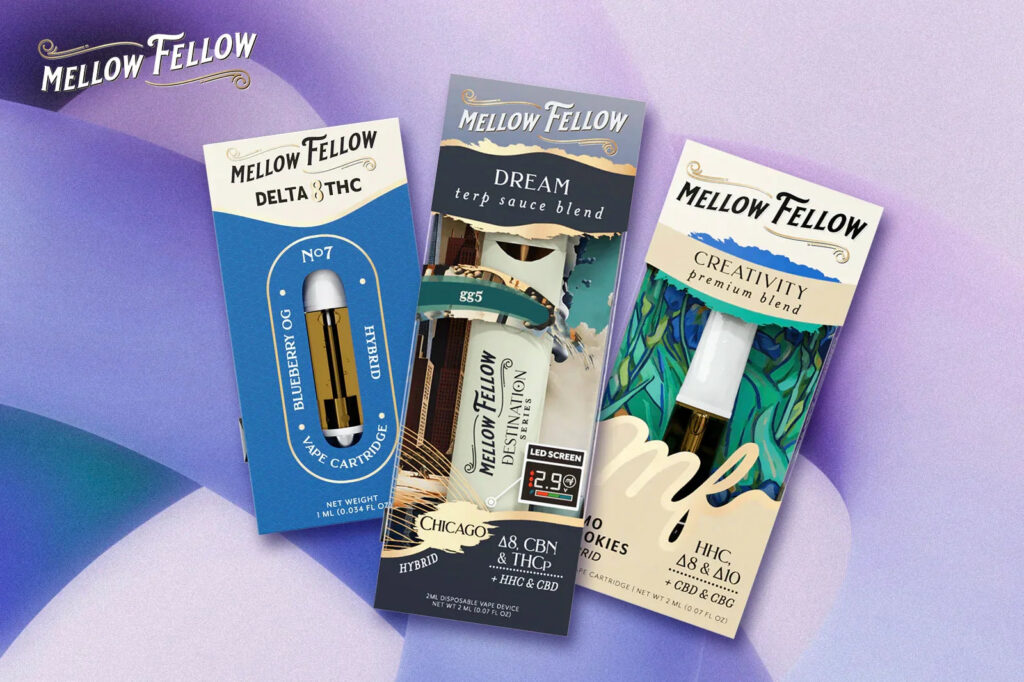
- Pharmacist-formulated blends like Mellow Fellow’s Master Blends optimize cannabinoid ratios for consistent effects
- Individual factors including tolerance and metabolism significantly impact perceived strength
Chemical Structure: How Delta 8 and Delta 10 Differ
Delta 8 THC features its characteristic double bond on the 8th carbon chain, while Delta 10’s appears on the 10th position. This seemingly minor difference creates distinct binding profiles with the endocannabinoid system’s CB1 receptors.
Research on cannabinoid receptor binding shows Delta 8 binds more efficiently to CB1 receptors than Delta 10, explaining the former’s greater psychoactive intensity. Delta 9 THC exhibits the strongest CB1 affinity, with Delta 8 showing approximately 50% of that binding strength and Delta 10 demonstrating roughly 30-40%.
Both cannabinoids exist naturally in cannabis plants at trace concentrations below 1% of total cannabinoid content. Commercial production typically involves isomerization from CBD extracted from industrial hemp, converting the non-psychoactive precursor into the desired THC analog through controlled chemical processes.
Potency Comparison: Delta 8 vs. Delta 10 Strength
When comparing psychoactive intensity, Delta 8 consistently ranks higher than Delta 10. Most consumers report Delta 8 delivers approximately 50% of Delta 9 THC’s potency, while Delta 10 produces about 30-40% of Delta 9’s effects.
This 20-30% potency gap between Delta 8 and Delta 10 manifests differently depending on consumption method:
| Method | Delta 8 Onset | Delta 10 Onset | Duration | Bioavailability |
|---|---|---|---|---|
| Vaping/Smoking | 2-5 minutes | 2-5 minutes | 2-4 hours | 30-40% |
| Edibles | 45-90 minutes | 45-90 minutes | 4-8 hours | 6-12% |
| Tinctures | 15-30 minutes | 15-30 minutes | 3-6 hours | 20-30% |
| Concentrates | 1-3 minutes | 1-3 minutes | 2-5 hours | 40-50% |
Individual tolerance levels create significant variability in perceived strength. Users experienced with Delta 9 THC typically find both Delta 8 and Delta 10 more manageable, while cannabinoid-naïve consumers may experience pronounced effects from either compound.
Effects Profile: Delta 8 vs. Delta 10
Beyond raw potency numbers, the qualitative differences between Delta 8 and Delta 10 create fundamentally different use cases.
Delta 8 THC Effects
Delta 8 users consistently report indica-like characteristics including physical relaxation, mild euphoria, and body-focused sensations.
The cannabinoid’s stronger CB1 binding affinity translates to more pronounced psychoactive effects concentrated on stress reduction and physical comfort.
Common Delta 8 applications include evening use for relaxation, managing occasional sleeplessness, and situations requiring body-focused relief without overwhelming intensity. Products like the the Delta 8 Blueberry OG Vape Cart provide measured dosing for consistent relaxation experiences.

Delta 10 THC Effects
Delta 10 produces sativa-style effects characterized by mental clarity, creative stimulation, and energizing properties. Users describe clear-headed experiences with minimal body sedation, making Delta 10 suitable for daytime activities requiring focus and productivity.
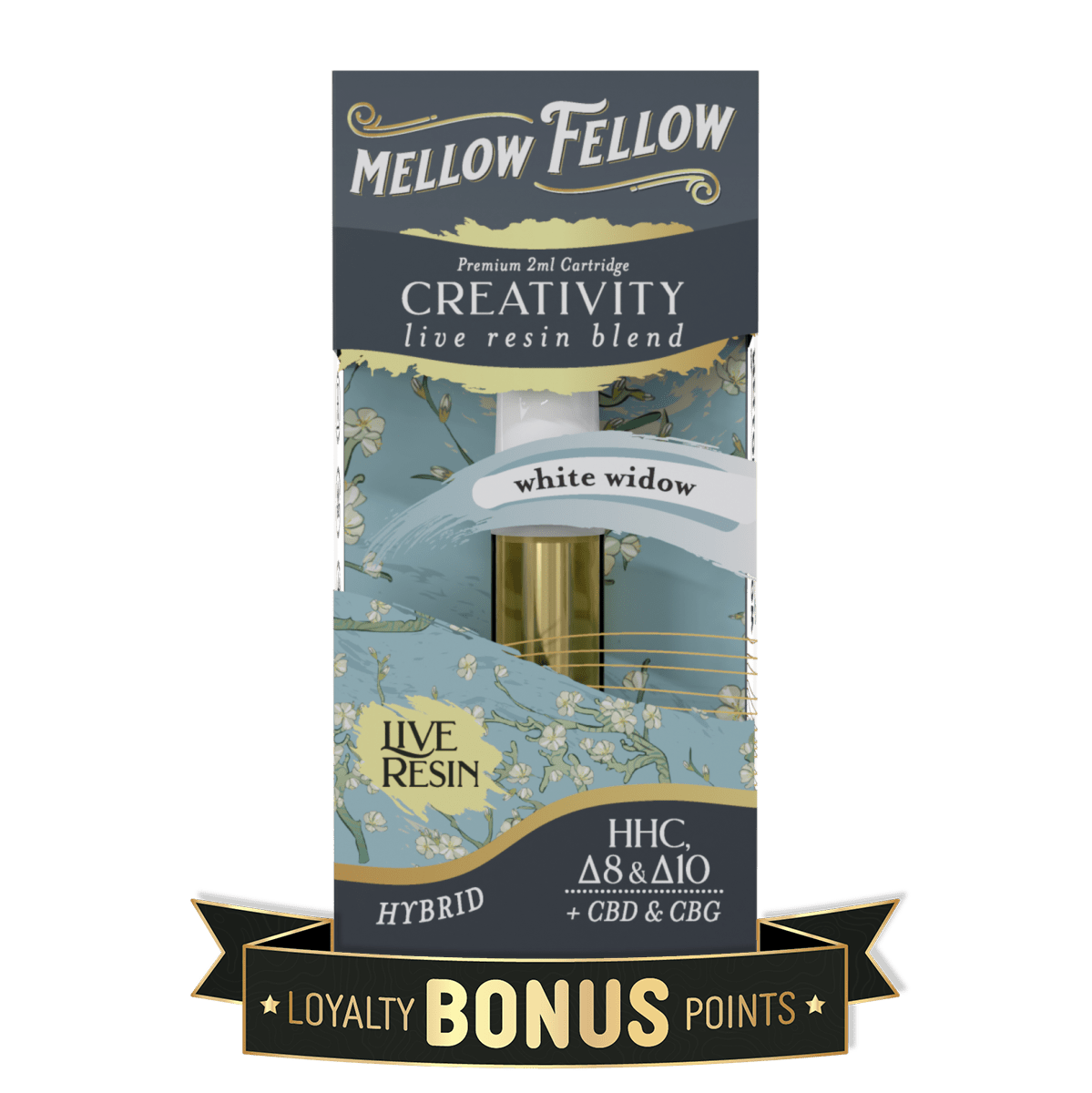
Delta 10 applications center on creative projects, physical activities, social situations, and tasks requiring sustained attention. The cannabinoid’s lighter psychoactive profile reduces anxiety and paranoia risks while maintaining functional cognitive capacity.

Comparing Effects: Which Cannabinoid for Which Situation?
| Situation | Better Choice | Reason | Recommended Product |
|---|---|---|---|
| Evening Relaxation | Delta 8 | Body-focused calming effects | Dream Blend Vape |
| Creative Projects | Delta 10 | Mental clarity without sedation | GMO Cookies |
| Social Situations | Delta 10 | Uplifting without intensity | Euphoria Blend |
| Sleep Support | Delta 8 | Sedative properties | Delta 8 Vapes |
| Daytime Focus | Delta 10 | Energizing cerebral effects | Cajun Kush Vape |
Combining Delta 8 and Delta 10: The Entourage Effect
Many experienced users combine Delta 8 and Delta 10 to balance stimulation with relaxation, creating customized cannabinoid profiles matched to specific needs. This approach leverages the entourage effect, where multiple cannabinoids work synergistically to modulate and enhance each other’s properties.
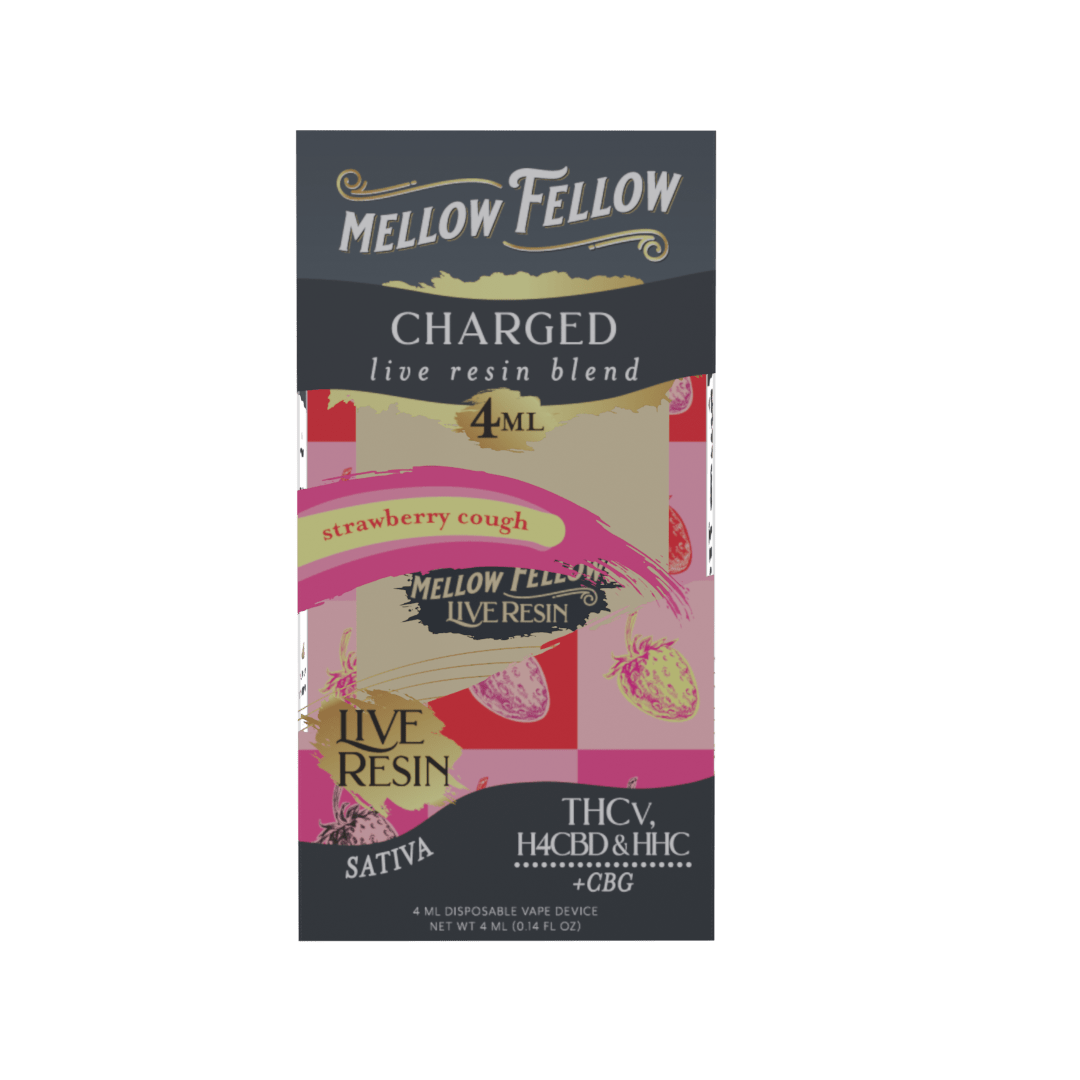
Mellow Fellow’s pharmacist-formulated blends incorporate both cannabinoids alongside complementary compounds like CBG, CBN, and specific terpene profiles. Products like Creativity Blend and Charged Blend demonstrate how strategic cannabinoid combinations create effects greater than individual compounds alone.
Legal Status: Delta 8 vs Delta 10
Both Delta 8 THC and Delta 10 THC qualify as federally legal under the 2018 Farm Bill’s provisions for hemp-derived products containing less than 0.3% Delta 9 THC by dry weight. State-level legislation varies significantly, with some jurisdictions explicitly prohibiting or restricting these alternative cannabinoids.
As of 2025, approximately 17 states have banned or restricted Delta 8 THC, while 11 states specifically prohibit Delta 10 products. Consumers should verify their state’s current hemp cannabinoid regulations before purchasing or possessing these products.
Safety Considerations and Side Effects
Both Delta 8 and Delta 10 generally demonstrate favorable safety profiles at moderate doses. Common side effects include dry mouth, red eyes, increased appetite, and temporary changes in heart rate or blood pressure. Delta 8’s greater potency increases the likelihood of these effects compared to Delta 10.
Drug testing poses concerns for both cannabinoids. Standard THC drug tests cannot distinguish between Delta 8, Delta 9, and Delta 10, as all produce similar THC metabolites. Users subject to drug screening should avoid all THC variants regardless of legal status.
Third-party lab testing remains critical for both cannabinoid types. Manufacturing processes using chemical conversion can introduce contaminants including residual solvents, heavy metals, and synthetic byproducts. Reputable brands publish full-panel Certificates of Analysis (COAs) documenting purity and potency for every product batch.
Product Selection: Finding Quality Delta 8 and Delta 10
Quality varies dramatically across the hemp-derived cannabinoid market. Consumers should prioritize brands demonstrating transparent manufacturing practices, comprehensive testing protocols, and clear product labeling.
Key quality indicators include full-panel COAs from ISO-certified laboratories, clear cannabinoid percentages and ratios, natural terpene profiles without synthetic additives, and detailed product descriptions explaining expected effects. Mellow Fellow maintains these standards across its complete product catalog.
Recommended Delta 8 Products
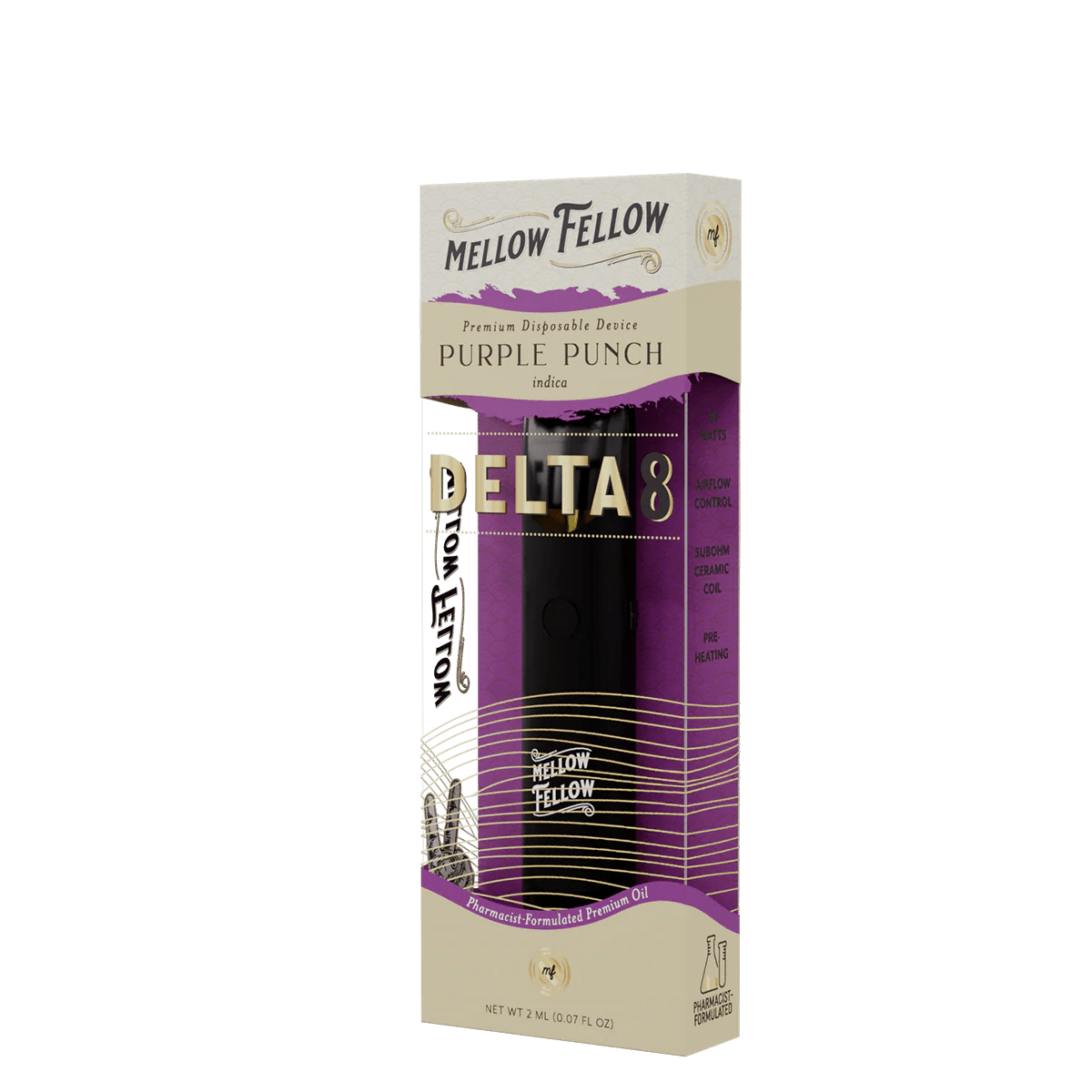
For those seeking Delta 8’s relaxing properties, options include Purple Punch disposable vapes delivering consistent indica-style effects, Delta 8 gummies providing precisely measured edible experiences, and Delta 8 cartridges in various strain profiles for customized relaxation.
Recommended Delta 10 Products
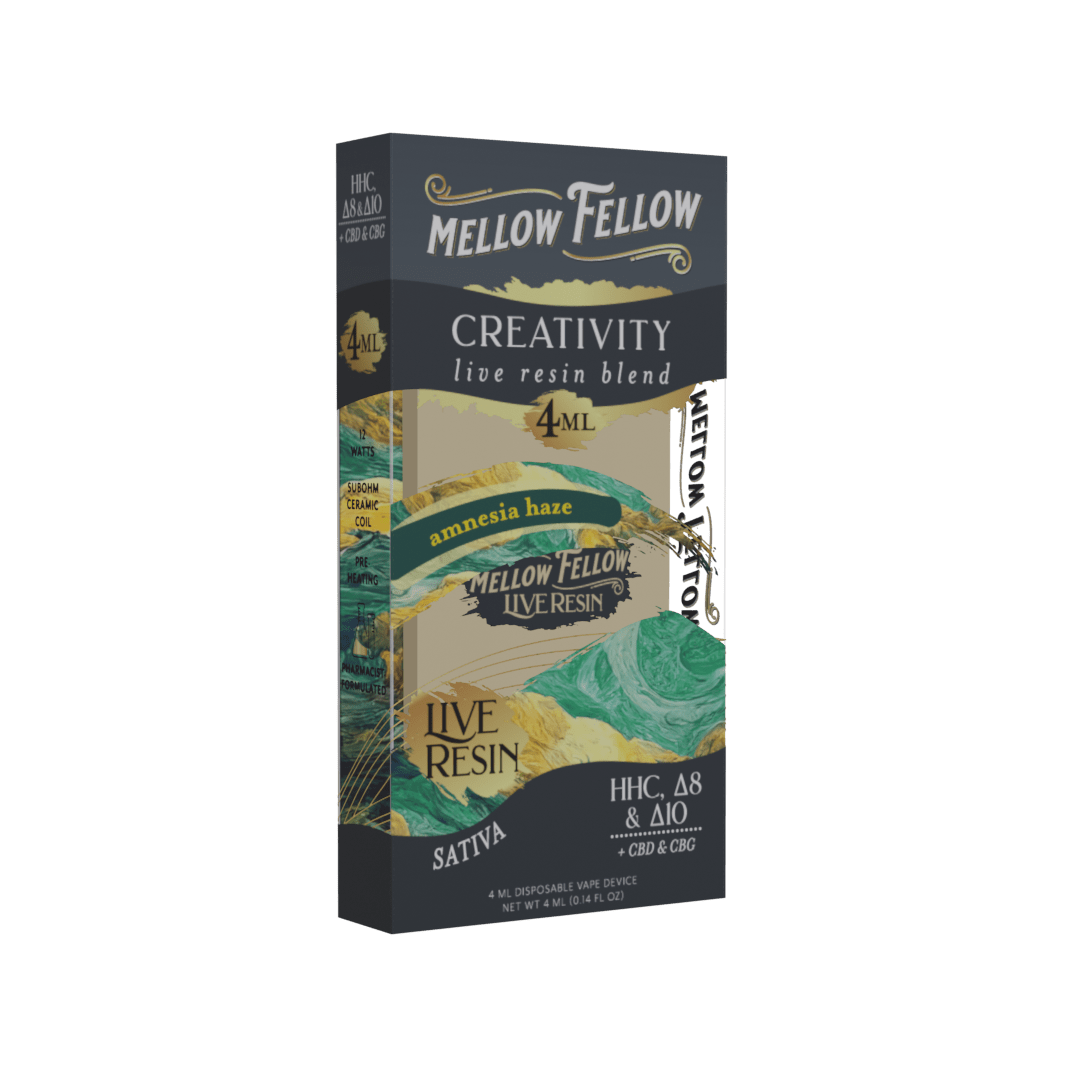
Of course, Delta 10 can be found in many formats, but one of the current fan-favorites is the Creativity Blend 4ml Amnesia Haze Vape – complete with Delta 10, Delta 8, HHC, and other supporting cannabinoids.
Dosing Guidelines: Delta 8 vs. Delta 10
Starting doses should account for each cannabinoid’s different potency levels and individual tolerance factors.
For Delta 8 beginners, initial doses of 5-10mg provide noticeable effects without overwhelming intensity. Experienced users typically consume 15-30mg for moderate effects, while those with established tolerance may use 30-50mg or higher.
Delta 10’s lower potency allows slightly higher starting doses of 10-15mg for beginners, 20-40mg for regular users, and 50-75mg for experienced consumers seeking pronounced effects.
Edibles require particular caution due to delayed onset and longer duration. Start with half the recommended dose when trying new edible products, waiting at least 90 minutes before considering additional consumption.
Market Availability and Pricing
Delta 8 products typically cost 20-30% less than comparable Delta 10 items due to established manufacturing infrastructure and broader market demand. Larger production volumes for Delta 8 allow economies of scale reducing per-unit costs.
Delta 10’s smaller market share and specialized production requirements maintain higher price points. As demand increases and manufacturing processes optimize, pricing gaps between these cannabinoids will likely narrow.
Choosing Between Delta 8 and Delta 10
The question “is Delta 8 stronger than Delta 10” yields a clear answer: yes, Delta 8 demonstrates 20-30% greater potency than Delta 10. However, strength alone doesn’t determine which cannabinoid better suits individual needs.
Delta 8 serves consumers seeking traditional cannabis relaxation without Delta 9’s intensity, managing evening stress, or addressing occasional sleep difficulties. Its body-focused effects and moderate potency make it popular among those transitioning from CBD to psychoactive cannabinoids.
Delta 10 appeals to users wanting clear-headed stimulation, creative enhancement, or daytime functionality with mild psychoactive properties. Its energizing profile and lower potency reduce anxiety risks while supporting productivity and focus.
Many consumers find value in both cannabinoids for different situations. Mellow Fellow’s diverse blend collection incorporates Delta 8, Delta 10, and complementary cannabinoids in pharmacist-optimized ratios, offering customized experiences from energizing to tranquil.
Regardless of choice, prioritize products from transparent brands providing third-party testing, clear labeling, and quality assurance. Start with conservative doses, allowing time to assess individual response before adjusting consumption. Consult healthcare providers before using cannabinoids, particularly when taking medications or managing health conditions.
Frequently Asked Questions
Is Delta 8 or Delta 10 Better for Anxiety Management?
Delta 8 typically works better for anxiety due to its calming, body-focused effects similar to indica strains. Its moderate sedative properties help reduce racing thoughts and physical tension. Delta 10’s stimulating effects may aggravate anxiety in sensitive individuals, though some find its clear-headed properties helpful for social anxiety situations.
Can Delta 8 and Delta 10 Cause You to Fail a Drug Test?
Yes, both Delta 8 and Delta 10 produce THC metabolites detectable on standard drug tests. Most workplace screenings cannot distinguish between Delta 8, Delta 9, and Delta 10, as all break down into similar compounds. Users subject to drug testing should avoid all THC variants regardless of legal status or source.
How Long Do Delta 8 and Delta 10 Effects Last Compared to Each Other?
Duration depends primarily on consumption method rather than cannabinoid type. Both Delta 8 and Delta 10 last 2-4 hours when vaped, 4-8 hours from edibles, and 3-6 hours from tinctures. Individual metabolism affects exact duration, with Delta 8’s stronger effects sometimes perceived as lasting longer due to greater intensity.
Is Delta 10 Really More Energizing Than Delta 8?
Yes, Delta 10 consistently produces more uplifting, cerebral effects compared to Delta 8’s sedating properties. This difference stems from varied receptor binding profiles and metabolic pathways. User reports across multiple platforms confirm Delta 10’s sativa-like stimulation versus Delta 8’s indica-style relaxation.
Which Is Safer: Delta 8 or Delta 10?
Both cannabinoids demonstrate similar safety profiles when sourced from reputable manufacturers. The primary safety concern involves manufacturing quality rather than the cannabinoids themselves. Products lacking third-party testing may contain harmful residual solvents, pesticides, or heavy metals. Always purchase from brands providing full-panel COAs.
Can I Mix Delta 8 and Delta 10 Together Safely?
Yes, combining Delta 8 and Delta 10 is generally safe and creates balanced effects utilizing both cannabinoids’ properties. Many commercial blends intentionally pair these compounds with additional cannabinoids like CBG or CBN for customized experiences. Start with lower doses when combining multiple cannabinoids to assess your individual response.
Does Delta 8 or Delta 10 Work Better for Sleep?
Delta 8 works significantly better for sleep support due to its sedative, body-relaxing properties. Its stronger potency and indica-like effects promote drowsiness and sustained rest. Delta 10’s energizing characteristics make it poorly suited for bedtime use, though some find it helpful earlier in the day to prevent oversleeping.
Why Does Delta 10 Cost More Than Delta 8?
Delta 10 costs more due to lower market demand, smaller production volumes, and more specialized manufacturing requirements. Delta 8’s established market position allows economies of scale reducing production costs. As Delta 10 popularity grows, pricing differences should decrease.
How Do Delta 8 and Delta 10 Compare to Regular Delta 9 THC?
Delta 9 THC demonstrates the strongest psychoactive effects, with Delta 8 at approximately 50% of Delta 9’s potency and Delta 10 at 30-40%. Delta 9 produces the most intense euphoria and psychoactive intensity, while Delta 8 and Delta 10 offer milder, more manageable experiences. Legal status also differs, with Delta 9 federally controlled but Delta 8 and Delta 10 legal under hemp provisions.
Do Delta 8 and Delta 10 Have Different Side Effects?
Side effects are similar between both cannabinoids, including dry mouth, red eyes, increased appetite, and altered cognition. Delta 8’s greater potency increases the likelihood and intensity of side effects compared to Delta 10. Neither should cause severe adverse reactions at appropriate doses in healthy adults.
Sources
- Chemistry, Crystal Structure, and In Vitro Receptor Binding of Δ10-THC Isomers | Cannabis and Cannabinoid Research
- Review of delta‐8‐tetrahydrocannabinol (Δ8‐THC): Comparative pharmacology with Δ9‐THC – Tagen – 2022 – British Journal of Pharmacology – Wiley Online Library
- Cannabis-derived products like delta-8 THC and delta-10 THC have flooded the US market – USC News & Events | University of South Carolina
Leave a Reply