
How to Use a Rolling Tray: Setup, Rolling Tips, and Better Sessions
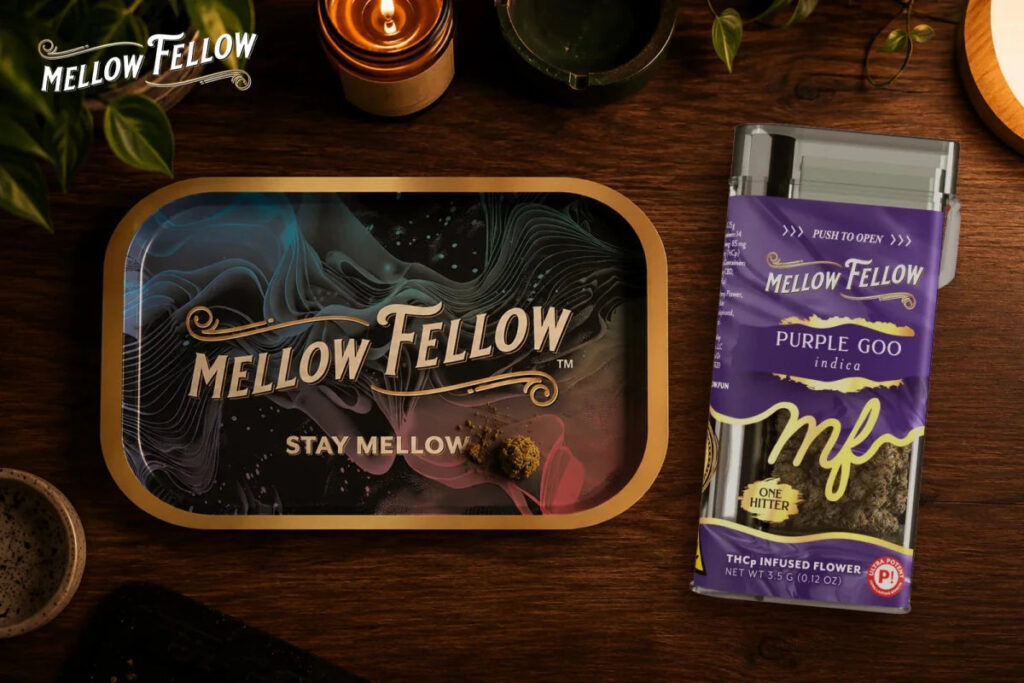
Quick Answer: A rolling tray is a flat, rimmed surface that keeps herb, papers, and gear organized while you roll. To use one, set it on a stable surface, arrange your supplies within reach, grind your flower over the tray to catch every bit of material, then roll directly on the surface so nothing falls off the edges.
Rolling is part ritual, part skill. A good tray does not just keep things tidy – it changes how you roll. Smaller sessions become less messy. Bigger ones, like loading a hash hole or packing an infused pre-roll, stay manageable. Whether you are new to rolling or switching from a book cover and a prayer, this guide covers how to get the most out of a rolling tray: what to put on it, how to use it, and a few habits that separate a clean roll from a frustrating one.
Key Takeaways
- Set up your tray before grinding – sequence matters for a clean, efficient session.
- Keep grinder, papers, filter tips, and a poker within arm’s reach on the tray at all times.
- Grinding directly over the tray recovers loose material that would otherwise be lost.
- Flat, low-friction tray surfaces help papers hold their shape while you roll.
- Using quality flower – like THCa exotic flower or THCp flower – makes the rolling process smoother because consistent grind size matters.
- Pre-rolls and hash holes skip the setup entirely while still delivering a premium smoke.
What a Rolling Tray Does
A rolling tray is a rimmed, flat platform – usually metal, wood, or plastic – sized to hold your rolling supplies in one place. The raised edges trap loose ground flower and stray papers. The flat center gives you a controlled surface to shape and seal a joint or blunt.
That sounds simple, but the difference between rolling on a tray and rolling on a random surface is real. Countertops have seams and textures that snag papers. Books flex. Laps are unpredictable. A tray stays flat, and flat means consistent.
Trays also carry a practical use beyond rolling: they double as a staging area for inspecting flower, breaking up larger pieces by hand, or packing a bowl. If you roll infused pre-rolls or anything with a hash core, the tray catches the extra material that would otherwise scatter.
How to Set Up a Rolling Tray Before You Roll
Good setup takes about thirty seconds and saves several minutes of hunting for a filter tip or chasing loose herb off the edge of whatever surface you improvised.
- Step 1: Find a stable, level surface. Coffee tables, desks, and countertops work. Soft surfaces like beds or couches let the tray shift mid-roll.
- Step 2: Place your tray flat and check that the rim is intact. A bent corner on a metal tray creates a gap where material escapes.
- Step 3: Lay out your rolling supplies. Standard setup: grinder, rolling papers or wraps, filter tips or a crutch, a small poker or pen, and your flower. Keep them within a short reach so your hands stay over the tray.
- Step 4: Load the grinder, then grind over the tray. Holding the grinder above the tray means any overflow lands on the surface instead of the floor. Once ground, open the grinder bottom chamber and deposit the material into the center of the tray.
- Step 5: Keep the tray clear of non-rolling items. Phones, drinks, and lighters not in use belong off the tray. Clutter narrows your working space and increases the chance of knocking material over the rim.
How to Roll on a Tray: Technique by Format
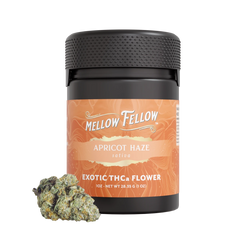
A rolling tray gives you a flat, controlled surface to shape, fill, tuck, and recover loose flower, but the right technique changes depending on whether you are rolling a joint, blunt, or infused pre-roll.
Rolling a Joint on a Tray
Fold your rolling paper lengthwise with the glue strip facing you at the top. Distribute ground flower evenly across the paper – a consistent line from end to end prevents lumpy draws. Place a filter tip at one end before you start shaping.
Use your thumbs and forefingers to roll the paper back and forth until the flower compresses into a cylinder. Tuck the non-glue edge under, roll it up toward the glue strip, lick the strip lightly, and seal.
The tray surface supports the paper while you work, which matters most during the tuck step when beginners tend to lose their shape. For a deeper look at technique, our guide to rolling a perfect joint covers paper selection, density, and seal tips in full.
Rolling a Blunt on a Tray
Blunt wraps are thicker and less forgiving than rolling papers. Warm the wrap slightly – running a lighter quickly underneath softens it without burning. Lay it on the tray, fill it with ground flower from end to end, and use the tray surface to press and shape as you roll. Lick the edge slowly and seal with even pressure. Our how to roll a blunt guide has a step-by-step with troubleshooting for cracked wraps.
Building an Infused Pre-Roll or Hash Hole on a Tray
Infused rolls need more prep room than a standard joint. If you are working with concentrate or a hash core, the tray becomes essential – there is simply too much material to manage on an improvised surface.
For a hash hole, you build a snake of hash or rosin and place it inside the flower core before rolling. Any overflow concentrate lands on the tray where you can recover it. Our hash hole rolling guide covers the core-building step in detail, and our infused pre-roll guide explains the different infusion methods and what each adds to the experience.
Choosing Flower for Your Tray Sessions
The rolling process is only as good as the material you start with. Consistent grind, good moisture content, and even density all affect how well a joint or blunt holds together and draws. Dry flower crumbles and burns fast; sticky or overly moist flower clogs and runs.
What to look for in flower for rolling:
- Consistent moisture – not bone dry, not wet. Research published in PMC found that optimal cannabis storage conditions preserve both terpene and cannabinoid content, with humidity, temperature, and light exposure all playing a role in quality retention
- Dense enough to compress without turning to powder
- Even trim so you are not fighting stems and seeds mid-roll
- A grind size that fills paper evenly (medium grind for most joints, slightly coarser for blunts)
A separate study in the Journal of Cannabis Research demonstrated that airtight storage preserves terpene content in cannabis inflorescence more effectively than open or loosely sealed containers – a finding directly relevant to keeping flower in good condition between rolling sessions.
Mellow Fellow’s exotic THCa flower 1 g sachets are a clean starting point if you want flower that rolls well without extra prep. The Gary Payton hybrid sachet is a popular pick for its balance of structure and grind consistency. For a variety session, the 1 g sachet sampler 6-pack lets you compare profiles across multiple strains on the same tray.
If you prefer larger quantities, the 3.5 g exotic flower line gives you more to work with per session. The Apricot Haze sativa 1 oz jar is well-suited to daytime rolling sessions, while California Gold indica works for evening use. Both roll cleanly on a tray.
For something with a different cannabinoid profile, the THCp exotic flower 3.5 g one-hitter jars are worth knowing about. Fire Haze sativa and Purple Goo indica both grind to an even consistency that holds its shape well on a rolling paper.
THCa is a non-psychoactive cannabinoid in raw flower that converts to THC through heat during combustion. A peer-reviewed kinetic study published in Industrial & Engineering Chemistry Research confirms that THCa decarboxylates following first-order kinetics – the conversion rate depends on both temperature and time, with THCa showing the fastest decarboxylation rate among acidic cannabinoids. A separate PubMed study using supercritical fluid chromatography found that THCa-A decarboxylation follows a pseudo-first-order reaction and is complete at 160°C, which is well below the temperatures produced by a standard lighter during smoking.
Rolling Tray Sizes and Surfaces: What to Know
|
Tray Size |
Best For |
Typical Dimensions |
|
Small (mini) |
Single joints, quick solo sessions |
~7 × 5 in |
|
Medium |
Standard sessions, small supplies |
~11 × 7 in |
|
Large |
Blunts, infused rolls, group sessions |
~14 × 11 in |
|
Extra large |
Full prep station, multiple rolls |
~18 × 12 in |
Surface material matters for a different reason than size. Metal trays are the most common: they are flat, easy to clean, and resist staining. Wood trays add grip, which some rollers prefer for the paper-tucking step. Silicone trays have a non-stick quality useful when working with concentrate overflow. Glass is attractive but heavy and fragile.
For infused sessions – loading THCa hash hole pre-rolls or working with concentrate on a tray – a silicone or smooth metal surface makes cleanup straightforward.
Tray Accessories That Improve a Rolling Session
- Grinder: A two- or four-piece metal grinder gives a consistent medium grind. Four-piece designs with a kief catcher add value over time – the fine material collects in the bottom chamber and can be added to a joint on the tray for extra potency.
- Filter Tips or Crutch Material: Pre-cut filter tips sit in the tray’s corner until you need them. Folding a crutch is easier when you have the flat tray surface to work on.
- Poker or Toothpick: Use a thin poker to adjust density after rolling – gently tapping down from the open end compresses a loose fill. A loose joint draws well but burns fast; a slightly denser pack burns slower and more evenly.
- Rolling Machine: A small hand roller clips onto the tray surface for those who want mechanical consistency. It speeds up rolling when producing multiple joints.
- Storage: Keep a small airtight tin or jar on the tray for short-term flower storage. This keeps moisture stable between uses.
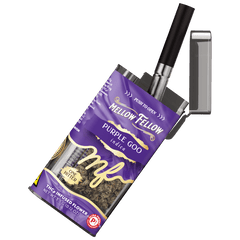
Pre-Rolls: The Tray-Free Option
Rolling takes practice, and there are plenty of sessions where the time or patience for rolling is not there. That is what pre-rolls are for.
Mellow Fellow’s THCa pre-roll collection covers a range of formats and potency levels without any tray work required. The THCa 2 g hash hole pre-roll in Grape Ape OG indica is the tray-experience in pre-made form – a hash core inside flower, no setup needed. For a premium session with less prep, the THCa 2 g Private Reserve Exotic Royal Kush hybrid 2-pack delivers consistent quality across two rolls.
The THCp pre-roll collection offers a different profile for those familiar with THCp’s stronger effect curve. Our guide to smoking an infused pre-roll covers how to light, pace, and store pre-rolls to get the most out of them.
Keeping Your Rolling Tray Clean
A clean tray rolls better. Residue and fine material build up quickly, especially after working with kief or concentrates.
Basic cleaning steps:
- After each session, brush loose material to the center and store it in a small tin
- Wipe the tray surface with a dry cloth to remove dust and fine particles
- For metal trays with residue, a small amount of isopropyl alcohol on a cloth removes buildup without damaging the surface
- For wood trays, avoid alcohol and use a dry or slightly damp cloth only
- Keep the tray covered or stored face-down when not in use to prevent dust from settling on the surface
Regular cleaning takes about a minute and keeps the tray surface smooth and flat – both of which matter for consistent rolling.
Common Rolling Tray Mistakes
|
Mistake |
What Happens |
Fix |
|
Grinding over an uneven surface |
Flower scatters beyond the tray rim |
Grind directly above the tray center |
|
Overfilling the paper |
Uneven roll, tears during tuck |
Fill to 80% capacity and adjust before rolling |
|
Rolling on a soft or textured surface |
Paper crumples, seam tears |
Use a flat, rigid tray surface only |
|
Skipping the filter tip |
Loose herb in the mouth, weak seal at the end |
Set the tip before filling the paper |
|
Storing wet flower on the tray |
Mold, sticking papers, poor draw |
Keep flower in an airtight container |
|
Cluttered tray |
Less working space, items knock into the roll mid-process |
Clear everything non-essential before you start |
Conclusion
A rolling tray is one of those tools that seems basic until you use one consistently. The setup takes seconds. The payoff – recovered flower, cleaner rolls, less mess – adds up across every session. Whether you prefer to roll from scratch with exotic THCa flower or reach for a pre-made hash hole pre-roll, the tray keeps the process organized and the surface flat.
If you roll often, invest in a size that fits your format. Medium trays handle most sessions. Large trays earn their space when you are rolling infused joints or working with concentrate. Keep it clean, keep it flat, and the rest follows from good technique.
Browse the full THCa exotic flower collection and THCa pre-roll lineup to find flower and formats worth putting on the tray.
Sources
- Decarboxylation Study of Acidic Cannabinoids: A Novel Approach Using Ultra-High-Performance Supercritical Fluid Chromatography/Photodiode Array-Mass Spectrometry – PMC
- Cannabinoid Decarboxylation: A Comparative Kinetic Study | Industrial & Engineering Chemistry Research
- The preservation and augmentation of volatile terpenes in cannabis inflorescence – PubMed
- Metabolic Profiling of Cannabis Secondary Metabolites for Evaluation of Optimal Postharvest Storage Conditions – PMC