
Does Weed Help with Hangovers?
Quick Answer: Weed may help manage specific hangover symptoms. THC activates CB1 receptors in the brain that suppress nausea signals and modulate pain perception, while CBD reduces inflammation and anxiety through separate pathways. Neither cannabinoid cures a hangover – alcohol still has to clear your system on its own timeline – but for experienced users with an established tolerance, cannabis for hangovers can meaningfully reduce how bad the morning after feels.
Weed for hangovers has become one of the more common cannabis use cases people ask about, and for a sensible reason. The morning after a night of heavy drinking brings a predictable cluster of symptoms: nausea, headache, anxiety, fatigue, and general misery. Cannabis interacts with the same body systems that alcohol disrupts, which is why a growing number of people reach for a vape or a gummy alongside their morning glass of water.
This guide covers the science behind why cannabis may help, how THC and CBD target different hangover symptoms, which formats work fastest, what the risks are, and how to choose the right products for recovery-day use. If you are new to edibles and considering them for the first time on a hangover morning, read 5mg of THC compared to smoking before committing to any dose – edibles behave very differently from inhaled cannabis.
Key Takeaways
- Hangovers are primarily driven by systemic inflammation from alcohol-induced oxidative stress – not just dehydration.
- THC activates CB1 receptors in the dorsal vagal complex, reducing nausea signals and modulating pain perception.
- CBD reduces hangover inflammation and anxiety through its anti-inflammatory and 5-HT1A receptor pathways, without a psychoactive high.
- Onset speed matters: vapes and disposables act within 5-15 minutes; edibles take 45-90 minutes but last much longer.
- High-tolerance users may benefit from THC-containing products; lower-tolerance users are better served by CBD-dominant or microdose formats.
- Mixing weed and alcohol at the same time significantly increases THC blood levels and amplifies impairment – this is different from using cannabis the morning after drinking.
- Ready to find the right product for your recovery day? Browse Mellow Fellow’s live resin disposables, wellness edibles, and drinks collection to get started.
What a Hangover Does to Your Body
Most people assume a hangover is mostly about dehydration and a bad night’s sleep. The reality is more complex – and understanding it helps explain why cannabinoids can actually address some of the root causes rather than just masking discomfort.
Hangovers Are an Inflammatory Event
Before asking whether cannabis can help, it helps to understand what a hangover actually is. The morning-after experience is not just dehydration, though fluid loss plays a role. Research published in Alcohol, Clinical and Experimental Research redefines hangovers as a manifestation of systemic inflammation driven by oxidative stress, gut permeability changes, and endotoxin release following heavy alcohol consumption.
When alcohol breaks down in the liver, it produces acetaldehyde – a toxic intermediate that generates free radicals and triggers an inflammatory cascade. Research on the inflammatory response to alcohol shows that biomarkers of inflammation, including IL-6, TNF-α, and C-reactive protein, rise significantly after drinking and remain elevated for over 12 hours. Oxidative stress markers correlate directly with hangover severity: the worse the inflammatory damage, the worse you feel.
Why This Matters for Cannabis Use
This inflammatory framing shapes which cannabis compounds may be most useful and why. THC and CBD both interact with inflammation – just through different mechanisms. THC primarily targets the nausea and pain side through CB1 receptor activity, while CBD targets the underlying cytokine-driven inflammation and rebound anxiety. Understanding both pathways helps you choose the right product for your specific symptoms.
THC for Hangover Nausea and Headaches
THC is the compound most people picture when they think about weed for hangovers. Its antiemetic and analgesic properties are well-documented, and for experienced users, it can provide meaningful relief for two of the most disruptive hangover symptoms: nausea and headache.
How THC Suppresses Nausea
Nausea is one of the most disabling hangover symptoms, and THC has a well-documented antiemetic profile. Research in Cannabis and Cannabinoid Research confirms that THC activates CB1 receptors in the dorsal vagal complex – the brain region that coordinates the vomiting reflex – which suppresses nausea signals and slows gastric motility.
This mechanism is not theoretical. Two oral cannabinoid formulations (dronabinol and nabilone) are FDA-approved antiemetic drugs used in oncology settings, and their antiemetic action relies on the same CB1 activation that recreational THC triggers.
The Dose-Dependence Caveat
A critical caveat exists here. Research published in Neurogastroenterology & Motility shows that low CB1 agonist doses are antiemetic, while high doses can paradoxically provoke nausea. This is a strong argument for starting very low on recovery days, particularly with high-potency products.
THC for Hangover Headaches
Does weed help with hangover headaches? The evidence is more limited but points in a useful direction. THC interacts with cannabinoid receptors that modulate pain signaling pathways, and alcohol-driven headaches involve the same inflammatory cytokine activity described above. THC’s interaction with pain-modulating receptors may blunt that effect for experienced users.
Why Fast-Acting Formats Matter Here
For headache relief specifically, format matters enormously. If you need relief in the next 15 minutes, a vape is far more practical than an edible. Mellow Fellow’s live resin disposable vapes deliver onset within minutes with a range of strain profiles suited to different recovery needs. The Dream Blend Granddaddy Purp 4ml Live Resin Disposable is a popular indica-leaning option among users who want a calm, heavy body experience for hangover recovery.
CBD for Hangover Relief: The Non-Psychoactive Option
CBD is worth serious consideration as a hangover tool – particularly for people who want symptom relief without the psychoactive effect of THC, or who are sensitive to THC-induced anxiety. Its mechanisms are distinct from THC, and for certain hangover symptoms it may actually be more consistent and better tolerated.
CBD’s Anti-Inflammatory Action
CBD works through different pathways than THC and is a strong option for people who want hangover relief without any psychoactive effect. Research on CBD’s antioxidative and anti-inflammatory properties shows that CBD reduces production of pro-inflammatory cytokines including IL-6 and TNF-α – the same inflammatory mediators that alcohol elevates during a hangover. CBD also demonstrates antioxidant properties that may help address the oxidative stress component of alcohol’s aftermath.
A review on CBD’s neuroprotective effects further confirms that CBD downregulates the NF-κB signaling pathway, a central driver of inflammatory cascades in alcohol-exposed tissue.
CBD for Hangover Anxiety
For hangover anxiety – the familiar post-drinking dread sometimes called “hangxiety” – CBD’s interaction with serotonin receptors is particularly relevant. Research published in Pain demonstrates that CBD activates 5-HT1A receptors, producing anxiolytic effects that reduce anxiety and emotional sensitivity. This pathway is separate from THC’s mechanism and avoids the risk of THC-induced anxiety that can occasionally occur at higher doses.
CBD Products Worth Considering
Several products in the Mellow Fellow wellness range are well-matched to the specific relief profile most hangover sufferers are looking for.
Mellow Fellow’s wellness edibles collection is built around targeted, non-psychoactive relief:
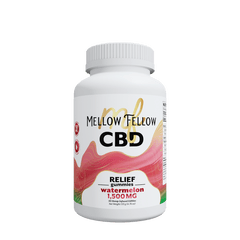
- The Relief CBD Gummies 1500mg Watermelon provides a substantial CBD dose in an easy-to-take format.
- The Illuminate Blend Softgel Capsules 600mg offer pre-measured doses with no flavor – useful when your stomach is already unhappy.
- The Burn Blend Wellness Gummies 300mg combines CBD with other wellness-forward cannabinoids for a multi-target recovery profile.
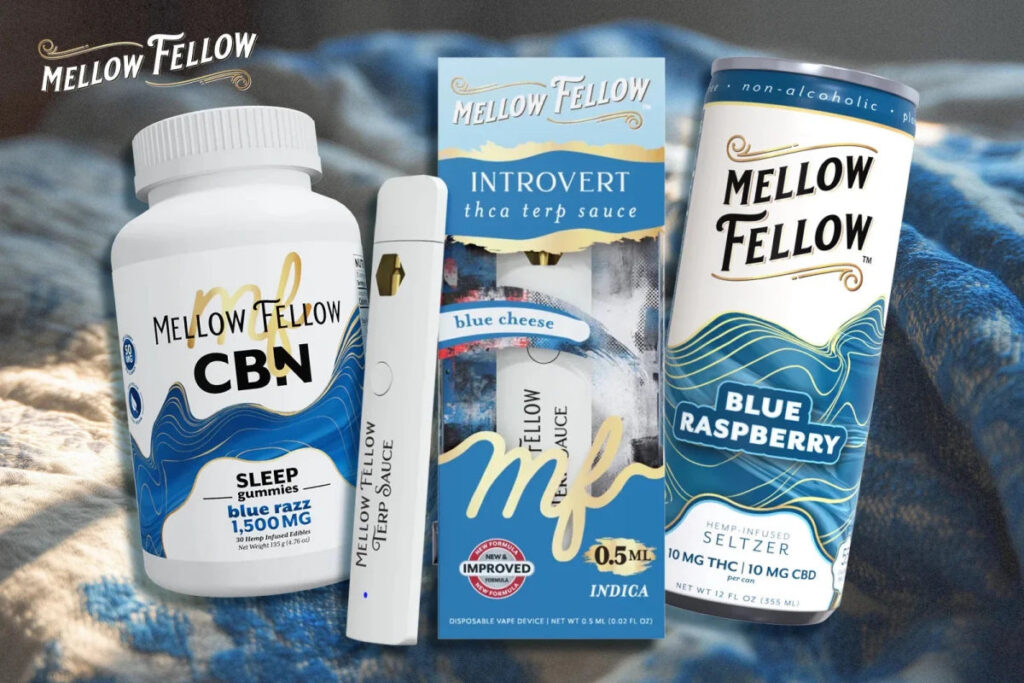
- The Sleep CBN Gummies 1500mg Blue Razz is worth considering for hangovers that leave you fatigued but unable to rest comfortably.
CBD vs. THC for Hangovers: A Direct Comparison
The right choice between CBD and THC for hangover recovery depends on your tolerance, primary symptoms, and how much impairment you are comfortable with on a recovery day.
|
Factor |
THC |
CBD |
|
Nausea relief |
Strong (CB1 receptor activation) |
Moderate (anti-inflammatory, antiemetic) |
|
Headache relief |
Moderate (pain receptor modulation) |
Moderate (anti-inflammatory) |
|
Anxiety relief |
Variable – can reduce or increase |
Consistent anxiolytic via 5-HT1A |
|
Psychoactive effect |
Yes |
No |
|
Best format for fast relief |
Vape or disposable |
Gummy, tincture, or capsule |
|
Suitable for beginners |
No – start very low |
Yes |
|
Risk of worsening nausea |
Yes at high doses |
Low |
For most experienced users, a combination approach tends to work best: a low-dose THC vape for immediate nausea and headache relief, paired with a CBD product for sustained anti-inflammatory support throughout the day.
Weed After Drinking vs. Mixing Weed and Alcohol
How you combine weed and alcohol matters enormously – both for safety and for the quality of your recovery. The timing of use changes the pharmacology entirely, and confusing the two scenarios leads to poor decisions.
The Key Distinction
An important point that often gets lost in hangover discussions is the difference between using cannabis the morning after drinking versus mixing weed and alcohol at the same time.
Using cannabis when alcohol has cleared your system is a fundamentally different physiological situation from combining the two in real time. When you use weed and alcohol simultaneously – a practice commonly called “crossfading” – the interaction amplifies the intoxicating effects of both substances.
The Pharmacology of Simultaneous Use
A controlled study published in Drug and Alcohol Dependence found that alcohol significantly increases plasma THC levels and intensifies the subjective effects of cannabis. A review of cannabis and alcohol co-use patterns further confirms that simultaneous use is associated with greater impairment, longer duration of intoxication, and more negative consequences than either substance alone.
Simultaneous use also significantly increases the risk of dizziness, vomiting, impaired coordination, and motor vehicle accidents. This combination carries meaningful risks regardless of individual tolerance.
Morning-After Use Is Different
Using cannabis when blood alcohol concentration has returned to near zero does not carry those same interaction risks. You are addressing the inflammatory and symptomatic aftermath of alcohol metabolism rather than stacking two intoxicants simultaneously. That said, if you are still experiencing any residual effects from alcohol – mild dizziness, lingering impairment – wait until you feel fully clear before adding cannabis to the situation.
Indica or Sativa for Hangovers? Choosing the Right Profile
Not all cannabis products are equally suited to hangover recovery. The strain profile you choose shapes whether the experience helps or makes things harder, particularly when it comes to nausea, anxiety, and fatigue.
Understanding the Difference
Strain profile choice for hangover recovery is more meaningful than it might seem. The indica/sativa framework is simplified, but the underlying terpene and cannabinoid differences between product profiles translate to real experiential differences.
Indica-leaning profiles tend to produce heavier body relaxation, reduced pain sensitivity, and sedation. Terpenes like myrcene, common in indica-leaning strains, carry mildly analgesic and relaxing properties. These profiles work well for hangover days when rest, headache management, and anxiety reduction are the goals.
Sativa-leaning profiles produce more energizing, cerebral effects. For mild hangover symptoms on a day when you need to function, this can be useful. For severe nausea or headaches, stimulating sativa effects can be too much.
Hybrid profiles sit in between and are often the most practical recovery-day choice, offering body-level pain and nausea relief without full couch-lock sedation.
Recommended Products by Profile
The following Mellow Fellow products map well to the strain profiles described above, depending on how severe your symptoms are and whether rest or function is the goal.
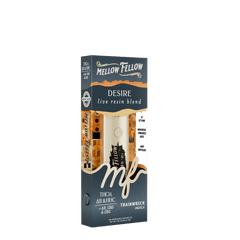
- Indica for Deep Recovery: The Desire Paris Trainwreck Indica 1ml Live Resin Disposable delivers a smooth, body-focused experience.
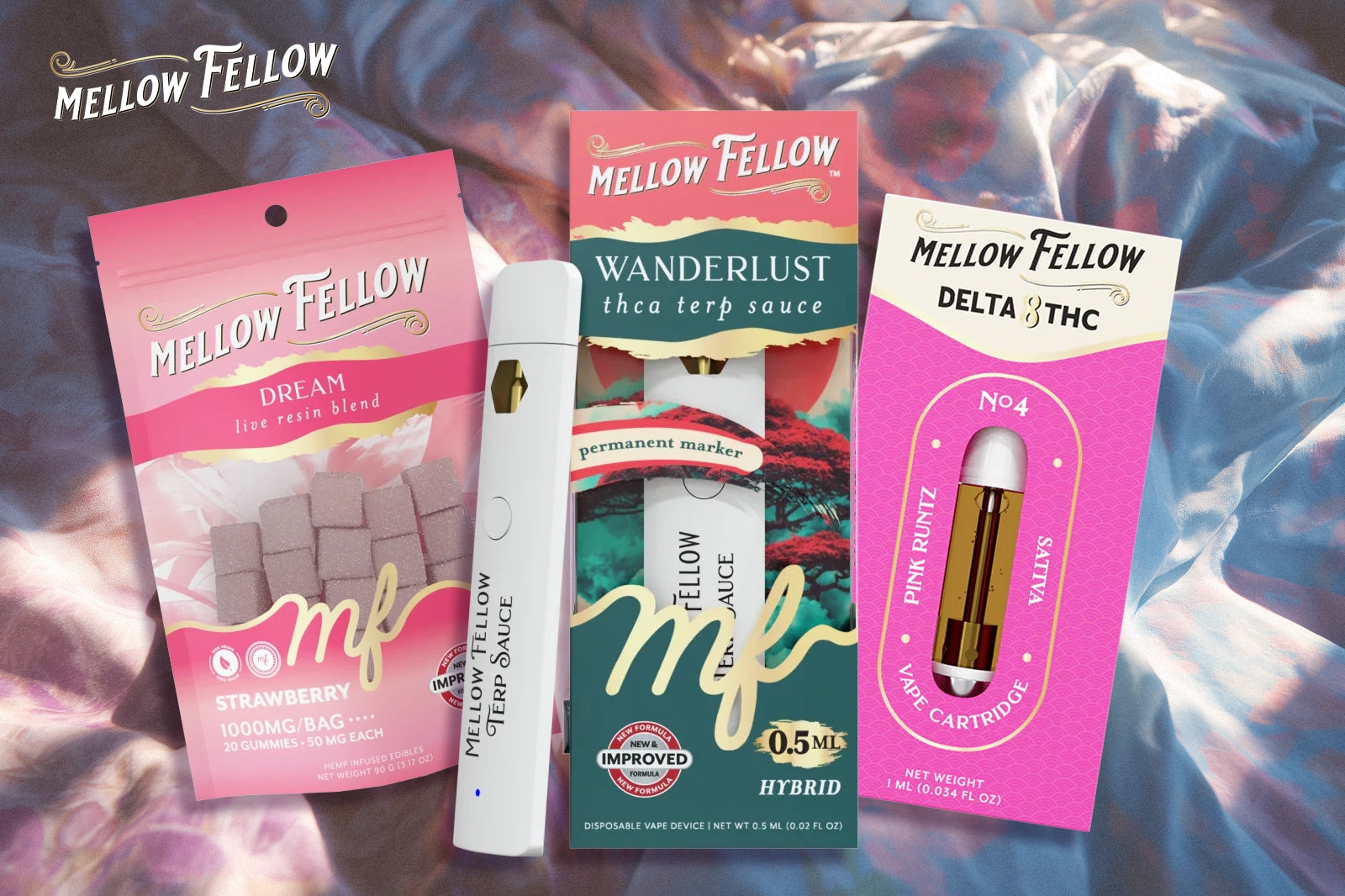
- Relaxing Hybrid: The Wanderlust Blend 0.5ml Terp Sauce Disposable (Permanent Marker Hybrid) from the terp sauce disposables range delivers balanced effects with rich terpene flavor.
- Mellow Indica for Sleep-Through Recovery: The Introvert Blend 0.5ml Terp Sauce Disposable (Blue Cheese Indica) suits those who want to sleep off a hangover.
Best Cannabis Products for Hangovers: Format and Onset Guide
Beyond strain and cannabinoid choice, the format you consume cannabis in determines how quickly relief arrives and how long it lasts. On a hangover morning, that timing gap between taking something and feeling it matters a great deal.
|
Format |
Onset Time |
Duration |
Best For |
|
Vape or Disposable |
5-15 minutes |
1-3 hours |
Immediate nausea and headache relief |
|
THC Seltzer or Drink |
15-45 minutes |
2-4 hours |
Hydration combined with cannabinoid relief |
|
Tincture or Sublingual |
15-45 minutes |
2-4 hours |
Controlled dosing, moderate-speed relief |
|
Gummy or Edible |
45-90 minutes |
4-8 hours |
Sustained all-day recovery support |
|
Softgel Capsule |
60-120 minutes |
4-8 hours |
Precise dosing without flavor |
Vapes and Cartridges for Fast Hangover Relief
For immediate symptom relief, vapes are the practical first choice. Both the live resin disposable vapes and terp sauce disposables provide fast onset across a wide range of strain and blend options.
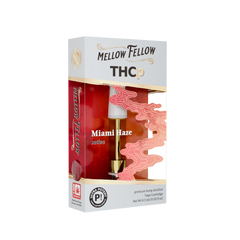
For cartridge users, the Delta 8 cartridge lineup offers milder psychoactive effects that may suit sensitive recovery-day use better than full-strength Delta-9 products. The Delta 8 Pink Runtz 1ml Cart and Delta 8 Green Crack 1ml Cart are solid starting points. For experienced users who want higher potency, THCp 0.5ml carts – including the THCp TKO Hybrid and THCp Miami Haze Sativa – are options, though these should be approached cautiously on recovery days.
Edibles for Sustained Recovery
Edibles take longer to arrive but provide effects that can carry you through the better part of a recovery day. Before choosing a dose, understanding what a high dose of edible gummies actually means helps calibrate expectations.
From the live resin edibles collection:
- Dream Blend Live Resin M-Fusions Strawberry 1000mg – for experienced users wanting all-day relief
- Dream Blend Live Resin M-Fusions Green Apple 1000mg – same formula, different flavor
- Delta-9 Live Resin Edibles 400mg Orange – mid-potency for moderate-tolerance users
For step-up dosing and more control, Microdose M-Fusions Gummies (Delta-9 THC + CBD, 80mg / 8-count) are ideal. The Strawberry flavor is one of the most popular picks. Small pieces let you start at a low, manageable dose and add incrementally as needed.
THC Drinks: Hydration and Relief Together
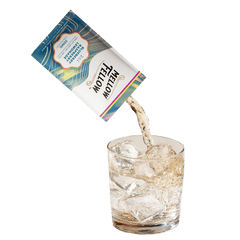
One of the most practical and underused hangover recovery formats is the THC-infused drink. Alcohol dehydrates significantly, and rehydration is one of the few genuinely effective things you can do for a hangover. Getting cannabinoid support alongside fluid intake is a sensible combination, and nano-emulsified cannabis drinks absorb significantly faster than standard edibles.
Mellow Fellow’s drinks collection includes:
- Delta-9 THC + CBD Seltzer (Blue Raspberry, 20mg) – a light, sippable dose you can pace through the morning
- Delta-9 THC + CBD Seltzer (Strawberry Mango, 20mg) – same formula, fruit-forward flavor
- Delta-9 + CBD + CBG Mixer (Blueberry Raspberry Lemonade) – a multi-cannabinoid mixer format with added CBG
Weed for Hangover Anxiety: The Morning-After Dread
Hangover anxiety is one of the most underappreciated symptoms of the morning after – and one where the choice between THC and CBD matters most. Getting this wrong can turn a manageable recovery day into a much worse one.
The Neurological Basis of Hangxiety
Hangover anxiety has a real neurological basis. Alcohol increases GABA (inhibitory) activity and suppresses glutamate (excitatory) activity in the brain. After it clears, the brain rebounds: glutamate surges and GABA drops, which drives restlessness, racing thoughts, and heightened emotional sensitivity the morning after. This is sometimes called “hangxiety” and it can be one of the most difficult hangover symptoms to manage.
Which Cannabinoid Works Best for Anxiety
With the neurological picture in mind, here is how to match the right cannabinoid to the anxiety side of your hangover:
- CBD is more reliable, particularly for people who find THC anxiety-provoking or have limited cannabis tolerance. CBD’s 5-HT1A pathway provides calming effects without activating the CB1 system that can sometimes amplify anxiety at higher THC doses.
- Low-dose THC from a mild, balanced strain or a THC:CBD product can also help for experienced users, but those sensitive to anxiety or with limited cannabis experience should start at the lowest possible dose or use CBD-only products.
For further reading on navigating cannabis for anxious states, see what edibles are best for anxiety and how to feel euphoric without the anxiety.
The Context Dependency Problem
Even with the right cannabinoid and dose, the outcome depends heavily on circumstances. One factor that is easy to overlook is what the previous night actually involved.
The weed-for-hangover-anxiety equation also depends on what the previous night looked like. Heavy drinking followed by a large THC dose can amplify cognitive fog and anxiety rather than reduce it. Context and individual tolerance are not trivial variables here – they determine whether the morning goes better or significantly worse.
Can Weed Worsen a Hangover? Risks and Downsides
Cannabis for hangovers is not without risk. There are specific situations where it can make the morning worse, not better.
Key risks to be aware of:
- Nausea Amplification at High Doses: High-dose CB1 activation can worsen nausea rather than suppress it. This is dose-dependent and particularly relevant on recovery days when your system is already stressed.
- Dehydration Compounding: Smoking cannabis when you are already dehydrated from alcohol adds respiratory irritation and worsens dry mouth. Vaping is a cleaner option than combustion on recovery days.
- THC-Induced Anxiety: Users with lower cannabis tolerance or those prone to anxiety risk having THC worsen hangxiety rather than relieve it.
- Extended Cognitive Impairment: Adding THC to a system already affected by alcohol’s aftermath can prolong cognitive fog and make the day less functional.
- Overconsumption Risk: The body is already taxed by a hangover. Doses that feel normal on a regular day can hit harder in this state.
- Substance Dependence Patterns: Relying on cannabis to manage regular heavy drinking is not a health strategy. Cannabis for hangovers is occasional relief, not a treatment plan for alcohol use.
For more on vaping and its effects on anxiety states, see does vape help with anxiety.
Responsible Use Tips for Cannabis and Hangover Recovery
If you decide cannabis for hangover recovery makes sense for your situation, a few practical guidelines improve the outcome:
- Start Below Your Usual Dose: Your system is already taxed. Half your normal amount is a reasonable starting point on a recovery day.
- Choose CBD or Low-THC Formats If Unsure: Wellness gummies, CBD edibles, or balanced THC:CBD products give you anti-inflammatory and anxiolytic support without committing to a full THC experience.
- Hydrate First: Water and electrolytes before or alongside any cannabis product. The drinks collection makes this convenient.
- Eat Something Light: Edibles on a completely empty, alcohol-disrupted stomach absorb unpredictably. A small amount of food helps regulate onset.
- Avoid High-Potency Products on Recovery Days: THCp and other very high-potency cannabinoids are not recovery-day choices unless you have a very well-established tolerance.
- Do Not Drive: Residual alcohol effects combined with cannabis is not a situation for operating a vehicle under any circumstances.
- Consult a Healthcare Professional: If you have existing health conditions, take medications, or have concerns, speak with a doctor before incorporating cannabis into your recovery routine.
Conclusion: Does Weed Actually Help with Hangovers?
Cannabis for hangovers occupies an honest middle ground. It is not a cure – alcohol still metabolizes on its own timeline, and no cannabinoid speeds that up. But for experienced users with an established tolerance, the pharmacological case for cannabis helping with hangover nausea, headaches, and anxiety is real. THC activates CB1-mediated antiemetic and analgesic pathways; CBD targets the inflammatory and anxiolytic picture; and the right format can deliver those effects on a timeline that matches what you actually need.
The key variables are tolerance, dose, format, and the specific symptoms you are managing. Indica-leaning and hybrid profiles from Mellow Fellow’s live resin and terp sauce lines give you fast-acting symptom relief. Edibles and capsules from the wellness range extend relief across the day. The drinks range adds hydration to the equation in one practical step.
Browse Mellow Fellow’s live resin edibles, wellness edibles, and drinks collection to find the formats that work for your recovery day.
Sources
- Ethanol increases plasma Δ9-tetrahydrocannabinol (THC) levels and subjective effects after marihuana smoking in human volunteers – ScienceDirect
- Cannabidiol modulates serotonergic transmission and reverses both allodynia and anxiety-like behavior in a model of neuropathic pain – PubMed
- Neuroprotection of Cannabidiol, Its Synthetic Derivatives and Combination Preparations against Microglia-Mediated Neuroinflammation in Neurological Disorders – PMC
- Antioxidative and Anti-Inflammatory Properties of Cannabidiol – PMC
- Endocannabinoid signaling in stress, nausea, and vomiting – PMC
- Cannabinoid Regulation of Acute and Anticipatory Nausea – PMC
- The Inflammatory Response to Alcohol Consumption and Its Role in the Pathology of Alcohol Hangover – PMC
- Inflammation, oxidative stress and gut microbiome perturbation: A narrative review of mechanisms and treatment of the alcohol hangover – PubMed
Leave a Reply