
CBD for Recovery: Why Athletes and Active People Use It
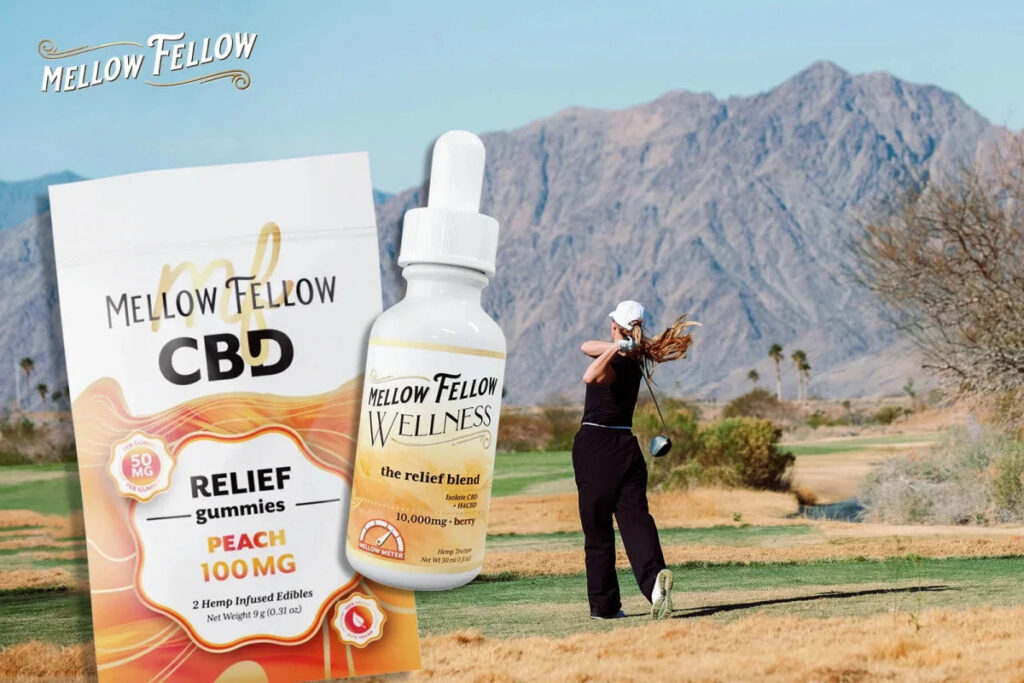
Quick Answer: CBD may support muscle recovery by interacting with the body’s endocannabinoid system to reduce perceived soreness and promote better sleep. It comes in topicals, tinctures, gummies, and vapes – each suited to a different part of the recovery window. Dosing, timing, and format all affect how well it fits your routine.
CBD for recovery has become a standard part of training routines for runners, weightlifters, cyclists, and everyday active adults who want to manage soreness, support sleep, and keep consistent without relying solely on over-the-counter options. This guide covers what the research shows, how different formats work, when to use them, and which products fit common recovery goals.
Key Takeaways
- CBD interacts with CB1 and CB2 receptors throughout the body, including muscle tissue and joints, which may help regulate the inflammatory response after training.
- Onset time varies significantly by format: topicals take 15-45 minutes locally; tinctures take 15-30 minutes sublingually; gummies take 45-90 minutes.
- A 2024 systematic review in Nutrients searched over 900 publications on CBD and post-load recovery in physically active individuals, finding limited but positive signals for physiological recovery markers.
- CBD and ibuprofen address soreness differently – CBD works through the endocannabinoid system without the GI risks associated with long-term NSAID use.
- Mellow Fellow’s CBD lineup spans high-potency tinctures, relief gummies, and targeted vapes – each formulated to fit a specific phase of the recovery window.
Why Athletes Are Adding CBD to Their Recovery Routine
Training breaks tissue down. Recovery builds it back up. That second part is where most active people fall short – not from lack of effort, but because tools like ice baths, compression, and foam rolling only go so far.
CBD for exercise recovery has drawn attention because it works on a system the body already uses to regulate pain, inflammation, and sleep: the endocannabinoid system (ECS). The ECS spans the central nervous system, immune cells, and peripheral tissues. CB2 receptors, found in immune cells and muscle tissue, appear especially relevant to inflammation management after intense training.
What this means practically: CBD doesn’t numb soreness the way a painkiller does. It works upstream – helping the body modulate its own response to the stress of a hard session. That distinction matters for athletes who want to stay functional, not sedated.
Mellow Fellow’s CBD collection includes formats built around these use cases – from fast-acting tinctures to edibles timed for nighttime recovery.
What the Research Shows
Early-stage research and a growing body of athlete-reported data point in a consistent direction, though large randomized controlled trials specific to sports recovery are still limited.
Key findings worth knowing:
A 2024 systematic review published in Nutrients screened over 900 publications on CBD and athletic performance and recovery, ultimately identifying seven studies meeting strict inclusion criteria. The authors found limited but positive signals for CBD’s effect on physiological parameters related to recovery.
A 2021 narrative review in Frontiers in Physiology similarly concluded that CBD shows promising properties for sports recovery – including anti-inflammatory, analgesic, and anxiolytic effects – while noting the need for more controlled trials in elite athletes.
The World Anti-Doping Agency removed CBD from its prohibited substances list effective January 2018, as noted on WADA’s current prohibited list page. That change opened the door for professional and competitive athletes to use CBD openly, accelerating both use and research.
The picture isn’t complete. Most studies use isolated CBD in controlled settings, which doesn’t always map to commercial products. Third-party lab testing matters here: knowing what’s actually in your product – cannabinoid content, residual solvents, heavy metals – is the only way to compare results meaningfully. You can review Mellow Fellow’s third-party testing for full COA documentation.
CBD for Sore Muscles: How It Works in the Body
Delayed onset muscle soreness (DOMS) peaks 24-72 hours after training. It’s driven by microtrauma to muscle fibers and the subsequent inflammatory response. Most of the discomfort – the stiffness, tenderness, and reduced range of motion – comes from that inflammation, not the tissue damage itself.
CBD interacts with CB2 receptors in immune cells (including macrophages and mast cells) that regulate cytokine production. Research on the endocannabinoid system and exercise – including a systematic review and meta-analysis in Cannabis and Cannabinoid Research – found consistent increases in endocannabinoid activity following acute exercise, with implications for pain modulation and recovery signaling.
It’s not a direct anti-inflammatory in the way ibuprofen is. Rather than blocking COX-2 enzymes, CBD appears to modulate the ECS signaling that influences how intensely the body mounts its inflammatory response.
For joint pain and chronic aches from training volume, the picture is similar. CB2 receptor activity in joint tissue and surrounding connective structures offers a plausible mechanism for why active people report relief from CBD topicals applied directly to knees, shoulders, and elbows.
Fact: A 2025 survey published in Frontiers in Nutrition found that 38% of elite-level Canadian athletes had used CBD, with 93% of users reporting improved sleep, 90% reporting better relaxation, and 77% saying it reduced training-related pain.
CBD Topicals vs. Oral CBD for Recovery: Which Works Better
The answer depends on what you’re trying to recover from and when.
CBD topicals – creams, balms, roll-ons – don’t enter the bloodstream in meaningful amounts. They work locally by penetrating the skin and interacting with peripheral cannabinoid and TRPV1 receptors in the tissue beneath. This makes them well-suited for:
- Targeted soreness in a specific joint or muscle group
- Post-workout application to a specific area (quads, calves, shoulders)
- Situations where you want localized support without systemic effects
Onset: 15-45 minutes. Duration: 2-4 hours depending on formulation and application amount. Our guide to CBD cream for tendon pain covers topical application in more depth.
Oral CBD – tinctures, gummies, capsules – enters the bloodstream and works systemically. This suits:
- Full-body soreness after long training sessions
- Sleep support (CBD affects the sleep-wake cycle through adenosine receptor activity)
- Sustained effects across several hours
Tinctures taken sublingually absorb fastest: 15-30 minutes. Gummies and capsules pass through digestion: 45-90 minutes, but effects last 4-8 hours. For a full comparison, see CBD tincture vs. vape.
CBD vapes land between these two. Inhalation delivers CBD to the bloodstream in 2-5 minutes, making them the fastest format for acute soreness or pre-sleep winding down.
Most active people find that a topical for local soreness plus an oral format for systemic recovery and sleep gives the best overall coverage.
When to Use CBD for Workout Recovery
Timing shapes how useful CBD is. Here’s a practical framework:
- Immediately After Training (0-30 Minutes): Apply a topical to sore joints or targeted muscle groups. A CBD roll-on or balm delivers localized support while you cool down and hydrate.
- 1-2 Hours Post-Workout: Take a sublingual tincture if you want systemic support without waiting through a long edible onset window. This timing suits athletes who train in the afternoon and want effects to carry through the evening.
- 45-90 Minutes Before Bed: Take a CBD gummy or capsule. The delayed onset aligns with sleep onset, and the longer duration helps maintain sleep quality through the night. Our breakdown of the best time to take an edible at night goes deeper on this timing strategy.
- Daily Maintenance: Low-dose CBD taken consistently may support baseline ECS tone, which some athletes find helps blunt soreness accumulation across a training week.
CBD vs. Ibuprofen for Recovery: Key Differences
This comparison comes up often in active communities, and the distinctions are meaningful.
Ibuprofen (an NSAID) inhibits COX-1 and COX-2 enzymes, reducing prostaglandin production – which effectively blunts both pain and inflammation. It works quickly and predictably. The tradeoffs: research published in the American Journal of Physiology found that maximal over-the-counter doses of ibuprofen inhibited the normal increase in skeletal muscle protein synthesis after high-intensity eccentric resistance exercise, compared to placebo. Long-term or frequent NSAID use also carries GI lining and kidney stress risks under dehydration.
CBD does not inhibit COX enzymes. Its mechanism is different – ECS modulation, CB2 receptor activity, potential adenosine reuptake inhibition – and it carries a significantly lower side-effect profile at standard doses.
What CBD doesn’t do well: acute, severe pain where fast, reliable COX inhibition is needed. For sharp pain from an acute injury, ibuprofen is more targeted. CBD tends to show more value in chronic soreness management, recovery patterning, and sleep support.
Many athletes use both – ibuprofen for acute situations, CBD as a daily support tool. That combination avoids over-relying on either.
Mellow Fellow CBD Products for Recovery
Mellow Fellow formulates its CBD products with clear outcomes in mind. Here’s how the lineup maps to common recovery needs.
For high-volume training and systemic soreness:
The Relief Blend CBD Tincture – 10,000 mg Berry is built for serious users who want a concentrated, high-potency option. At 10,000 mg total CBD, it suits athletes who train frequently and want a tincture that lasts. The berry flavor is clean and easy to dose sublingually.
For daily recovery and light soreness support:
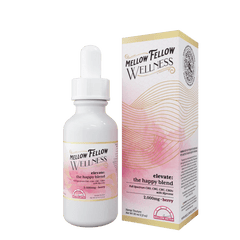
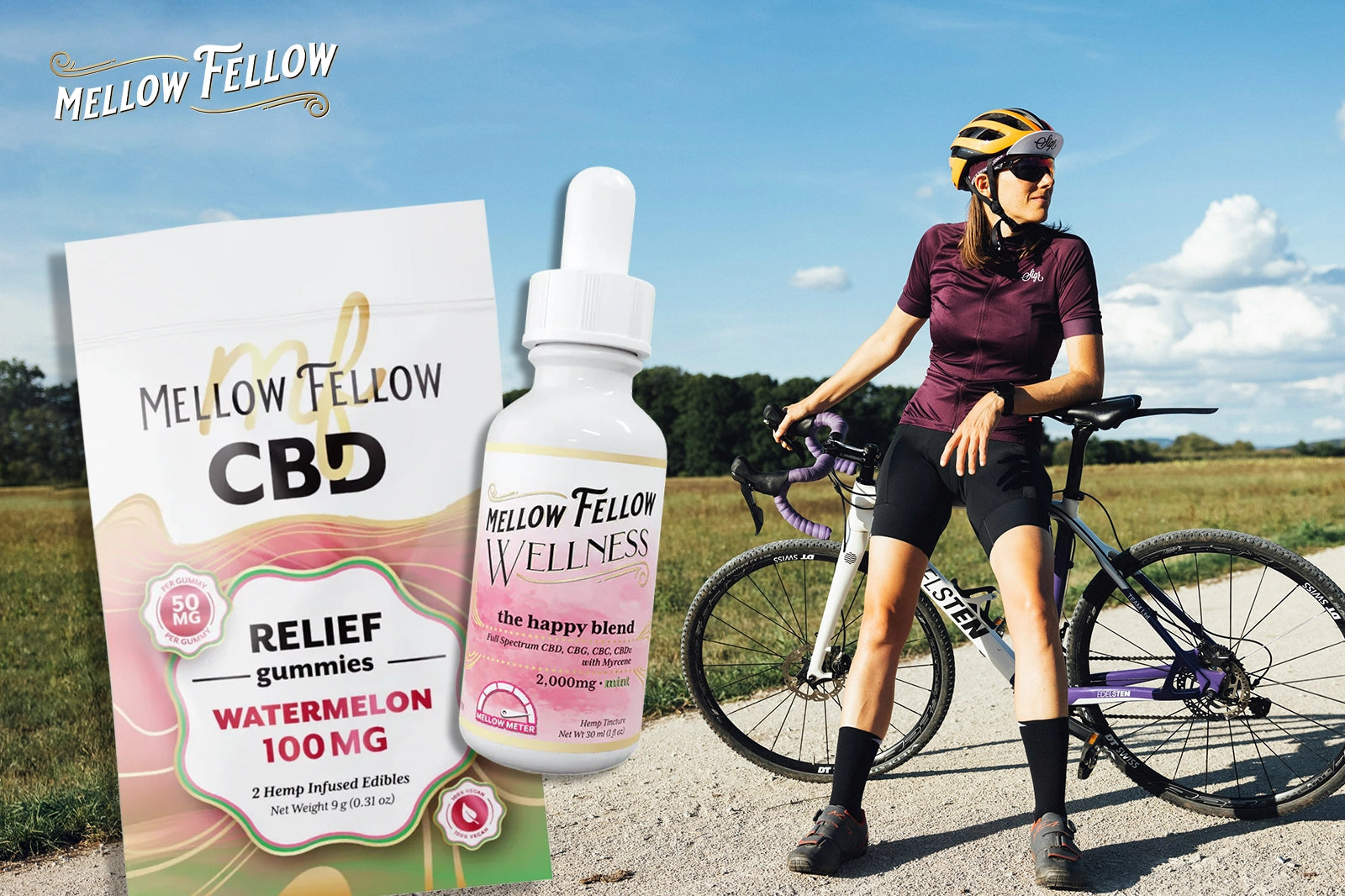
The Happy Blend CBD Tincture – 2,000 mg Mint is a practical daily-use option. Mint flavor, clear dosing, and a potency range that suits regular training without overcorrecting on dose.
The Rest Blend CBD Tincture – 1,500 mg Berry is formulated specifically around sleep and overnight recovery. If poor sleep is limiting your training gains, this is where to start.
For targeted nighttime support:
The Focus Blend – 40 mg Tropic Medley delivers a consistent edible dose in a convenient format. Good for athletes who prefer a pre-sleep gummy over a tincture.
For post-workout soreness and joint comfort:
The Relief CBD Gummies – 100 mg Peach and Relief CBD Gummies – 100 mg Watermelon offer a higher-potency edible option for soreness that needs more than a standard 25 mg serving. Clear labeling, clean ingredients.
For fast-acting recovery support:
The Relief Blend CBD Disposable Vape – Strawnana and Relief Blend CBD Disposable Vape – Mint deliver CBD in under five minutes – a practical option for post-training wind-down when you don’t want to wait on an edible. The Rest Blend CBD Disposable Vape – Vanilla is formatted for evening use and sleep support.

Browse the full CBD collection to compare formats and find what fits your training schedule.
CBD Dosage for Recovery: A Practical Starting Point
There’s no universal dose that works for every person. Body weight, training intensity, individual ECS sensitivity, and product bioavailability all affect how much CBD you’ll need.
A reasonable starting framework:
|
Format |
Starting Dose |
Onset |
Duration |
|
Sublingual tincture |
15-25 mg |
15-30 min |
4-6 hours |
|
Gummies / capsules |
25-50 mg |
45-90 min |
6-8 hours |
|
Topical |
Apply liberally to area |
15-45 min |
2-4 hours |
|
Vape |
2-3 short puffs |
2-5 min |
2-3 hours |
Start at the lower end of any range. Give it 5-7 days before adjusting. Most active people find their consistent dose within two to three weeks of daily use. For runners specifically, our best CBD gummies for runners guide includes format-specific dosing notes.
CBD for Sleep and Recovery: The Overlooked Connection
Recovery happens during sleep, not during the workout. Deep slow-wave sleep is when muscle protein synthesis peaks, growth hormone is released, and the nervous system resets. Poor sleep disrupts all of it.
CBD appears to influence sleep through multiple pathways: adenosine reuptake inhibition (which builds sleep pressure), GABA-A receptor modulation (which promotes relaxation), and cortisol reduction (which delays sleep onset when elevated). A 2019 case series published in The Permanente Journal followed 103 adults using CBD for anxiety and sleep concerns – sleep scores improved within the first month in 66.7% of participants, though the authors note the open-label design and call for randomized trials.
Athletes who report the most benefit from CBD often point to sleep quality as the biggest change – not necessarily soreness directly, but faster recovery because their sleep improved. A nightly dose of CBD timed 45-60 minutes before bed has become a standard addition to many training routines for exactly this reason.
Want to see how working out and CBD interact at the body level? Working out high covers the physiology behind cannabis and exercise in more depth.
CBD for Runners, Cyclists, and High-Volume Athletes
A few format considerations for specific training types:
- Runners: Long-distance running creates cumulative joint stress, particularly in knees, hips, and ankles. A topical applied after long runs combined with a nightly tincture for sleep tends to be the most effective pairing for runners managing mileage buildup.
- Weightlifters: Muscle soreness is the primary concern. High-potency tinctures taken post-training and before bed suit the recovery demands of strength athletes well. Gummies are also popular for simplicity and consistent dosing.
- Cyclists: Saddle time creates low-back, hip flexor, and knee soreness. Topicals are practical here because the soreness is localized. Systemic support from a nightly edible helps with the cumulative fatigue of multi-day training blocks.
- Yoga and Mobility-Focused Athletes: Lower intensity but higher frequency creates a need for consistent, low-dose CBD rather than high acute doses. A daily tincture in the 15-25 mg range is common in this group.
For tincture comparisons by formulation and potency, see our best CBD tinctures for pain relief guide.
Final Thoughts on CBD for Athletes
CBD can fit into a recovery routine when you choose the right format for the job. Topicals work well for targeted soreness, tinctures and gummies suit full-body recovery and sleep, and vapes offer faster onset when timing matters. Start low, stay consistent, and choose third-party tested products.
Browse Mellow Fellow’s CBD recovery products to find the format and potency that fits your routine – or check the store locator if you’d rather pick up in person.
Frequently Asked Questions
Does CBD Help With Post-Workout Recovery?
CBD may support post-workout recovery by interacting with the body’s endocannabinoid system, which plays a role in soreness, inflammation, and sleep. Many athletes use it to manage muscle soreness and stay consistent with training.
What Is the Best CBD Format for Muscle Recovery?
Topicals are best for localized soreness, while tinctures and gummies are better for full-body recovery and sleep support. CBD vapes have the fastest onset, making them useful when you want quicker effects.
How Much CBD Should Athletes Take for Recovery?
Most active adults start with 15-25mg from a tincture or 25-50mg from a gummy or capsule. Start at the lower end, use it consistently for several days, and adjust based on how your body responds.
Is CBD Better Than Ibuprofen for Soreness?
CBD and ibuprofen work differently. Ibuprofen is more targeted for acute pain, while CBD is often used for ongoing soreness, recovery support, and sleep quality.
Can CBD Help Athletes Sleep Better?
CBD may support better sleep by helping the body relax before bed. Gummies and tinctures taken 45-90 minutes before sleep are common choices for overnight recovery.
Are CBD Products Allowed in Professional Sports?
CBD itself is no longer prohibited by WADA, but THC is still banned in many competitive sports settings. Athletes should choose third-party tested CBD products and check lab results before use.
Sources
- Cannabidiol in Anxiety and Sleep: A Large Case Series – PMC
- Effect of ibuprofen and acetaminophen on postexercise muscle protein synthesis | American Journal of Physiology-Endocrinology and Metabolism | American Physiological Society
- A Systematic Review and Meta-Analysis on the Effects of Exercise on the Endocannabinoid System – PubMed
- The Prohibited List | World Anti Doping Agency
- Potential Role of Cannabidiol on Sports Recovery: A Narrative Review – PubMed
- The Effect of Cannabidiol on Performance and Post-Load Recovery among Healthy and Physically Active Individuals: A Systematic Review – PubMed
- Frontiers | Cannabidiol in sports: insights on how CBD could improve performance and recovery
- Frontiers | Cannabidiol use among elite-level Canadian athletes: the pursuit of improved sleep, pain relief, and enhanced recovery
Leave a Reply