
How to Smoke Rosin: Every Method From Rigs to Hash Holes
By Fabian Raemy
Quick Answer: You can smoke rosin by dabbing it on a rig, pressing a small amount into a packed bowl or joint, loading it into a dab pen, or reaching for a rosin-core hash hole preroll that skips the extra gear entirely. Dabbing preserves the most flavor and potency per milligram, but a hash hole preroll is the simplest way to try rosin without a rig, a torch, or any setup at all.
Rosin looks intimidating the first time you hold it. It is sticky, it clings to everything, and unlike a jar of flower, there is no obvious next step once you open the container. That confusion is normal, and it usually clears up fast once you understand that rosin has more than one path to your lungs.
This guide covers every practical way to smoke rosin, from a full dab rig setup down to a preroll you can light with nothing else in hand. Each method includes the gear you actually need, the temperature or technique that keeps the flavor intact, and the mistakes that waste good concentrate.
Key Takeaways
- Dabbing at the right temperature preserves the terpenes that give quality rosin its flavor
- Rosin can be added to a bowl, joint, or blunt without buying any new equipment
- Rosin concentrates test far higher in cannabinoids than dried flower, so dosing discipline matters
- Hash hole prerolls build a rosin core into the flower itself for a slow, even burn
- Mellow Fellow’s THCp Hash Hole and 3.5g infused flower jars are ready-to-light options for trying rosin with zero setup
What Is Rosin and Why It Smokes Differently
Rosin is a solventless cannabis concentrate made by pressing flower, kief, or hash between heated plates under pressure. No butane, propane, or CO2 touches the material at any stage. The combination of heat and mechanical force squeezes resin out of the plant’s trichomes, capturing cannabinoids and terpenes in one sticky extract, without a purge step because there was never a solvent to remove.
That solventless process is also why rosin tastes the way it does. Standard drying and curing measurably change a cannabis flower’s terpene profile before it ever reaches an extractor, and research on cannabis drying conditions found that monoterpenes are more sensitive to that process than sesquiterpenes, meaning some of the brightest, most citrus and pine-forward aromas are the first to fade during a slow, traditional dry. Pressing fresh or minimally processed material into rosin sidesteps a chunk of that loss, which is part of why quality rosin tends to smell closer to the living plant than a jar of cured flower does.
Rosin also runs far more concentrated than flower. Government-reviewed data on cannabis concentrates puts most extract categories, including waxes and shatters, in the 60 to 99 percent cannabinoid range by weight, compared with roughly 12 percent in typical dried flower.
That gap is the reason dosing discipline matters no matter which method below you pick. A dab the size of a grain of rice, or two slow pulls from a preroll, is the right place to start for anyone new to concentrates.
One practical wrinkle: rosin’s sticky, oil-like texture does not combust cleanly on its own. It either needs enough heat to vaporize (a rig or a dab pen) or a bed of flower to carry the burn, which is exactly what a hash hole preroll is built around.
How to Dab Rosin on a Rig
Dabbing is the most efficient way to get flavor and potency out of rosin. A dab rig uses a quartz or ceramic banger heated by a torch or an e-nail. Touch rosin to a properly heated surface and it vaporizes instead of burning, which is what keeps the hit clean.
What You Need To Dab:
- A water pipe or rig fitted with a banger
- A butane torch or e-nail
- A dab tool, ideally silicone-tipped for sticky rosin
- A carb cap to control airflow
Steps To Dab Rosin:
- Fill the rig with enough water to bubble on the inhale
- Heat the banger until the quartz just starts to glow, then let it cool for 30 to 45 seconds before touching anything to it
- Scoop a rice-grain-sized amount of rosin onto your dab tool and place it in the banger
- Set the carb cap on top to trap heat and pull the rosin around the surface for full vaporization
- Inhale slowly, then exhale and wait several minutes before deciding on a second dab
Rosin Dab Temperatures: According to Leafly’s guide on dabbing temperatures, 545 to 570°F is the standard range most solventless concentrates, including rosin, are built to run at, since it fully vaporizes the dab without scorching the delicate terpenes. Dabbers chasing maximum flavor over volume tend to work in the 400 to 500°F low-temp range instead, though at those temperatures some oil is left behind in the banger rather than fully vaporizing.
Dab Temperature Quick Reference
| Temperature Range | What Happens | Best For |
| Below 400°F | Rosin pools and does not fully vaporize | Not recommended |
| 400 to 500°F | Lighter vapor, maximum flavor, some waste | Flavor-first sessions |
| 500 to 545°F | Balanced flavor and vapor, gentle on delicate hash rosin | Solventless hash and rosin |
| 545 to 570°F | Standard range, full vaporization | Most rosin and live resin dabs |
| Above 570°F | Vapor is heavier, flavor drops off | Hot dabbers chasing bigger clouds |
Cold start dabbing is a popular variation that skips the wait. Load the rosin into a cold banger, cap it, then apply heat gradually from below until the concentrate starts to bubble. It is a gentler ramp that suits terpene-sensitive rosin and first-time dabbers alike.
How to Smoke Rosin in a Bowl
Adding rosin to a packed bowl is the lowest-effort upgrade for anyone who already smokes flower. No new gear required. The flower does the work of carrying combustion while the rosin melts and vaporizes alongside it.
Pack a bowl about three-quarters full with ground flower, then use a dab tool or toothpick to place a small amount of rosin on top or just beneath the surface. A thin layer of flower over the rosin slows the melt and keeps it from scorching too fast. Light the edge rather than the center, and take slow, steady pulls.
Watch for pooling. If a hit runs too hot or the bowl is packed too tight, rosin can collect at the bottom instead of vaporizing evenly. Keeping the bowl at a slight angle and pacing your draws helps avoid it. A water pipe adds a layer of cooling that many people find useful once rosin is added to the mix, since the extra cannabinoid content makes each hit noticeably stronger.
How to Put Rosin in a Joint or Blunt
Rolling rosin into a joint takes a different approach than dropping it in a bowl, since it will not burn on its own inside rolling paper. It needs to be spread through the flower itself rather than left as an isolated layer.
Two Methods That Work:
- Infused Roll Method: Spread ground flower on your paper, then use a dab tool to dot or thinly streak rosin across the flower before rolling, so it distributes evenly as the paper closes.
- Warmed Spread Method: Soften the rosin slightly with body heat or a lighter held at a distance, then spread it thin across the flower with a dab tool before rolling.
A concentrated rosin core down the center of an ordinary joint tends to burn unevenly and can cause the joint to run or canoe, unless it is built with the structural design of a proper hash hole. Keeping rosin distributed evenly through the flower, rather than isolated in one spot, is what keeps the burn clean.
How to Smoke Rosin Without a Dab Rig
Plenty of people want the potency of rosin without the torch, the banger, or the learning curve. A few formats deliver most of the experience with far less setup.
A dab pen or concentrate vaporizer is the closest substitute for a rig. Load a small amount into the ceramic or quartz chamber, close the mouthpiece, and set the device to its lower temperature range if it is adjustable. Not every vape pen handles sticky rosin well, so check that a device is rated for concentrates before loading it.
An electric nectar collector skips the banger altogether. Heat the tip, touch it directly to the rosin, and inhale from the mouthpiece. These typically run 40 to 80 dollars and sit between a full rig and a pen in terms of effort.
The lowest-effort option of all is a format built with the concentrate already inside the flower. That is exactly what a hash hole preroll is designed to do, and it is worth its own section.
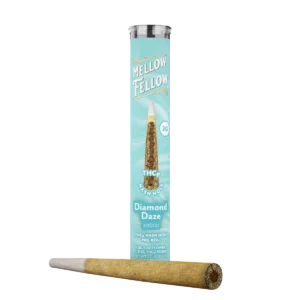
Hash Hole Prerolls: Rosin Built Into Every Puff
A hash hole is a preroll built with a rope of rosin running through the center of ground flower, so the concentrate is already in place before you ever light it. As the joint burns, the outer flower combusts first while the rosin core melts inward from radiant heat rather than direct flame, which is what produces the format’s signature donut-shaped ash ring as documented in Weedmaps’ breakdown of the hash hole format.
That differential burn rate is also why the format runs slower and hits stronger than a standard joint, a structural point covered in more depth in Mellow Fellow’s guide comparing a hash hole against a regular joint.
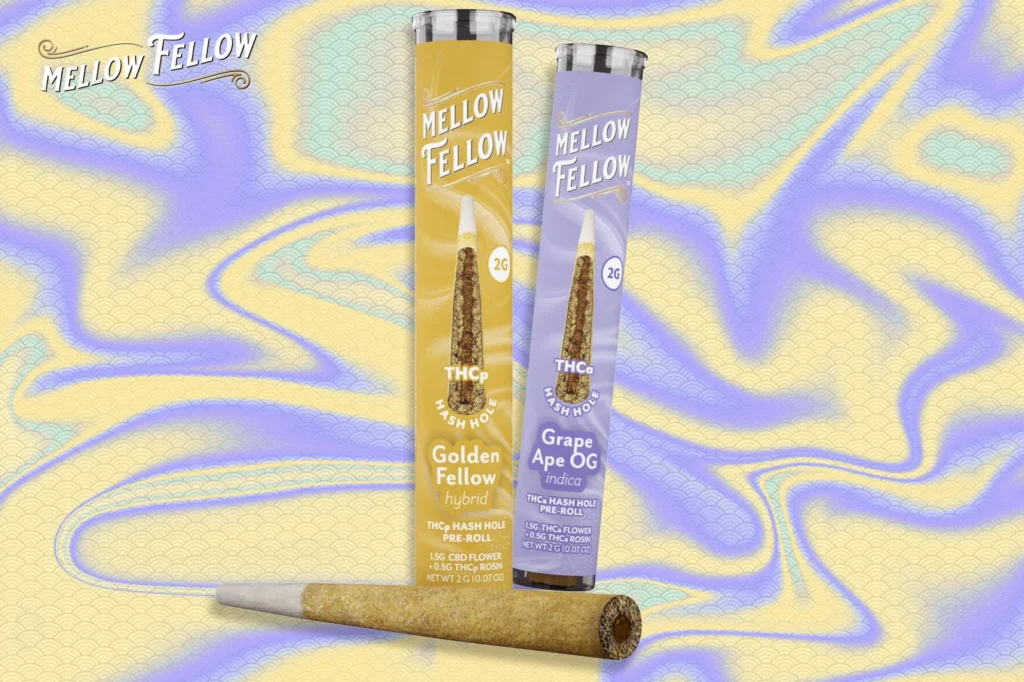
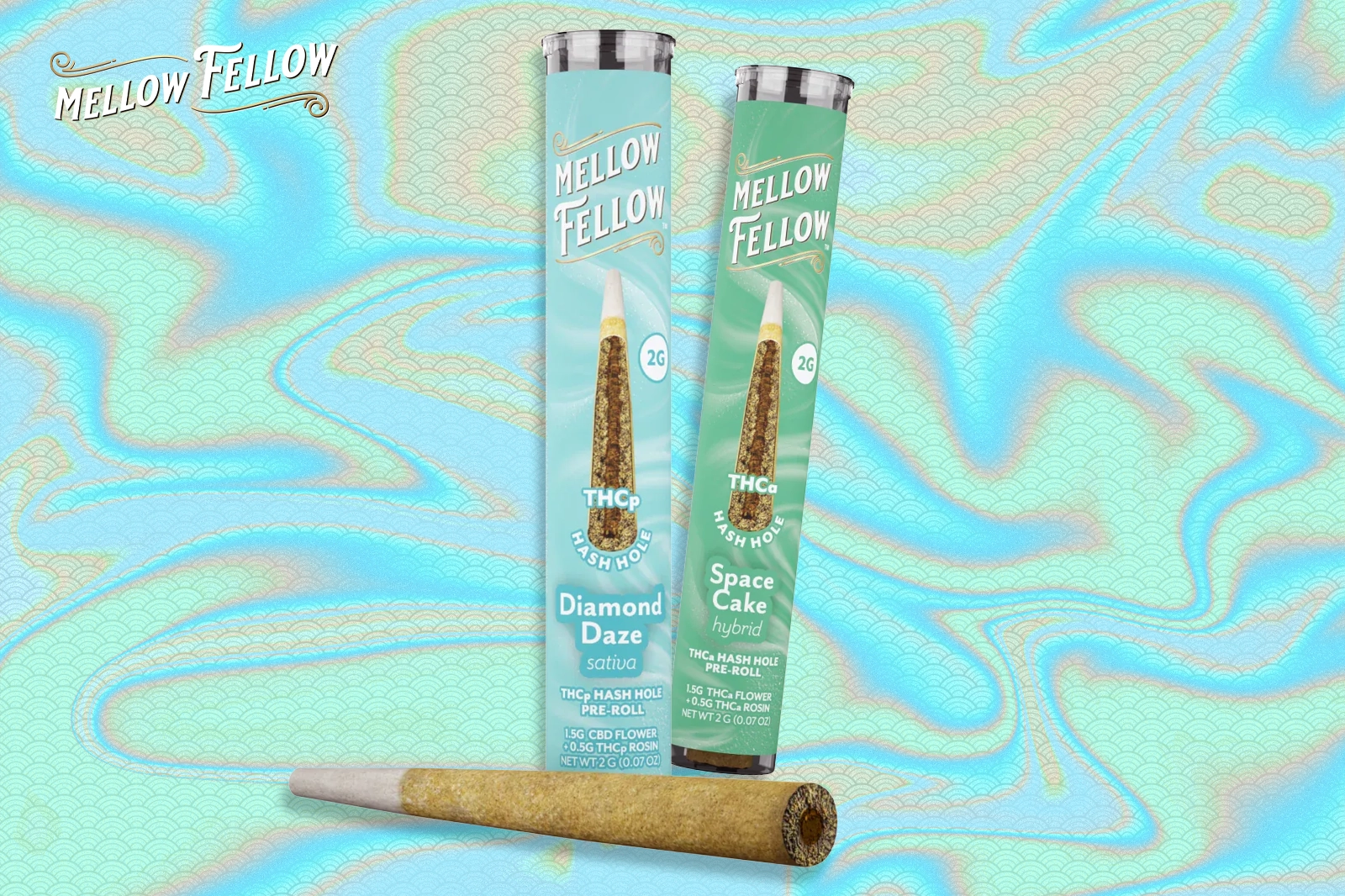
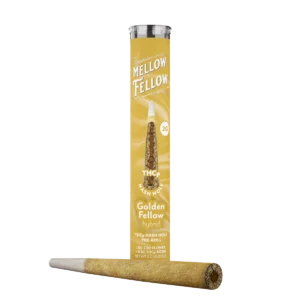
Mellow Fellow’s THCp 2g Hash Hole Prerolls build each tube from 1.5g of flower wrapped around a 0.5g THCp rosin core, split into four quarter-joint servings of roughly 198mg cannabinoids each, for 790mg total per tube. Three strains are currently available:
- Golden Fellow (Hybrid): A full-spectrum, hard-hitting profile built for a mental lift paired with steady body presence, suited to seasoned consumers.
- Eclipse Kush (Indica): A deep, grounding body buzz with sweet, fruity haze aromas and a vanilla finish, geared toward evening use.
- Diamond Daze (Sativa): A fast-onset, long-riding cerebral lift with bright citrus and spicy herbal notes on the exhale.
Because THCp binds to CB1 receptors with roughly 33 times the affinity of Delta 9 THC according to the compound’s original characterization published in a peer-reviewed analysis of Δ9-THCP in recreational products, these prerolls carry a real potency warning on the product page. One to two slow pulls is the right starting point, with a pause before deciding on more.
For readers who want the full mechanics of building one of these joints by hand, Mellow Fellow’s step-by-step guide to rolling a hash hole walks through shaping the rosin snake and packing the flower shell around it.
Smoking Rosin vs Dabbing Rosin: What Actually Differs
The two terms overlap in everyday use, but they describe different mechanics. Dabbing means vaporizing a concentrate on a heated surface, whether that surface is a banger, an e-nail, or a nectar collector tip. The rosin never combusts, which is why dabs taste cleaner than smoke.
Smoking rosin, whether in a bowl, a joint, or a hash hole preroll, means burning it alongside flower. Some combustion happens in that process, which changes the flavor slightly and burns off a portion of the more heat-sensitive terpenes compared to a controlled dab. It also uses more material per session, since combustion is less efficient than vaporization.
Neither approach is wrong. Dabbing delivers the most flavor and potency per milligram. Smoking rosin through flower is the path of least resistance and works with equipment most people already own, or none at all in the case of a preroll.
Comparison: Rosin Smoking Methods at a Glance
| Method | Gear Required | Flavor Preservation | Effort Level | Best For |
| Dab rig | Rig, banger, torch, dab tool | High | High | Flavor-focused, experienced users |
| Dab pen | Compatible vape pen | Moderate to high | Low | Portability |
| Nectar collector | Handheld heated device | Moderate to high | Low to moderate | Quick sessions without a rig |
| Bowl with flower | Pipe or bong | Moderate | Low | Beginners with existing gear |
| Joint or blunt | Rolling papers, dab tool | Lower | Moderate | Social sessions |
| Hash hole preroll | None, ready to light | Moderate to high | None | Zero-setup access to rosin |
Ready-to-Smoke Rosin and Rosin-Adjacent Flower Formats
For readers who want the rosin experience without measuring, rolling, or loading anything, Mellow Fellow carries a few flower formats built for that exact purpose.
The THCp 2g Hash Hole Prerolls covered above are the most direct rosin format on the list, since the concentrate core is what defines the product. For a lighter, single-session option, the THCp 1g Prerolls pack 0.5g servings at roughly 173mg cannabinoids per half joint across three profiles: Alpha One (Hybrid), Diesel Rush (Sativa), and Twilight Drift (Indica). These use infused flower rather than a rosin core, which makes them a steadier entry point for someone building tolerance before trying a full hash hole.
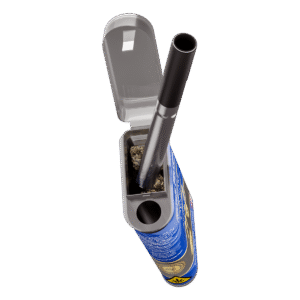
Another no-equipment option is Mellow Fellow’s THCp 3.5g Infused Flower with a built-in one-hitter, which ships with a small pipe inside the jar so there is nothing to pack besides the flower itself. Fire Haze (Sativa) leans toward an energetic, creativity-driving high, while Lava Cake (Hybrid) and Rainbow Sherbet (Hybrid) settle into a mellower, dessert-forward profile better suited to winding down.
For anyone who decides smoking is not the format they want on a given day, Mellow Fellow’s Max Dose Gummies in Strawberry offer a smoke-free way to reach a comparable level of potency, with 500mg of blended cannabinoids per gummy and a recommended half-gummy starting serving.
How Much Rosin to Smoke: A Starting Guide
Rosin potency does not scale the way flower does. What looks like a small amount can deliver far more than expected, especially for someone new to concentrates.
Starting Amounts By Method:
- Dabbing: A rice-grain-sized amount, roughly 0.05g, with a 10 to 15 minute wait before a second dab
- Bowl add-on: A pearl about the size of a pencil eraser tip, spread across a packed bowl
- Joint or blunt infusion: A thin layer distributed through the flower rather than a concentrated core
- Hash hole preroll: Two slow pulls, then a pause of at least 10 minutes before continuing
For a deeper breakdown of dosing by tolerance level and format, Mellow Fellow’s live rosin dosage guide covers starting points and escalation timing in more detail.
Live Rosin vs Regular Rosin: Does It Change How You Smoke It
Live rosin is pressed from fresh-frozen cannabis rather than dried and cured flower, which is the same freezing step that defines live resin as a category. Skipping the drying stage matters because the acidic cannabinoids in flower convert toward their neutral, more potent forms as material is dried and cured, a decarboxylation effect documented in a 2025 postharvest study on hemp drying and curing.
Fresh-frozen material sidesteps most of that conversion and the parallel terpene loss, which is why live rosin tends to carry a brighter, more true-to-plant aroma than rosin pressed from cured flower.
In terms of how you actually smoke it, live rosin behaves the same as standard rosin across every method above. The difference shows up in the terpene profile and price rather than the technique. Readers comparing the two extraction paths directly can see how live rosin stacks up against solvent-based methods in Mellow Fellow’s guide to live resin vs solventless extraction.
Rosin Storage Tips for Better Sessions
Rosin degrades with exposure to heat, light, air, and moisture, and poor storage means losing flavor and potency before the concentrate is even lit.
Keep rosin in a small silicone or glass container with a tight seal, stored somewhere cool and dark, ideally a drawer away from windows. For storage longer than a month, refrigeration works, but let the container return to room temperature before opening it to keep condensation out. Skip plastic containers, which can absorb terpenes and introduce an off-flavor over time, and use a silicone-tipped dab tool rather than metal to avoid scraping trace material into the concentrate.
Match the Method to Your Setup
Rosin rewards the right method more than most concentrates, since its flavor and potency are both easy to waste with the wrong temperature or a rushed technique. Dabbing gets the most out of every milligram if you already have a rig.
Working rosin into a bowl or joint is the practical middle ground for anyone who wants the potency boost without new equipment. Hash hole prerolls and infused flower jars remove that decision entirely by building the concentrate directly into a format you can light and smoke the same way as any other joint.
Whichever method fits your setup, start small, respect the temperature ranges above, and give the effects time to build before taking more.
Check the full concentrates collection for dabbable formats and accessories.
Frequently Asked Questions
Can You Smoke Rosin in a Bowl
Yes. Pack a bowl most of the way with ground flower, place a small amount of rosin on or just beneath the surface, and light the edge gently. The flower carries combustion while the rosin melts and vaporizes alongside it. Slow, steady pulls keep it from scorching before it fully melts.
Can You Put Rosin in a Joint
Yes, though it takes technique. Rosin will not burn on its own in rolling paper, so it needs to be spread thinly through the ground flower rather than placed as a concentrated core, unless the joint is built with the structural design of a hash hole.
Can You Smoke Rosin Without a Dab Rig
Yes. Concentrate vape pens, electric nectar collectors, and adding rosin to a bowl or joint all work without a rig. Hash hole prerolls remove the need for any equipment at all, since the rosin core is already built into the flower before it ships.
What Is a Hash Hole Preroll
A hash hole preroll is a joint built with a rope of rosin or hash running through the center of ground flower. As it burns, the flower combusts first while the rosin core melts inward from radiant heat, producing the format’s signature donut-shaped ash ring. Mellow Fellow’s THCp Hash Hole line uses a 0.5g THCp rosin core wrapped in 1.5g of flower per tube.
How Strong Is Rosin Compared to Flower
Government-reviewed data on cannabis concentrates places most extract categories in the 60 to 99 percent cannabinoid range by weight, compared with roughly 12 percent in typical dried flower. That makes even a small amount of rosin considerably more potent than an equivalent weight of flower.
What Is the Best Temperature for Rosin Dabs
Leafly’s dabbing guide places the standard range for rosin and similar solventless concentrates at 545 to 570°F on the banger surface, which fully vaporizes the dab without scorching the terpenes. A lower 400 to 500°F range trades some efficiency for extra flavor.
Is Live Rosin Better Than Regular Rosin
Live rosin is pressed from fresh-frozen cannabis, which skips the drying and curing steps that reduce terpene content and convert acidic cannabinoids toward their neutral forms. The result is typically a brighter, more true-to-plant aroma. Beyond flavor, the two extraction paths smoke the same way across every method in this guide.
Can You Eat Rosin
Rosin can go into edibles, but it needs to be decarboxylated with heat first to convert THCA into psychoactive THC. Low, slow oven heat around 250°F preserves more terpenes during that conversion than a quick high-heat bake.
Does Rosin Smell Stronger Than Other Concentrates
Yes, in most cases. Rosin is solventless and retains more of the plant’s original terpene profile, so its aroma tends to be more pronounced than solvent-extracted concentrates like distillate. Live rosin, pressed from fresh-frozen material, usually carries the most noticeable aroma of the group.
Sources
- In Pursuit of Optimal Quality: Cultivar-Specific Drying Approaches for Medicinal Cannabis
- Postharvest Drying and Curing Affect Cannabinoid Contents and Microbial Levels in Industrial Hemp
- What Is a Hash Hole?
- Best Dabbing Temperatures
- Hash Oil: A Cannabis Concentrate Δ9-Tetrahydrocannabiphorol: Identification and Quantification in Recreational Products