
What Is a Hash Hole? Inside the Cannasseur Favorite
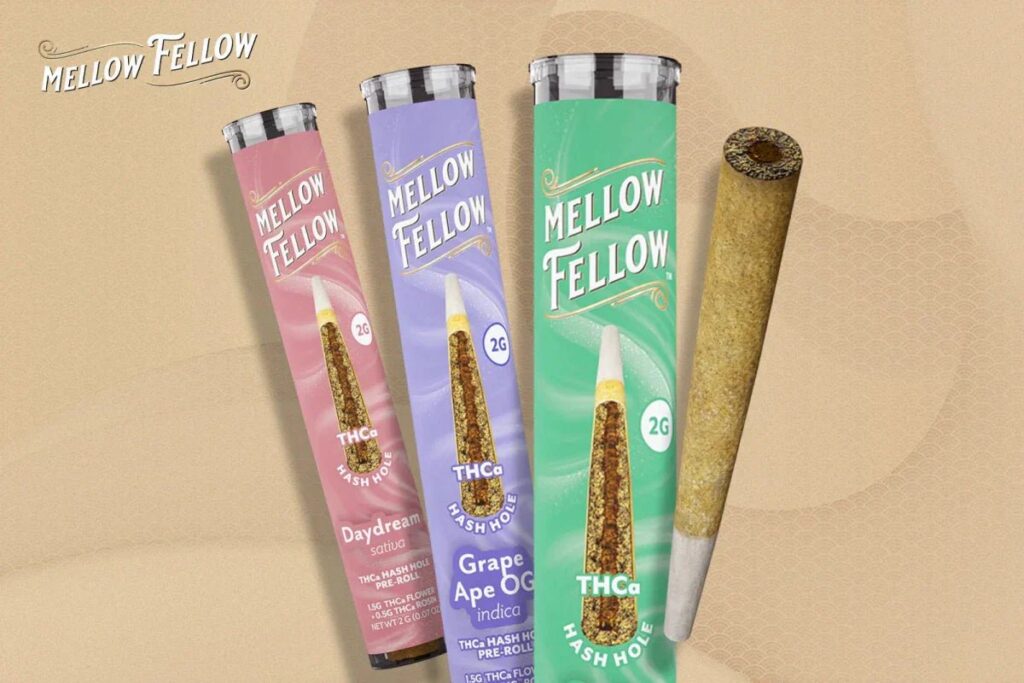
Quick Answer: A hash hole is an infused joint or pre-roll built around a solid core of hash or rosin concentrate that runs the length of the paper, leaving a hollow “donut” ring of ash as it burns. The format is prized for its slow burn, full-spectrum flavor, and significantly elevated potency compared to flower-only joints.
Hash holes have gone from niche connoisseur flex to one of the most talked-about infused formats in cannabis. Known for their signature donut burn, rich flavor, and heavy-hitting potency, these premium pre-rolls blend top-shelf flower with a core of solventless hash or rosin. If you’ve seen them online or heard enthusiasts rave about them, there is a reason.
Key Takeaways
- Hash holes contain a rosin or hash core surrounded by ground flower, creating a donut-shaped ash ring when lit
- The format burns 30-50% slower than a standard joint due to the concentrate core acting as a heat buffer
- Potency can exceed 50% total cannabinoids when a high-THC rosin is used alongside premium flower
- Terpene preservation is a primary reason enthusiasts favor solventless hash in this format
- For those interested, try Mellow Fellow’s hash holes to see what all the hype is about.
What’s A Hash Hole?
A hash hole – also called a donut joint – is a cannabis joint built with a cylindrical rope of hash or rosin concentrate at its center. The flower is packed around that core, and as the joint burns down, the concentrate burns more slowly than the surrounding flower. That differential burn rate leaves a ring, or “hole,” in the center of the cross-section: the signature donut shape that gives the format its name.
The term “hash hole” gained wide circulation around 2020-2021, pushed largely by California-based rollers and small-batch solventless producers.
The format has roots in traditional hash joints rolled in Europe and the Middle East, where pressed hash has been folded into or wrapped around tobacco and flower for decades, but the modern interpretation uses high-grade bubble hash or live rosin pressed into a thin snake rather than crumbled in.
How Hash Holes Are Made
The construction process is precise. Here is how a well-rolled hash hole comes together:
- Press the Rosin Rope. Hash or live rosin is pressed and rolled by hand or with parchment into a thin, even log roughly the diameter of a pencil and the length of the intended joint.
- Grind the Flower Bed. High-quality, evenly ground flower is spread across the rolling paper. A slightly coarser grind than normal helps airflow around the dense core.
- Place the Hash Rope. The concentrate rope is laid along the center of the flower bed, parallel to the long edge of the paper.
- Roll With Tension. The paper is rolled so the flower encases the hash rope completely. Gaps or thin spots cause uneven burns.
- Twist and Cure. Some producers let the rolled joint rest for 24-48 hours, allowing the rosin to firm up and bond with the surrounding flower for a more consistent draw.
The result is structurally similar to a roulade: flower on the outside, solid concentrate core on the inside. Research on cannabis concentrate viscosity and density helps explain why rosin’s semi-solid state at room temperature is what makes the rope structure hold.
Upgrade your next smoke with Mellow Fellow’s terpene-rich Hash Hole Pre-Rolls.
Hash Hole Effects and Potency
The effects of a hash hole are shaped by two factors: the potency ceiling and the delivery mechanism.
Higher THC Content
Potency is the most obvious variable. Standard joints run roughly 15-25% THC. A hash hole using 60% THC live rosin blended with 25% THC flower can push the final cannabinoid profile well above 40-50% across the session. For reference, NIDA’s cannabis research overview notes that concentrate products have risen sharply in average THC content over the past decade.
Richer Terpene Profile
The terpene profile is also notably richer. Solventless extraction preserves the full terpene array of the source material without the chemical purging steps required in hydrocarbon extraction. According to research published by Root Sciences on BHO vs. solventless extraction methods, solventless techniques preserve natural terpene profiles and compound ratios by avoiding chemical dissolution and solvent purging that can degrade sensitive molecules.
Slower Build and Longer Session
Delivery matters just as much. Because concentrate burns more slowly, the session stretches over a longer period than a standard joint. Users report a more gradual onset compared to a single large dab, with effects building across the course of the smoke rather than arriving all at once. That pacing can make a hash hole feel smoother for experienced consumers even at high total cannabinoid levels.
Start Low and Pace Yourself
The combination of strong flower and a dense rosin core creates a product far more potent than a typical joint. Starting with a few short puffs and pausing is the right approach. See the Mellow Fellow blog on how to feel euphoric without anxiety for a broader guide on managing potency.
Mellow Fellow’s Hash Hole Pre-Rolls
If you want a pre-roll that hits harder, burns slower, and delivers more flavor than the average joint, Mellow Fellow’s Hash Hole Pre-Rolls are worth a look. These 2g pre-rolls combine premium flower with a concentrated rosin core, creating a richer smoke with stronger effects and layered terpene profiles. You can browse the full Hash Hole Pre-Roll collection to compare all available strains and cannabinoid options.
THCp Hash Holes
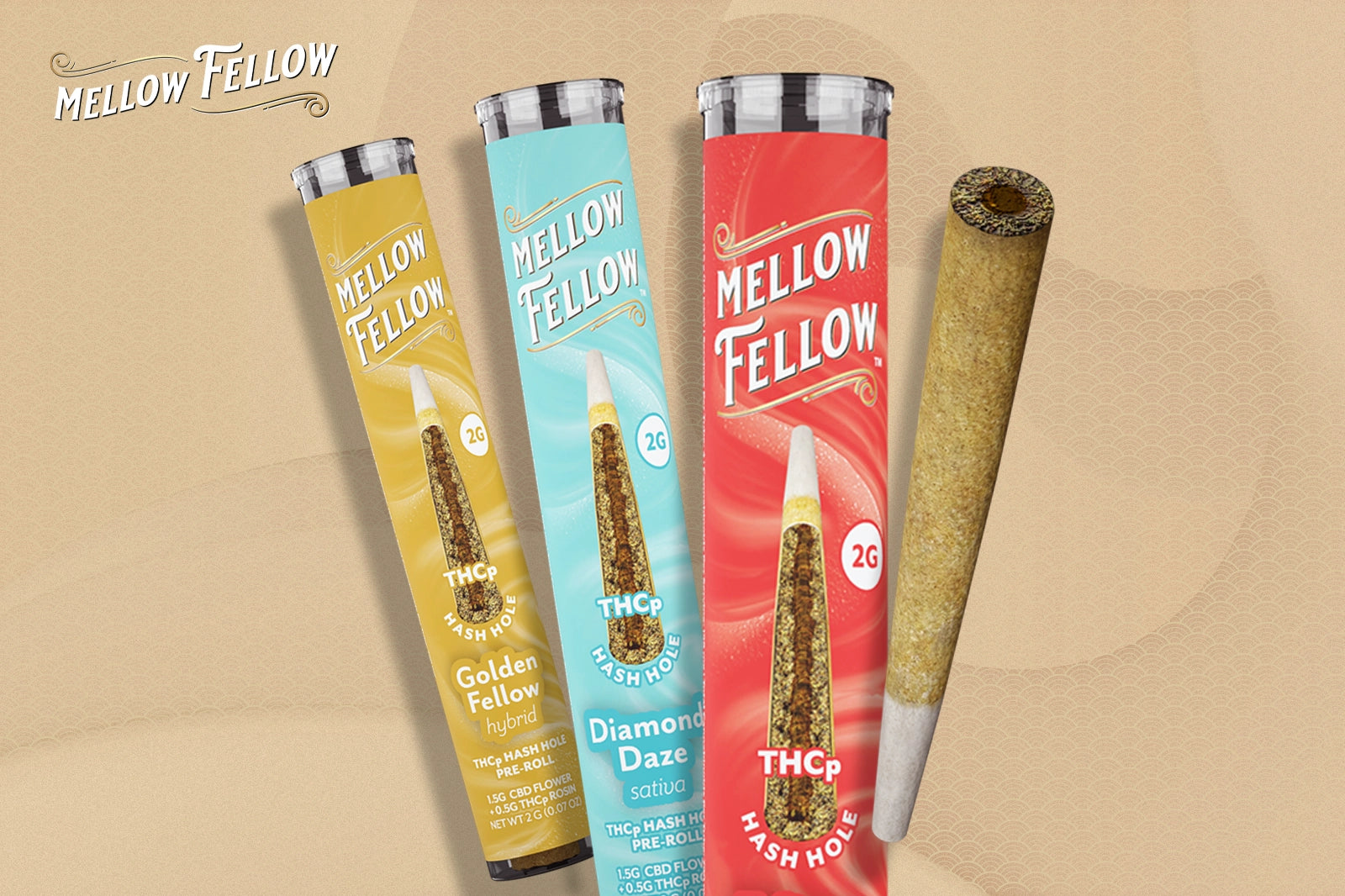
Mellow Fellow’s THCp Hash Hole Pre-Rolls are designed for experienced consumers who want a heavier, longer-lasting experience. Each pre-roll combines THCp flower with THCp rosin for a powerful smoke session with bold flavor and a slow, even burn.
Eclipse Kush (Indica)
Eclipse Kush leans deep into classic indica territory with earthy vanilla notes, sweet haze aromas, and a heavy body buzz that settles in gradually. The slow-burning format gives the strain room to fully develop, making it a strong evening option when you want to switch gears and fully relax. The flavor stays smooth from start to finish thanks to the concentrated rosin core.
Diamond Daze (Sativa)
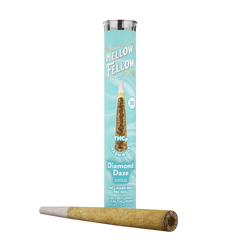
Diamond Daze brings a sharper, brighter terpene profile with citrus, spice, and subtle earthy undertones layered into each inhale. This sativa-focused THCp pre-roll is built for consumers chasing an energetic cerebral effect with long-lasting intensity. The rosin center gives the smoke a thicker texture while helping preserve flavor consistency throughout the session.
Golden Fellow (Hybrid)
Golden Fellow balances body relaxation with an upbeat mental effect, creating a hybrid profile that works well for social sessions or slower evenings. Sweet herbal notes mix with creamy undertones while the THCp infusion pushes the potency far beyond a standard pre-roll. It’s a smooth-smoking option with a noticeably rich finish and lingering flavor.
THCa Hash Holes
Mellow Fellow’s THCa Hash Hole Pre-Rolls focus more on classic cannabis strain profiles while still delivering the thick smoke and boosted potency hash holes are known for. Each one pairs THCa flower with a concentrated rosin core for a fuller, terpene-rich experience.
Space Cake (Hybrid)
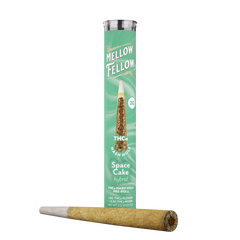
Space Cake combines creamy sweetness with light fruity notes and a balanced hybrid effect that starts mentally uplifting before settling into a calmer finish. The rosin core adds density to the smoke while helping maintain a slow, even burn. It’s a versatile option that works well for laid-back nights or casual sessions with friends.
Grape Ape OG (Indica)
Grape Ape OG delivers classic grape-forward flavor backed by herbal earthiness and a heavier indica-style body effect. The inhale stays smooth and slightly sweet, while the exhale carries more skunky depth and lingering terpene richness. This strain is especially suited for slower evenings when you want a heavier, more calming smoke.
Daydream (Sativa)
Daydream pushes bright berry flavors and subtle citrus notes alongside an uplifting, creative head high. The sativa profile feels energetic without becoming too racy, making it a solid daytime option for experienced consumers. The added rosin core intensifies both flavor and potency while keeping the burn steady all the way through.
Hash Hole vs. Other Infused Joints
Not all infused pre-rolls are hash holes. Here is how the formats compare:
|
Format |
Core Structure |
Burn Rate |
Potency Range |
Best For |
|
Hash hole |
Internal concentrate rope |
Slow (30-50% longer) |
40-60%+ |
Experienced, flavor-focused users |
|
Infused pre-roll (coated) |
Kief or oil on outside |
Moderate |
25-40% |
Beginners to concentrates |
|
Moon rock joint |
Bud coated in oil + kief |
Very slow, uneven |
50-70% |
High-tolerance users |
|
Standard joint |
Flower only |
Normal |
15-25% |
All experience levels |
The key difference between a hash hole and a coated infused joint is where the concentrate lives. A coated joint wraps concentrate on the outside; a hash hole puts it at the core. That structural difference is what creates the donut burn pattern and the slower, more consistent release of vapor and terpenes.
A hash hole also differs from a moon rock joint in burn consistency. Moon rocks tend to canoe or go out due to the irregular outer coating. A well-rolled hash hole, by contrast, burns evenly because the concentrate is contained and the outer flower acts as an even fuel source.
Grab Mellow Fellow Hash Holes today and enjoy a richer, more potent pre-roll experience.
Why the Donut Shape Forms
The visual signature of a hash hole – the hollow ring in the ash – comes down to differential burn rates between flower and concentrate.
Rosin and hash are denser than ground flower. They combust more slowly, holding structural integrity longer as the flower around them is consumed. According to research on cannabinoid thermal degradation published in Frontiers in Chemistry, cannabis plant material undergoes distinct thermal decomposition stages depending on density and moisture content. The dense concentrate core simply outlasts the flower casing, leaving the ring.
Over a long session, this translates to:
- A donut-shaped cross-section of ash as the joint burns down
- Visible concentrate glistening at the burn line before it catches
- Slightly more resistance on the draw compared to a standard joint
Choosing the Right Hash for a Hash Hole
Not all hash performs equally in this format. The consistency of the source material determines whether the rope holds, how evenly it burns, and how the terpene profile comes through.
|
Hash Type |
Consistency |
Roll-ability |
Flavor |
Best Use |
|
Live rosin |
Semi-solid, badder-like |
High |
Full spectrum, bright |
Premium hash holes |
|
Bubble hash (full melt) |
Dry to semi-dry |
Medium |
Clean, complex |
Traditional hash holes |
|
Dry sift hash |
Powdery |
Low (crumbles) |
Good |
Mixed into flower only |
|
BHO / distillate |
Liquid at temp |
Poor (runs) |
Variable |
Coating, not core |
For the cleanest result, most rollers use a 3-6 star bubble hash or fresh-press live rosin. The differences between live rosin and distillate carts explain why solventless formats are preferred when terpene integrity is the goal.
Solventless hash carries no residual solvents, which matters when it will be combusted directly. Research on residual solvents in cannabis concentrates published in PMC confirms that butane and propane solvents used in BHO production must be carefully purged, and that standard USP guidelines do not even include limits for these petroleum-derived solvents – an issue not present with water-extracted or mechanically pressed alternatives.
Are Hash Holes Worth It?
For experienced consumers who value terpene expression, slow sessions, and strong effects in a familiar smoking format, yes. The hash hole delivers a full-spectrum experience that neither a standard joint nor a dab can replicate exactly: the ritual and social dimension of passing a joint, with the flavor depth and potency of top-shelf concentrate.
For beginners or those sensitive to potency, it is a format to approach after building familiarity with lower-dose infused options first. The slow burn can be deceiving – a session that lasts 20 minutes is still delivering a high-concentration cannabinoid load throughout.
If you want to start with infused formats before committing to a hash hole, Mellow Fellow’s pre-roll collection and live resin edibles offer accessible, well-dosed entry points that share the full-spectrum philosophy of the hash hole without the same potency ceiling.
Browse all products at Mellow Fellow to find the right format for your experience level. Pick up Mellow Fellow Hash Hole Pre-Rolls for a smoother, stronger way to enjoy your next session.
Sources
- Frontiers | Effect of temperature in the degradation of cannabinoids: From a brief residence in the gas chromatography inlet port to a longer period in thermal treatments
- Cannabis Contaminants: Regulating Solvents, Microbes, and Metals in Legal Weed – PMC
- BHO vs Solventless Extraction: Which Is Right for Your Lab?
- Cannabis (Marijuana) | National Institute on Drug Abuse (NIDA)
- Densities and Viscosities of Cannabis Extracts and Distillates, and Densities, Viscosities, Fusion Enthalpy, and Melting Point of Cannabidiol | Journal of Chemical & Engineering Data