
What Does THCp Do? Effects, Benefits, and Uses Explained

Quick Answer: THCp (tetrahydrocannabiphorol) binds to CB1 receptors with approximately 30 times greater affinity than Delta 9 THC, producing intense psychoactive effects at lower doses. Users report deeper relaxation, stronger pain relief, and prolonged duration compared to traditional THC – typically 3 to 5 hours depending on delivery method and individual tolerance.
THCp is one of the most potent cannabinoids discovered in modern cannabis science, capable of producing intense effects at surprisingly low doses. This guide explains how THCp works in the body, what users typically feel, potential wellness applications, safe dosing strategies, and how it compares to traditional THC so you can decide whether this powerful compound fits your experience level and goals.
Key Takeaways
- THCp shows 33-fold higher CB1 receptor binding affinity than Delta 9 THC in laboratory studies.
- Effects onset varies: 5 to 10 minutes (inhalation), 45 to 90 minutes (edibles).
- Common reported effects include deep relaxation, pain relief, sleep support, and enhanced sensory perception.
- Start with minimal doses (1 to 2 mg) due to THCp’s high potency and bioactivity.
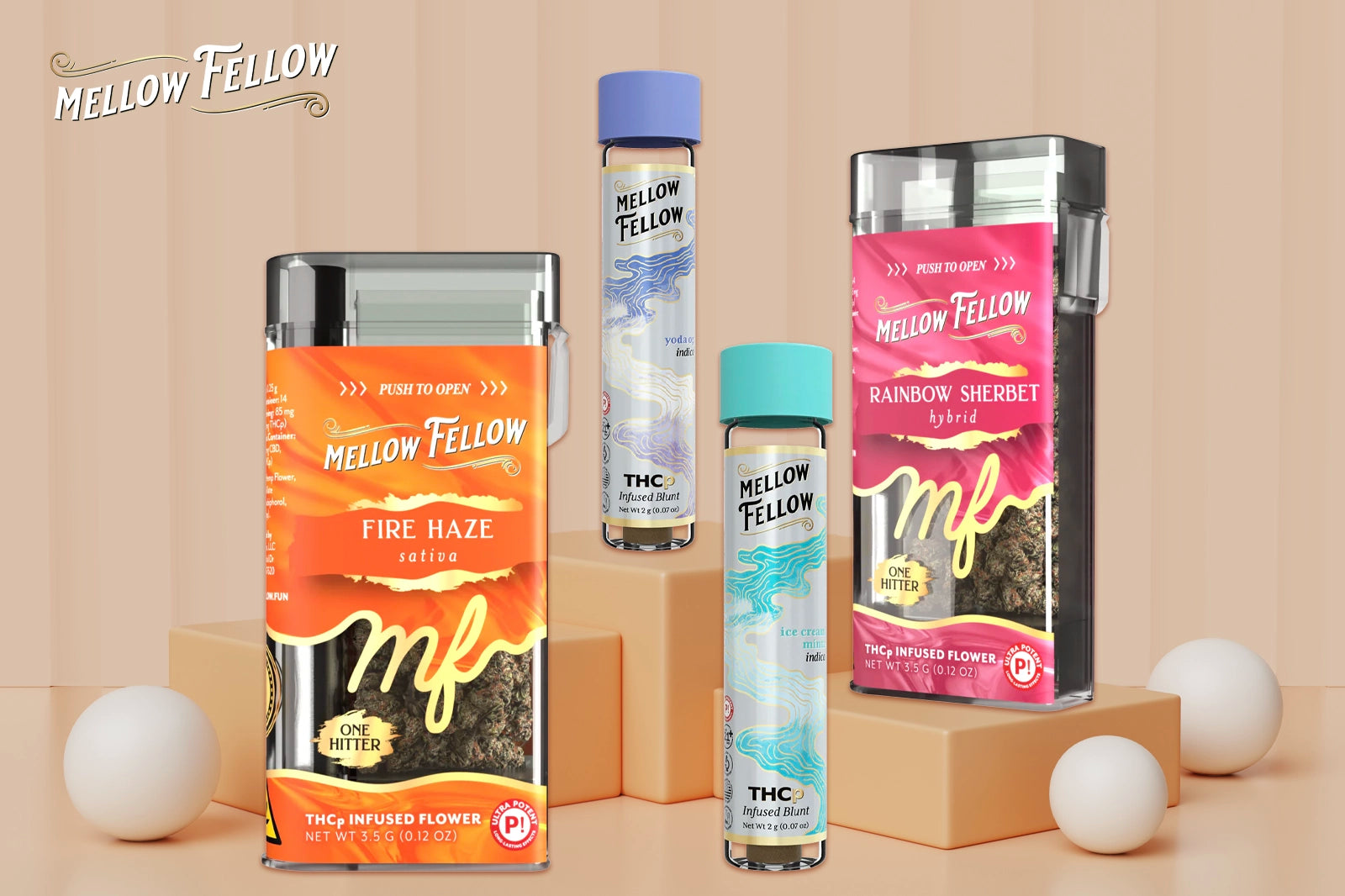
- Mellow Fellow’s THCp flower and infused blunts deliver consistent, lab-tested cannabinoid experiences.
THCp’s Mechanism of Action and CB1 Receptor Binding
THCp’s mechanism of action centers on its interaction with the endocannabinoid system, specifically the CB1 receptors concentrated in the brain and central nervous system. Research published in Nature Scientific Reports demonstrates that THCp’s longer alkyl side chain (seven carbon atoms versus five in Delta 9 THC) creates a more stable fit within the CB1 receptor binding pocket.
This enhanced cannabinoid receptor affinity translates to what does THCp do to your body at the molecular level: more efficient activation of neural pathways that regulate mood, pain perception, appetite, and memory. The THCp pharmacology profile shows bioactivity levels that require careful dose management, making it distinct from other hemp-derived cannabinoids.
When you consume THCp flower like Vanilla Kush, the cannabinoid enters your bloodstream and crosses the blood-brain barrier, where THCp CB1 receptor binding triggers a cascade of neurochemical responses. This process produces the characteristic THCp effects users seek through the endocannabinoid system.
What Are the Effects of THCp? How THCp Affects the Body
How THCp affects the body varies by individual factors including body weight, metabolism, tolerance, and consumption method.
Physical THCp Effects
- Deep muscle relaxation and tension release throughout the body
- Reduced pain perception and inflammation response
- Increased appetite and sensory enhancement across taste, touch, and sound
- Heavier body sensations often described as sedation or “couch lock”
Mental and Recreational THCp Effects
- Intense euphoria and mood elevation beyond standard THC
- Altered time perception and enhanced creativity
- Heightened focus or mental cloudiness depending on dose and strain
- Reduced anxiety at low doses, potential anxiety at high doses
- Enhanced introspection and emotional awareness

The THCp effects timeline shows faster onset when using infused pre-rolls like Super Boof compared to edibles or tinctures. Inhalation delivers cannabinoids directly to the lungs, allowing rapid absorption into the bloodstream and quick access to CB1 receptors.
|
Consumption Method |
Onset Time |
Peak Effects |
Total Duration |
|
THCp Flower/Pre-rolls |
5-10 minutes |
30-60 minutes |
3-5 hours |
|
THCp Vapes |
2-5 minutes |
20-45 minutes |
2-4 hours |
|
THCp Edibles |
45-90 minutes |
2-3 hours |
6-8 hours |
|
THCp Tinctures |
15-30 minutes |
60-90 minutes |
4-6 hours |
Understanding what to expect from THCp helps users plan their experience around work schedules, social commitments, and sleep cycles. The duration of THCp effects depends on these variables and individual endocannabinoid system function.
THCp Benefits and Therapeutic Effects: What Is THCp Used For?
What is THCp used for in wellness contexts? The therapeutic potential of THCp spans multiple application areas, though clinical research remains limited due to the cannabinoid’s recent discovery in 2019. THCp medicinal uses and therapeutic effects currently reported by consumers include pain management, sleep support, appetite stimulation, and mood regulation.
THCp for Pain Relief and Inflammation
The enhanced CB1 receptor binding may amplify pain-modulating effects compared to standard THC. Users managing chronic pain conditions report that THCp therapeutic effects provide relief at lower doses than traditional cannabis products. Research on cannabinoid pain management suggests that stronger CB1 activation correlates with improved pain signal interruption.
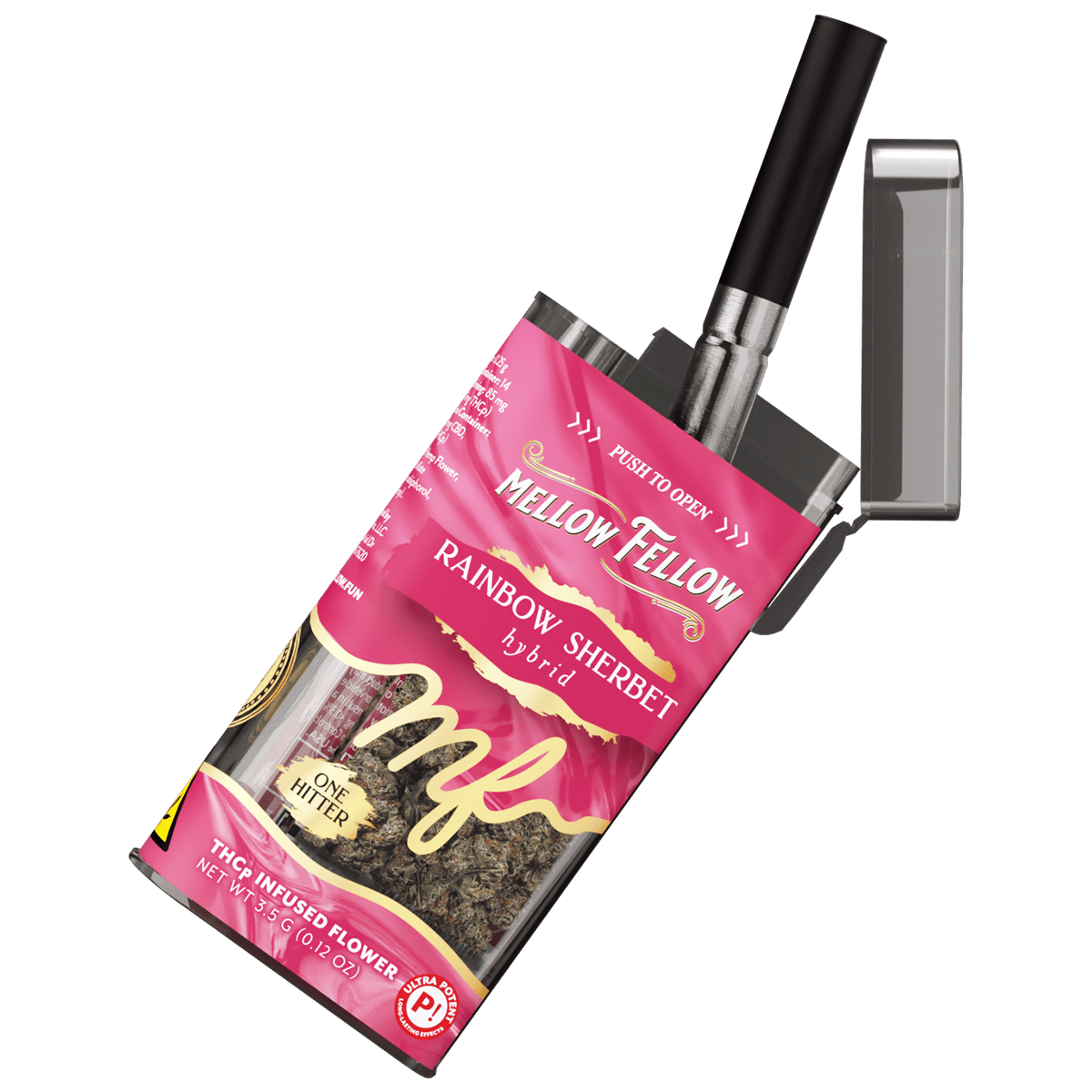
What is THCp good for in terms of specific pain types? Users report effectiveness for neuropathic pain, arthritis, migraines, muscle soreness, and injury-related inflammation. The Rainbow Sherbet THCp flower offers balanced hybrid effects that combine pain relief with functional clarity.
THCp for Sleep and Deep Rest
Indica-dominant THCp flower options like Purple Goo or the Yoda OG infused blunt are commonly used to support sleep quality. The sedative properties become more pronounced at moderate doses, making THCp good for addressing insomnia or restless sleep patterns. Users often report falling asleep faster and experiencing fewer nighttime disruptions.
The THCp wellness applications for sleep work through multiple pathways: reduced racing thoughts, physical relaxation, decreased pain that interrupts rest, and natural sleep cycle regulation. The Ice Cream Mintz infused blunt delivers these sedative THCp benefits with a smooth, creamy flavor profile.
THCp for Anxiety and Stress Management
The relationship between THCp and anxiety follows a bell curve pattern. Low doses (1 to 3 mg) may reduce stress and promote relaxation, while higher doses can trigger heightened anxiety or paranoia in sensitive individuals. Responsible THCp use for anxiety management requires careful titration and strain selection. Hybrid options like Lava Cake THCp flower offer balanced effects that calm without overwhelming sedation.
THCp vs THC Effects
How does THCp make you feel compared to traditional Delta 9 THC? The primary distinction lies in potency, intensity, and the overall THCp user experience. According to comparative cannabinoid studies, THCp produces stronger effects at doses 5 to 10 times lower than equivalent THC amounts.
|
Factor |
THCp |
Delta 9 THC |
|
CB1 Binding Affinity |
33x stronger |
Baseline (1x) |
|
Typical Effective Dose |
1-3 mg |
10-25 mg |
|
Effect Intensity |
Very strong |
Moderate to strong |
|
Duration |
Longer (3-5+ hours) |
Standard (2-4 hours) |
|
Tolerance Build |
Faster |
Moderate |
|
Onset Speed (smoked) |
5-10 minutes |
5-15 minutes |
Curious about other potent cannabinoids? Read our guide on THCp vs THC differences for adeeper comparison of uses and effects.

Practical THCp Uses and Everyday Applications
What is THCp good for in daily life? The everyday uses for THCp and practical THCp uses depend on individual wellness goals, experience level, and desired outcomes. Understanding THCp effects helps users integrate the cannabinoid into their routines responsibly.
Recreational THCp Effects and Social Use
Sativa-leaning strains like Fire Haze THCp flower or Lemon Sweet Skunk deliver uplifting effects suitable for creative projects, social gatherings, or outdoor activities. Users report enhanced music appreciation, deeper conversations, and heightened sensory experiences with these energizing profiles.
The Cereal Milk infused blunt offers hybrid effects that work for both active and relaxed settings, making it a versatile option for different social contexts and recreational THCp effects.
THCp Wellness Applications and Daily Integration
Many consumers integrate THCp into their wellness routines for specific outcomes. Morning microdoses (0.5 to 1mg) may improve focus without strong psychoactive effects, while evening doses support relaxation and sleep preparation. The THCp potency guide offers dosing strategies for different wellness goals and explains THCp effects and benefits across dose ranges.

Ready to try THCp? Browse Mellow Fellow’s THCp flower collection for lab-tested, premium options with detailed cannabinoid profiles.
Safe THCp Dosing and Usage Guidelines for Different Experience Levels
The high potency of THCp requires a cautious approach, especially for first-time users or those transitioning from standard THC products. Safe THCp dosing practices prevent overwhelming experiences and help users find their optimal range.
Starting Dose Recommendations by Experience
- First-time cannabinoid users: 0.5 to 1mg maximum
- Experienced THC users: 1 to 2mg initial dose
- High-tolerance individuals: 2 to 3mg maximum initial dose
- Wait 2 hours (flower) or 3 hours (edibles) before considering additional doses
- Keep a journal to track THCp effects explained by dose and strain
THCp tolerance considerations matter for regular users who want to maintain THCp benefits over time. Daily consumption can lead to rapid tolerance build-up, requiring higher doses to achieve the same effects. Take tolerance breaks every 2 to 3 weeks to maintain sensitivity and reduce the risk of dependence.
THCp Side Effects and Responsible Use Considerations
What does THCp do to your body beyond the desired effects? Like all cannabinoids, THCp carries potential side effects, particularly at higher doses. Understanding these helps users practice responsible THCp use and prepare for their experience.
Common THCp Side Effects
- Dry mouth and increased thirst (most common)
- Red eyes and light sensitivity
- Increased heart rate or tachycardia
- Dizziness, lightheadedness, or loss of balance
- Short-term memory impairment during effects
- Anxiety, paranoia, or racing thoughts (dose-dependent)
- Fatigue or excessive sedation
- Impaired motor coordination
Responsible THCp use includes understanding contraindications. Avoid THCp if you have a personal or family history of psychosis, severe anxiety disorders, or cardiovascular conditions. Pregnant or nursing individuals should not use THCp or other psychoactive cannabinoids. Never drive or operate machinery while experiencing THCp cannabinoid effects.
THCp usage guidelines also recommend starting consumption in a safe, familiar environment with trusted people present, especially for first-time users. The complete guide to THCp benefits includes safety protocols for different consumption methods.
Choosing Quality THCp Products for Consistent Effects
The THCp effects explained in this guide depend on product quality and cannabinoid accuracy. Third-party lab testing confirms THCp content, checks for contaminants, and verifies legal compliance under the 2018 Farm Bill. Understanding THCp effects requires knowing exactly what cannabinoids and terpenes are present in each product.
Mellow Fellow’s THCp flower and infused pre-rolls undergo rigorous testing for
- Cannabinoid potency and profile accuracy (THCp, THC, CBD, CBN levels)
- Residual solvents and pesticides
- Heavy metals and microbial contaminants
- Terpene content and flavor profiles
- Moisture content and proper curing verification
Products like the Vanilla Kush THCp flower, Purple Goo, Rainbow Sherbet, Lemon Sweet Skunk, Lava Cake, and Fire Haze include QR-coded lab reports for transparency. This commitment to testing helps users understand what to expect from THCp in each batch.
The infused blunt line, including Yoda OG, Ice Cream Mintz, Super Boof, and Cereal Milk, combines THCp flower with additional cannabinoids for enhanced entourage effects and consistent THCp therapeutic effects.
For more on product selection, read our guide on choosing high-quality THCp products.
Frequently Asked Questions
What Does THCp Do to Your Brain and Body?
THCp binds to CB1 receptors in the brain with 33 times greater affinity than Delta 9 THC, producing intense psychoactive effects including euphoria, altered perception, and deep relaxation. The cannabinoid modulates neurotransmitter release through the endocannabinoid system, affecting mood, memory, pain perception, and appetite regulation. What does THCp do physically includes muscle relaxation, reduced inflammation, and altered sensory processing.
How Does THCp Make You Feel Compared to Regular THC?
THCp produces stronger, longer-lasting effects at much lower doses than traditional THC. Users report more intense body relaxation, heightened euphoria, enhanced sensory perception, and deeper sedation depending on strain. The experience feels similar to high-dose THC edibles but with faster onset when smoked or vaped. THCp vs THC effects show THCp delivers more powerful experiences at 5 to 10 times lower doses.
What Is THCp Used For in Terms of Wellness and Medicine?
THCp shows potential for pain relief, sleep support, anxiety reduction at low doses, appetite stimulation, nausea relief, and mood enhancement. Users commonly apply THCp for chronic pain management, insomnia, stress relief, PTSD symptoms, and creative enhancement. THCp therapeutic effects and medicinal uses include muscle spasm reduction, inflammation management, and mood disorder support, though clinical research remains limited.
What Are the Effects of THCp on Sleep Quality?
THCp for sleep works through strong CB1 receptor activation that promotes sedation, especially in indica-dominant strains. Users report falling asleep faster, staying asleep longer, experiencing deeper rest, and waking more refreshed. Moderate doses (2 to 4 mg) taken 30 to 60 minutes before bed produce the strongest sleep benefits through reduced racing thoughts and physical relaxation.
How Long Do THCp Effects Last and What Is the Timeline?
THCp effects timeline varies by consumption method. Smoked or vaped THCp lasts 3 to 5 hours, with peak effects at 30 to 60 minutes. Edible THCp can last 6 to 8 hours due to liver metabolism into more potent compounds. Individual factors like metabolism, tolerance, body weight, and dose influence total duration and intensity of THCp cannabinoid effects.
What Is Safe THCp Dosing for Beginners and First-Time Users?
Safe THCp dosing for first-time users starts at 0.5 to 1 mg maximum. Experienced THC consumers can begin at 1 to 2 mg. Wait at least 2 hours between doses to assess effects fully. THCp’s high potency means less is more – avoid the temptation to redose quickly. Responsible THCp use requires patience and gradual dose increases over multiple sessions.
Does THCp Show Up on Drug Tests and Employment Screening?
Yes, THCp will likely trigger positive results on standard drug tests that screen for THC metabolites. The cannabinoid breaks down into similar compounds as Delta 9 THC, making it indistinguishable from traditional cannabis use in most employment, legal, or athletic testing scenarios. THCp usage guidelines recommend avoiding consumption if drug testing is required.
What Are THCp Side Effects at High Doses?
High-dose THCp side effects include intense anxiety or paranoia, rapid heart rate or palpitations, dizziness and vertigo, nausea and potential vomiting, overwhelming sedation, and cognitive impairment. Some users experience difficulty with coordination, short-term memory loss, or uncomfortable body sensations. Start with minimal doses to avoid adverse reactions, especially if you’re new to cannabinoids or have lower tolerance.
Can You Build Tolerance to THCp Effects?
Yes, THCp tolerance considerations are important for regular users who want to maintain consistent THCp benefits. Daily consumption leads to rapid tolerance build-up through CB1 receptor downregulation, requiring higher doses for the same effects. Take periodic breaks (1 to 2 weeks) every month to reset cannabinoid receptor sensitivity and prevent tolerance from escalating.
What Is THCp Used For Medically and What Are Its Benefits?
THCp medicinal uses include pain management for chronic conditions, sleep disorders and insomnia, appetite loss from illness or treatment, nausea and vomiting relief, anxiety and stress reduction, muscle spasms and tension, and mood disorders like depression. THCp benefits and therapeutic potential remain under-researched clinically, so medical applications rely primarily on anecdotal evidence and extrapolation from THC studies.
How Does THCp Affect the Body Differently Than CBD?
THCp affects the body through strong psychoactive effects via CB1 receptor binding, producing euphoria, altered perception, and intoxication. CBD is non-intoxicating and works through different mechanisms including serotonin receptors, enzyme inhibition, and indirect endocannabinoid system modulation. THCp produces a significant “high” while CBD does not, making their uses and effects completely different.
What Are the Best THCp Products for Pain Relief?
THCp for pain relief works best in indica-dominant strains like Purple Goo and Yoda OG or hybrid blends like Lava Cake that combine cannabinoids and pain-modulating terpenes like myrcene and linalool. THCp flower and infused pre-rolls deliver strong body effects that may interrupt pain signals through enhanced CB1 activation. Start with low doses and increase gradually to find your effective pain management threshold.
What Does THC-P Do for Creativity and Focus?
What does THC-P do for mental performance depends on dose and strain. Low doses of sativa-dominant THCp like Lemon Sweet Skunk or Fire Haze may enhance creative thinking, pattern recognition, and novel idea generation. However, higher doses typically impair focus and working memory. THCp recreational effects for creativity work best at microdose levels (0.5 to 1.5 mg) with uplifting terpene profiles.
How Do THCp Uses and Effects Compare to Delta 8?
THCp uses and effects are significantly more potent than Delta 8 THC. While Delta 8 produces milder, clearer-headed effects, THCp delivers intense experiences similar to or exceeding Delta 9 THC. THCp requires doses 10 to 20 times lower than Delta 8 for comparable subjective effects, making it better suited for experienced users seeking strong cannabinoid effects rather than functional, daytime use.
What Is the THCp Bioactivity and Receptor Affinity?
THCp bioactivity shows approximately 33-fold greater binding affinity for CB1 receptors compared to Delta 9 THC, according to research on cannabinoid receptor affinity. This enhanced binding creates stronger and longer-lasting activation of CB1-mediated pathways in the brain and body. The THCp mechanism of action through superior receptor fit explains why such low doses produce powerful effects across pain, mood, and perception.
Sources
- Cannabidiol-Derived Cannabinoids: The Unregulated Designer Drug Market Following the 2018 Farm Bill – PMC
- Cannabinoids as novel anti-inflammatory drugs – PMC
- HHCp vs THCp: Comparing the Differences
- A novel phytocannabinoid isolated from Cannabis sativa L. with an in vivo cannabimimetic activity higher than Δ9-tetrahydrocannabinol: Δ9-Tetrahydrocannabiphorol | Scientific Reports
- (−)-trans-Δ9-Tetrahydrocannabiphorol Content of Cannabis sativa Inflorescence from Various Chemotypes | Journal of Natural Products
- Delta 8, Delta-10, HHC, THC-O, THCP, and THCV: What Should We Call These Products?: Journal of Studies on Alcohol and Drugs: Vol 84, No 3
Frequently Asked Questions
What Does THCp Do to Your Brain and Body?
THCp binds to CB1 receptors in the brain with 33 times greater affinity than Delta 9 THC, producing intense psychoactive effects including euphoria, altered perception, and deep relaxation. The cannabinoid modulates neurotransmitter release through the endocannabinoid system, affecting mood, memory, pain perception, and appetite regulation. What does THCp do physically includes muscle relaxation, reduced inflammation, and altered sensory processing.
How Does THCp Make You Feel Compared to Regular THC?
THCp produces stronger, longer-lasting effects at much lower doses than traditional THC. Users report more intense body relaxation, heightened euphoria, enhanced sensory perception, and deeper sedation depending on strain. The experience feels similar to high-dose THC edibles but with faster onset when smoked or vaped. THCp vs THC effects show THCp delivers more powerful experiences at 5 to 10 times lower doses.
What Is THCp Used For in Terms of Wellness and Medicine?
THCp shows potential for pain relief, sleep support, anxiety reduction at low doses, appetite stimulation, nausea relief, and mood enhancement. Users commonly apply THCp for chronic pain management, insomnia, stress relief, PTSD symptoms, and creative enhancement. THCp therapeutic effects and medicinal uses include muscle spasm reduction, inflammation management, and mood disorder support, though clinical research remains limited.
What Are the Effects of THCp on Sleep Quality?
THCp for sleep works through strong CB1 receptor activation that promotes sedation, especially in indica-dominant strains. Users report falling asleep faster, staying asleep longer, experiencing deeper rest, and waking more refreshed. Moderate doses (2 to 4 mg) taken 30 to 60 minutes before bed produce the strongest sleep benefits through reduced racing thoughts and physical relaxation.
How Long Do THCp Effects Last and What Is the Timeline?
THCp effects timeline varies by consumption method. Smoked or vaped THCp lasts 3 to 5 hours, with peak effects at 30 to 60 minutes. Edible THCp can last 6 to 8 hours due to liver metabolism into more potent compounds. Individual factors like metabolism, tolerance, body weight, and dose influence total duration and intensity of THCp cannabinoid effects.
What Is Safe THCp Dosing for Beginners and First-Time Users?
Safe THCp dosing for first-time users starts at 0.5 to 1 mg maximum. Experienced THC consumers can begin at 1 to 2 mg. Wait at least 2 hours between doses to assess effects fully. THCp’s high potency means less is more – avoid the temptation to redose quickly. Responsible THCp use requires patience and gradual dose increases over multiple sessions.
Does THCp Show Up on Drug Tests and Employment Screening?
Yes, THCp will likely trigger positive results on standard drug tests that screen for THC metabolites. The cannabinoid breaks down into similar compounds as Delta 9 THC, making it indistinguishable from traditional cannabis use in most employment, legal, or athletic testing scenarios. THCp usage guidelines recommend avoiding consumption if drug testing is required.
What Are THCp Side Effects at High Doses?
High-dose THCp side effects include intense anxiety or paranoia, rapid heart rate or palpitations, dizziness and vertigo, nausea and potential vomiting, overwhelming sedation, and cognitive impairment. Some users experience difficulty with coordination, short-term memory loss, or uncomfortable body sensations. Start with minimal doses to avoid adverse reactions, especially if you’re new to cannabinoids or have lower tolerance.
Can You Build Tolerance to THCp Effects?
Yes, THCp tolerance considerations are important for regular users who want to maintain consistent THCp benefits. Daily consumption leads to rapid tolerance build-up through CB1 receptor downregulation, requiring higher doses for the same effects. Take periodic breaks (1 to 2 weeks) every month to reset cannabinoid receptor sensitivity and prevent tolerance from escalating.
What Is THCp Used For Medically and What Are Its Benefits?
THCp medicinal uses include pain management for chronic conditions, sleep disorders and insomnia, appetite loss from illness or treatment, nausea and vomiting relief, anxiety and stress reduction, muscle spasms and tension, and mood disorders like depression. THCp benefits and therapeutic potential remain under-researched clinically, so medical applications rely primarily on anecdotal evidence and extrapolation from THC studies.
How Does THCp Affect the Body Differently Than CBD?
THCp affects the body through strong psychoactive effects via CB1 receptor binding, producing euphoria, altered perception, and intoxication. CBD is non-intoxicating and works through different mechanisms including serotonin receptors, enzyme inhibition, and indirect endocannabinoid system modulation. THCp produces a significant “high” while CBD does not, making their uses and effects completely different.
What Are the Best THCp Products for Pain Relief?
THCp for pain relief works best in indica-dominant strains like Purple Goo and Yoda OG or hybrid blends like Lava Cake that combine cannabinoids and pain-modulating terpenes like myrcene and linalool. THCp flower and infused pre-rolls deliver strong body effects that may interrupt pain signals through enhanced CB1 activation. Start with low doses and increase gradually to find your effective pain management threshold.
What Does THC-P Do for Creativity and Focus?
What does THC-P do for mental performance depends on dose and strain. Low doses of sativa-dominant THCp like Lemon Sweet Skunk or Fire Haze may enhance creative thinking, pattern recognition, and novel idea generation. However, higher doses typically impair focus and working memory. THCp recreational effects for creativity work best at microdose levels (0.5 to 1.5 mg) with uplifting terpene profiles.
How Do THCp Uses and Effects Compare to Delta 8?
THCp uses and effects are significantly more potent than Delta 8 THC. While Delta 8 produces milder, clearer-headed effects, THCp delivers intense experiences similar to or exceeding Delta 9 THC. THCp requires doses 10 to 20 times lower than Delta 8 for comparable subjective effects, making it better suited for experienced users seeking strong cannabinoid effects rather than functional, daytime use.
What Is the THCp Bioactivity and Receptor Affinity?
THCp bioactivity shows approximately 33-fold greater binding affinity for CB1 receptors compared to Delta 9 THC, according to research on cannabinoid receptor affinity. This enhanced binding creates stronger and longer-lasting activation of CB1-mediated pathways in the brain and body. The THCp mechanism of action through superior receptor fit explains why such low doses produce powerful effects across pain, mood, and perception.