As cannabis research advances, the plant continues to reveal new compounds with unique properties, sparking fresh interest in its potential. Among the latest discoveries, THCjd and THCP have emerged as rare cannabinoids that stand apart for their distinctive effects and possible applications in both recreational and wellness contexts.
Recent research has identified over 100 cannabinoids in cannabis, each with unique properties. These two cannabinoids are gaining attention for their notable differences from other compounds in the cannabis family, offering intriguing possibilities for enthusiasts and researchers alike.
Let’s take a closer look at THCjd and THCP, examining what sets them apart and how they could shape the future of cannabis use.
Key Takeaways
- Understanding these cannabinoids is pivotal for users seeking a nuanced cannabis experience, whether for recreation or potential therapeutic benefits.
- THCP, or tetrahydrocannabiphorol, has gained notoriety for its potency. Discovered more recently, its chemical structure sets it apart, making it potentially more potent than traditional THC.
- THCjd users report an above-and-beyond high with marked psychoactive effects and mild potential for hallucinations, providing an experience comparable to psilocybin mushrooms.
- While both are generally considered legal under federal law when derived from industrial hemp, regional regulations surrounding these and other potentially psychoactive hemp-derived cannabinoids may vary.
Overview of THCjd and THCP
The cannabinoids realm expands way beyond the famous THC and CBD, introducing lesser-known compounds like THCjd and THCP.
Officially known as THC-octyl, THCjd is a relatively rare cannabinoid. Its properties and effects are still being unraveled, but early findings suggest it could play a unique role in the cannabinoid landscape.
On the other hand, THCP, or tetrahydrocannabiphorol, has gained notoriety for its potency. Discovered more recently, its chemical structure sets it apart, making it potentially more potent than traditional THC.
THCP vs. THCjd: Effects and Potency Comparison
Both THCP and THCjd fall into the category of rare cannabinoids, with THCjd being the rarer of the two. Each of these cannabinoids has its unique characteristics.
THCP is considered one of the most potent cannabinoids discovered so far, with a 33 times greater affinity for binding to endocannabinoid receptors than regular THC, translating into 10 to 15 times greater potency compared to regular Delta 9 THC.
THCjd users report an above-and-beyond high with marked psychoactive effects and mild potential for hallucinations, providing an experience comparable to psilocybin mushrooms. The unique chemical structures of THCjd and THCP contribute to their distinct effects on the body and mind, with THCjd often considered a bit more potent.
Chemical Structure
Comparing the chemical structures of THCjd and THCP sheds insights into their potency and effects.
THCP extends the pentyl chain of regular THC, converting it to heptyl, which means that THCP has 7 carbon molecules instead of 5. This slight difference has an enormous impact on the effects of THCP, giving it 33 times more affinity to CB1 receptors and a psychoactive potency up to 15 times greater than that of Delta 9 THC.
THCjd, also called tetrahydrocannabioctyl, lengthens the side chain with one more carbon molecule than THCP, going from heptyl to octyl and generating a potency up to 19 times greater than that of traditional THC.
The consumption method also influences the effects of THCjd or THCP. Inhalation typically results in quicker yet milder effects, while edibles may yield a prolonged and deeper experience.
Potential Applications and Consumer Interest
THCP and THCjd are carving out roles in emerging cannabis products. Experts consider THCP particularly effective, potentially surpassing the psychoactive potency of regular THC.
THCjd, on its part, promises great potential for recreational use, opening the door to a new dimension of sensory enjoyment with cannabis.
Legal and Safety Considerations: Navigating THCjd vs. THCP Use
While both are generally considered legal under federal law when derived from industrial hemp, regional regulations surrounding these and other potentially psychoactive hemp-derived cannabinoids may vary.
The Legal Landscape of THCjd vs. THCP
The legal status of THCjd, much like THCP, remains uncertain due to its novelty and the fact that it remains in a legal gray area. While federal law generally permits their use when derived from industrial hemp, local regulations may differ across regions.
Some states have taken specific regulatory measures for alternative psychoactive cannabinoids derived from hemp, such as Delta 8, Delta 10, HHC, THCjd, and THCP.
Safety and Responsible Use
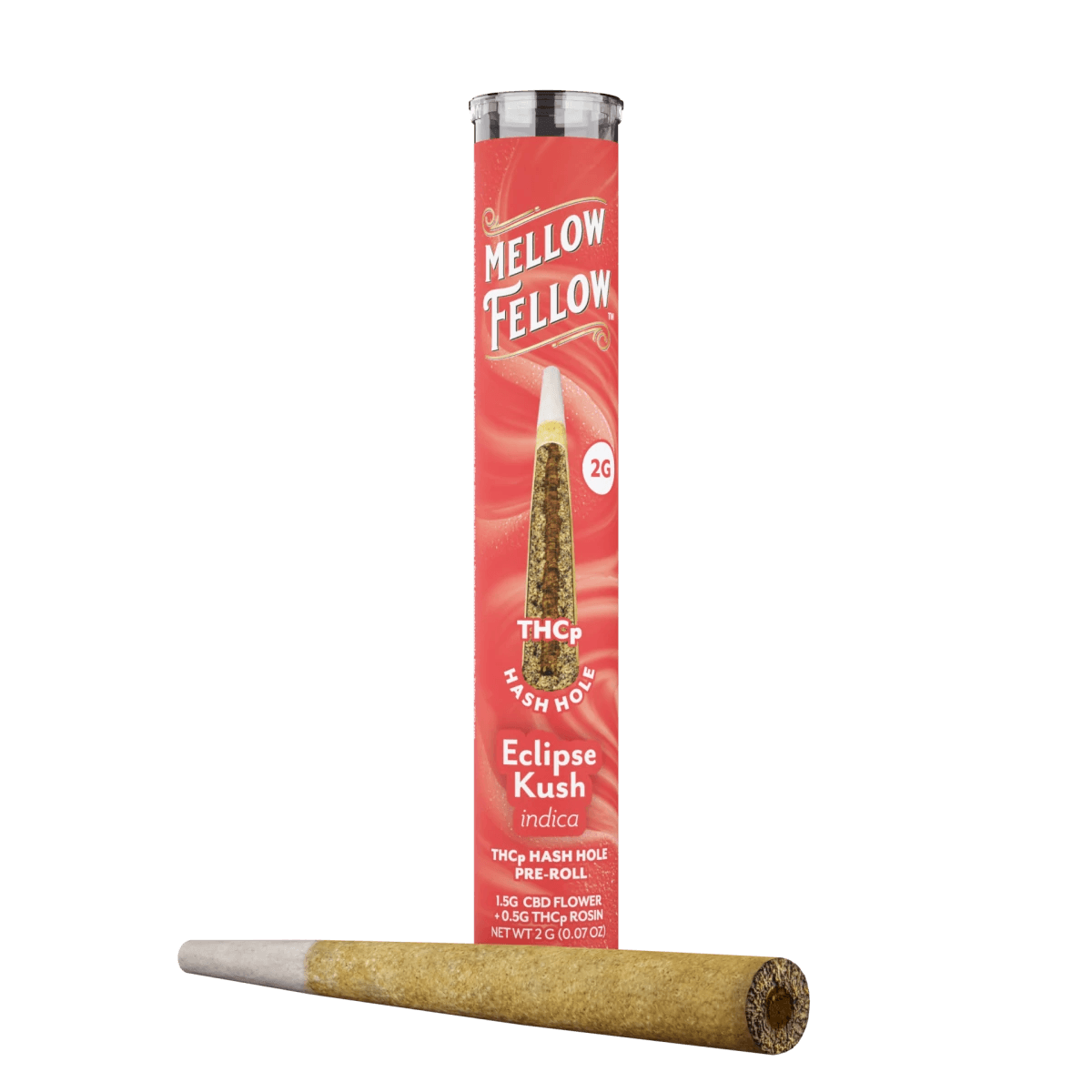
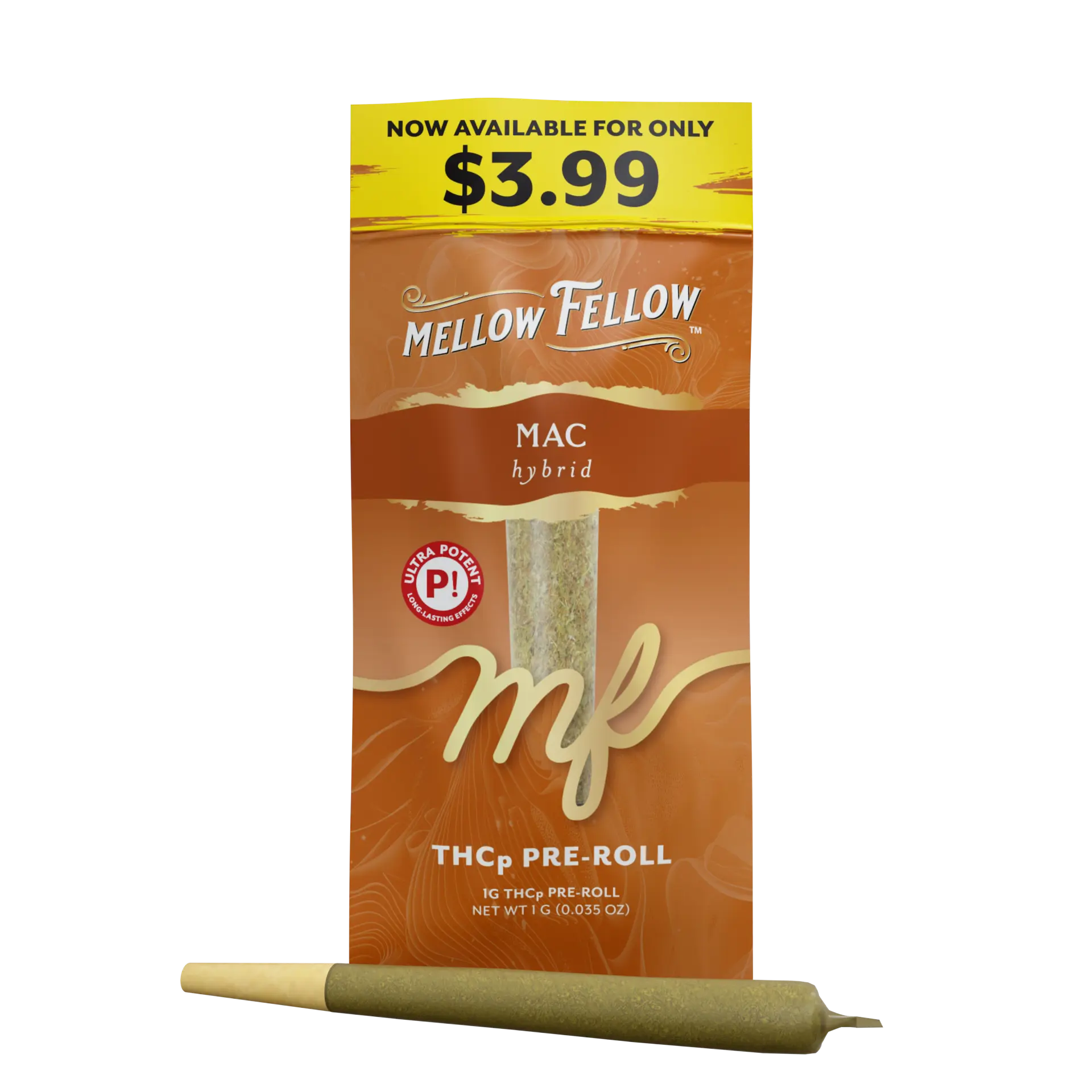
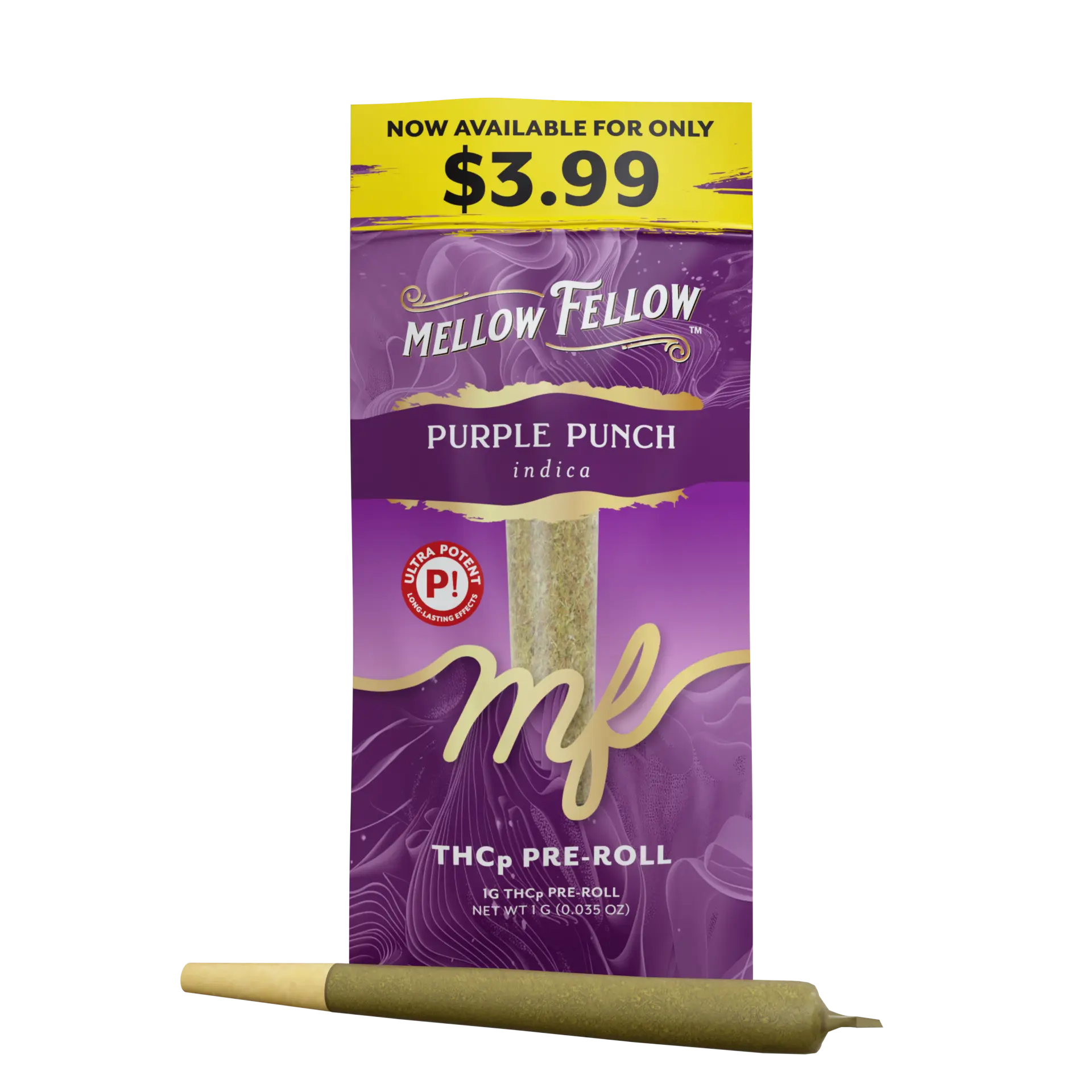
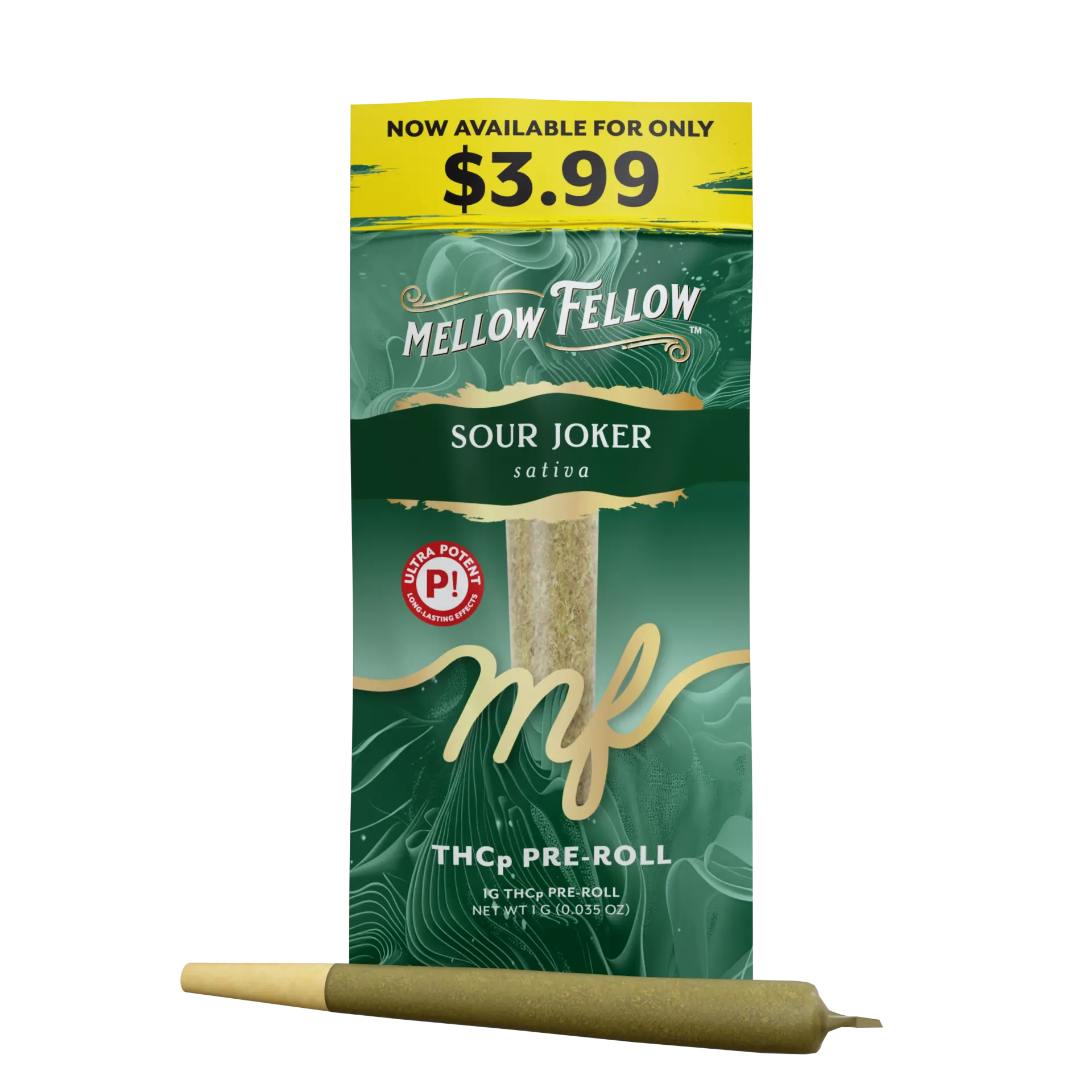
The milestone of safe and responsible THCjd and THCP use is choosing proven quality products from trusted sources. The good news is that if you are looking for a truly enjoyable, different, and, above all, safe THCP experience, Mellow Fellow has you covered!
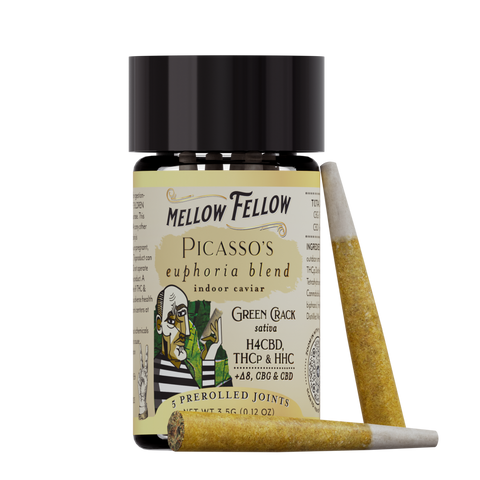
Our diverse THCP catalog, including our Euphoria Blend Miami 1ml Live Resin Disposables or our Picasso’s Euphoria Blend Prerolls, are a reflection of our commitment to quality.
Regardless of whether you choose THCjd or THCP, here are some tips to ensure a safe and enjoyable experience:
- Source wisely: Choose reputable brands like Mellow Fellow for quality THCP and THCjd products.
- Start low, go slow: Begin with a low dosage and gradually increase to gauge individual tolerance.
- Know your limits: Be aware of personal thresholds to prevent overconsumption and adverse effects.
- Stay informed: Keep abreast of legal and safety guidelines in your region.
- Mind your method: Consider the consumption method’s impact on the duration and intensity of effects.
- Prioritize quality: Opt for products tested for purity and potency.
- Mindful mixing: Avoid combining with other substances for a more controlled experience.
Final Thoughts
In the ongoing evolution of cannabinoid research, THCjd and THCP stand as exciting frontiers, each with unique properties and potential applications, offering glimpses into the potential of the cannabis plant.
As research continues to unfold, THCjd and THCP roles in both recreational and medicinal contexts become clearer, promising exciting future developments and a deeper understanding of these compounds.