
HHC vs THC: Effects and Potency Compared
Quick Answer: HHC (hexahydrocannabinol) shows 70-80% of THC’s potency because of its hydrogenated molecular structure. THC binds strongly to CB1 receptors with Ki values in the low nanomolar range, while HHC’s reduced receptor affinity creates milder psychoactive effects. HHC lasts 4-6 hours with clear-headed relaxation, while THC produces 2-4 hours of intense euphoria with greater anxiety risk.
The cannabinoid market continues expanding beyond traditional Delta 9 THC, with HHC (hexahydrocannabinol) gaining prominence as an alternative with distinct molecular properties and user experiences. Both compounds interact with the endocannabinoid system’s CB1 and CB2 receptors, but their structural differences create fundamentally different potency profiles and effect characteristics.
HHC’s creation through hydrogenation (adding hydrogen atoms to THC’s molecular structure) produces remarkable stability against oxidation, heat, and UV degradation.
This process transforms THC’s double carbon bond into a saturated configuration, reducing psychoactive intensity while extending shelf life and creating a more manageable experience for users seeking cannabinoid benefits without overwhelming effects.
Key Takeaways
- HHC exhibits 70-80% of Delta 9 THC’s potency based on CB1 receptor binding affinity studies
- Hydrogenation process creates HHC’s superior oxidative stability and extended 4-6 hour duration
- THC produces intense cerebral euphoria while HHC delivers clear-headed body relaxation with reduced anxiety
- Both remain federally legal under 2018 Farm Bill when hemp-derived with less than 0.3% Delta-9 THC
- Mellow Fellow’s HHC collection features pharmacist-formulated products with third-party lab verification
Chemical Structure: THC and HHC Molecules
Tetrahydrocannabinol (THC) contains the molecular formula C₂₁H₃₀O₂ with a distinctive double bond configuration creating its characteristic psychoactive properties. This double bond position determines THC’s strong affinity for CB1 receptors concentrated in the brain and central nervous system, where it produces pronounced euphoric and perceptual effects.
Hexahydrocannabinol (HHC) undergoes hydrogenation, replacing THC’s double bonds with hydrogen atoms through a process discovered by chemist Roger Adams in 1944. This saturation creates C₂₁H₃₂O₂ – two additional hydrogen atoms fundamentally altering the molecule’s binding characteristics and stability profile. The hydrogenated structure resists degradation from heat, light, and oxygen exposure significantly better than THC.
Research published in British Journal of Pharmacology shows that THC binds to cannabinoid receptors with Ki values in the low nanomolar range, indicating high receptor affinity. HHC’s modified structure shows measurably lower binding efficiency, directly correlating with its reduced psychoactive potency compared to Delta-9 THC.
HHC vs THC Potency: Receptor Binding and Psychoactive Strength
THC remains the more potent cannabinoid, with HHC delivering approximately 70-80% of Delta-9 THC’s psychoactive intensity. This potency difference comes from each compound’s distinct CB1 receptor binding characteristics and resulting activation of downstream signaling pathways.
Studies examining CB1 and CB2 receptor pharmacology reveal THC functions as a partial CB1 agonist with higher efficacy than many synthetic cannabinoids. HHC’s hydrogenated structure creates weaker CB1 binding, producing the characteristic “THC-lite” experience many users report: noticeable psychoactivity without overwhelming intensity.
| Property | THC (Delta-9) | HHC | Clinical Significance |
|---|---|---|---|
| CB1 Binding Affinity | High (low nM Ki) | Moderate (70-80% of THC) | Determines psychoactive intensity |
| Psychoactive Onset | 5-15 minutes (inhalation) | 10-20 minutes (inhalation) | HHC slower absorption |
| Effect Duration | 2-4 hours | 4-6 hours | HHC provides extended experience |
| Peak Intensity | Strong euphoria | Moderate relaxation | Anxiety risk lower with HHC |
| Stability | Degrades to CBN | Highly resistant | Extended shelf life for HHC |
Individual tolerance significantly impacts perceived potency. Cannabis-experienced users often find HHC’s effects mild and functional, while cannabinoid-naïve individuals may experience pronounced psychoactivity even from HHC’s reduced potency profile.
Effects Profile: THC vs HHC Experience
THC and HHC differ in terms of their effects and experience – here’s what you can expect.
THC Effects and User Experience
THC produces characteristic cannabis effects including intense euphoria, sensory enhancement, altered time perception, and pronounced changes in cognition and consciousness.
The compound’s strong CB1 activation creates both the sought-after “high” and potential adverse effects including anxiety, paranoia, and cognitive impairment at higher doses.
Common THC applications center on evening recreational use, creative exploration, and managing specific wellness concerns.
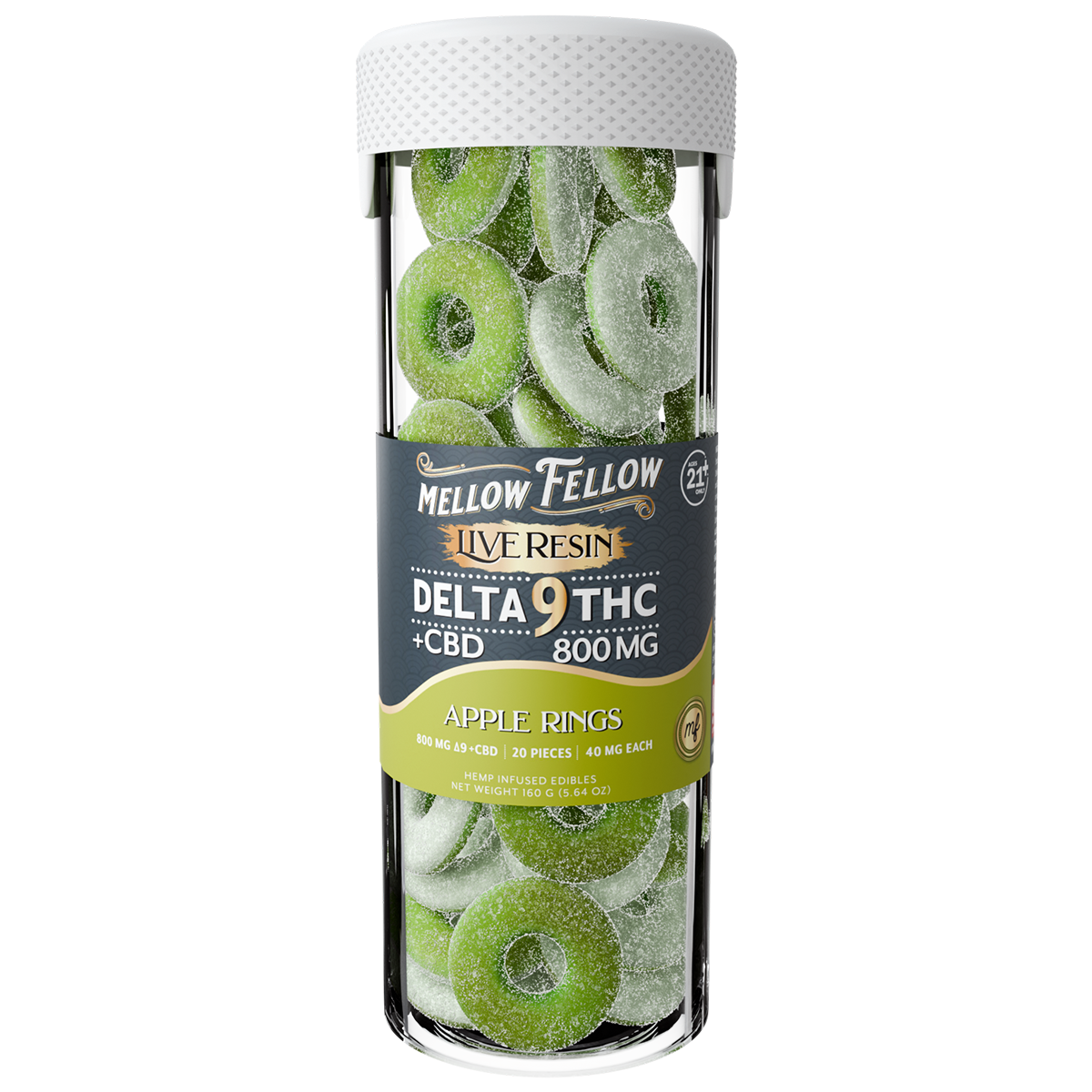
The intensity and cerebral nature of THC’s effects make it less suitable for daytime functionality or situations requiring mental clarity. Products like Delta 9 edibles and live resin vapes deliver measured THC experiences with predictable onset and duration.
HHC Effects and User Experience
HHC users consistently report more balanced, body-focused effects compared to THC’s cerebral intensity. The experience combines mild euphoria with physical relaxation and mental clarity – often described as “functional cannabis” suitable for daytime activities requiring focus without sedation.

The hydrogenated structure’s reduced CB1 affinity translates to decreased anxiety and paranoia risk, making HHC appealing for those who find traditional THC overwhelming or uncomfortable. Many users describe HHC as providing cannabis benefits without the typical cognitive fog or impairment associated with stronger THC products.
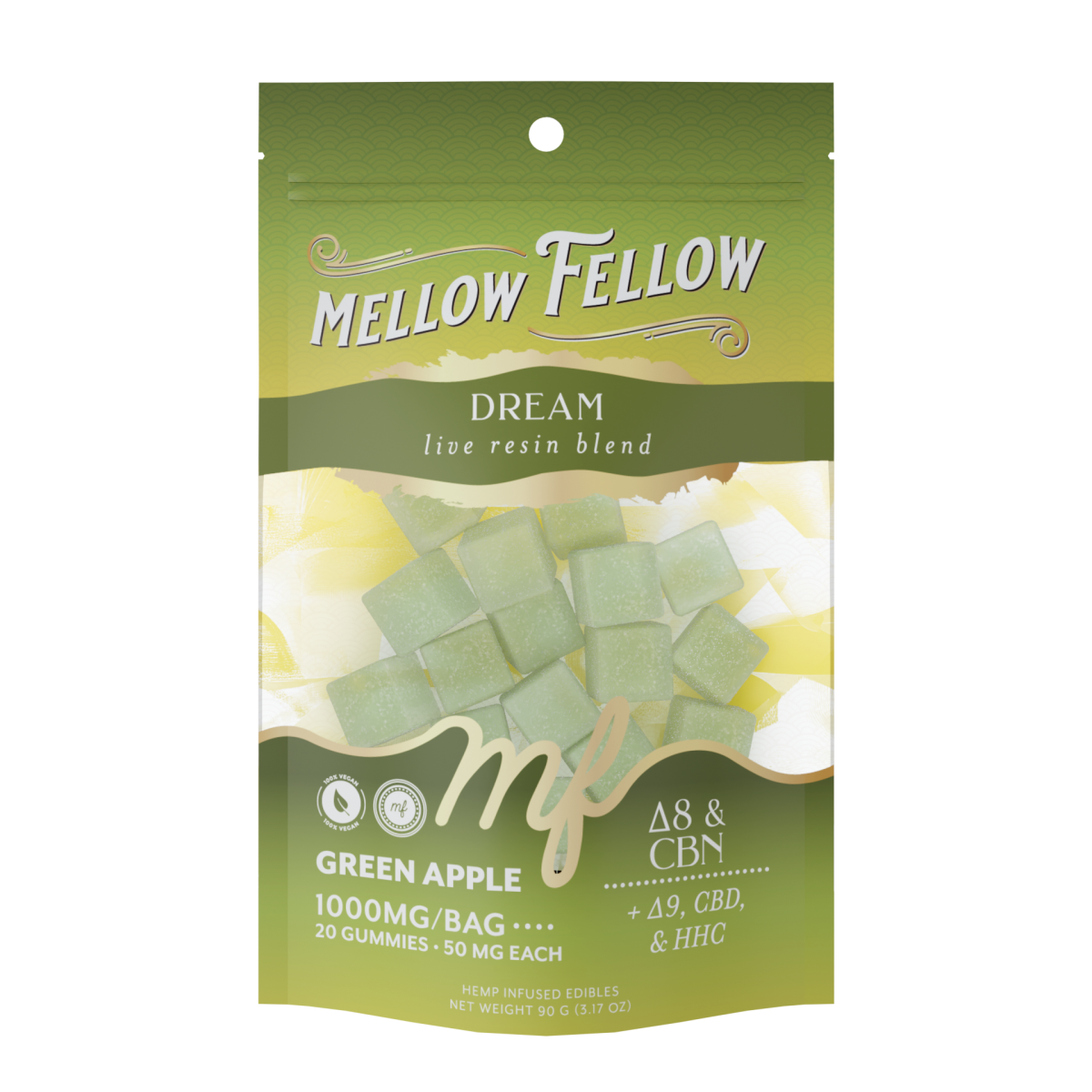
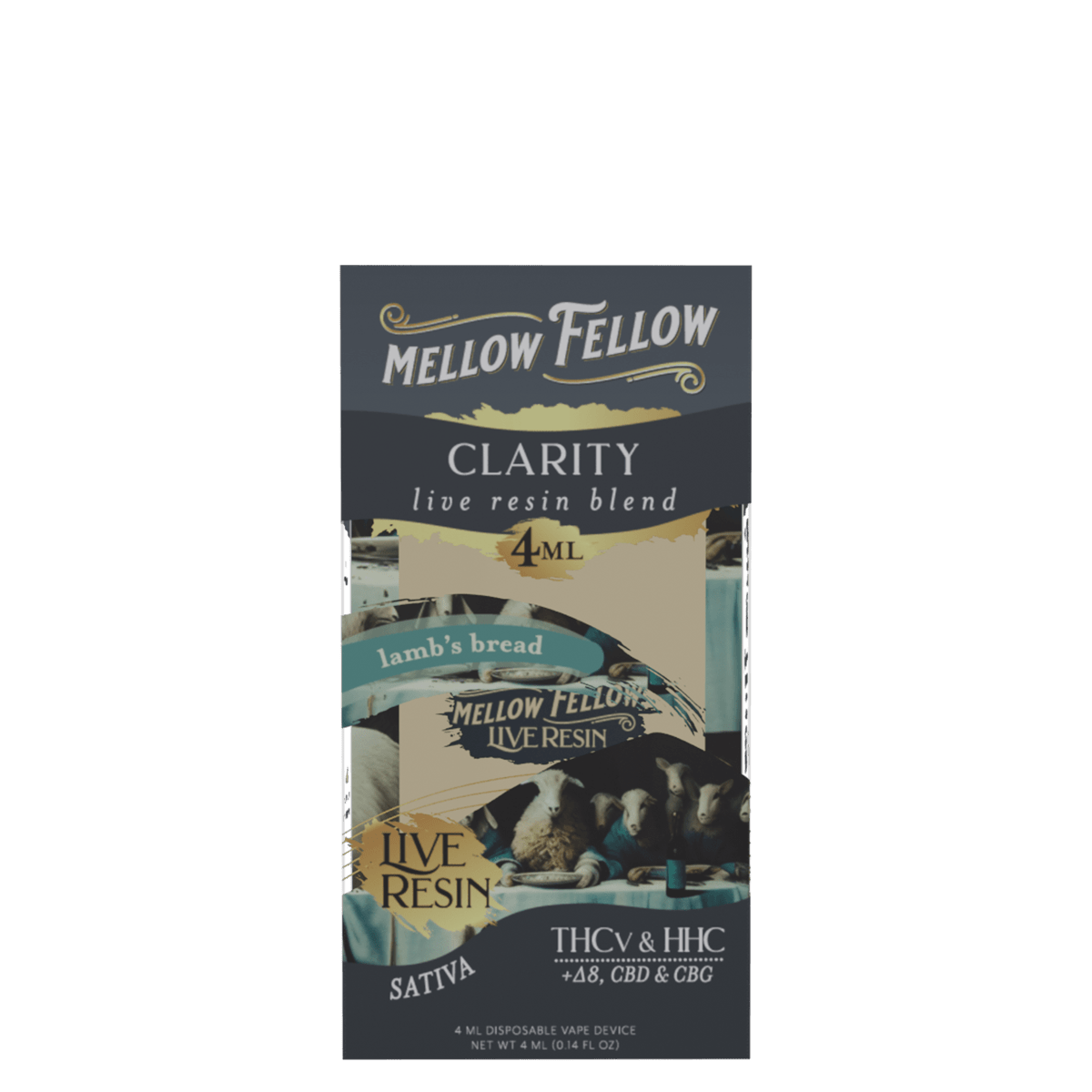
Mellow Fellow’s HHC disposable vapes and HHC gummies offer precisely formulated experiences with consistent potency and third-party verified purity. The brand’s pharmacist-developed formulations optimize HHC’s naturally balanced profile for reliable, repeatable experiences.
HHC vs THC Duration and Bioavailability
Duration differences between HHC and THC come from their distinct metabolic pathways and elimination rates. HHC’s hydrogenated structure appears to slow hepatic metabolism, extending its presence in the body and creating longer-lasting effects compared to THC’s relatively rapid clearance.
| Method | THC Onset | HHC Onset | THC Duration | HHC Duration | Bioavailability |
|---|---|---|---|---|---|
| Inhalation (Vaping) | 5-15 minutes | 10-20 minutes | 2-4 hours | 4-6 hours | 30-40% |
| Edibles | 45-90 minutes | 60-120 minutes | 4-8 hours | 6-10 hours | 6-12% |
| Tinctures (Sublingual) | 15-30 minutes | 20-40 minutes | 3-6 hours | 5-8 hours | 20-30% |
| Concentrates (Dabbing) | 2-5 minutes | 5-10 minutes | 2-5 hours | 4-7 hours | 40-50% |
HHC edibles particularly show extended duration, with some users reporting mild effects persisting 8-10 hours after consumption. This prolonged activity makes HHC edibles suitable for sustained relief throughout working hours or extended social situations where redosing proves inconvenient.
HHC vs THC Safety and Side Effects
Both cannabinoids share similar side effect profiles including dry mouth, red eyes, increased appetite, and temporary cardiovascular changes. THC’s greater potency increases the likelihood and severity of adverse effects, particularly anxiety, paranoia, and cognitive impairment at higher doses.
Research on HHC safety remains limited compared to THC’s extensive documentation in scientific literature. HHC’s semi-synthetic production requires rigorous quality control to prevent residual solvents, heavy metals, or other contaminants from the hydrogenation process. Reputable manufacturers like Mellow Fellow implement full-panel third-party testing documenting purity and potency for every product batch.
Common side effects comparison:
- Dry Mouth: Both compounds equally likely, manageable with hydration
- Red Eyes: More pronounced with THC due to stronger vasodilation
- Anxiety/Paranoia: Significantly reduced with HHC’s lower CB1 affinity
- Cognitive Impairment: Mild with HHC, moderate to severe with THC
- Appetite Stimulation: Both compounds activate hunger pathways similarly
- Sedation: Dose-dependent for both; generally milder with HHC
HHC vs THC Drug Testing
Standard drug tests detect THC metabolites, particularly THC-COOH, which persists in urine for days to weeks depending on usage frequency. HHC’s hydrogenated structure may produce different metabolites, leading to speculation about drug test avoidance. This is a dangerous assumption lacking scientific validation.
Recent evidence suggests HHC metabolizes into compounds detectable by modern drug screening panels. As testing technology advances, laboratories increasingly adapt to detect new cannabinoids including HHC. Users subject to employment or legal drug testing should avoid both HHC and THC products regardless of metabolite differences.
Legal Status of HHC vs THC
THC (Delta-9 tetrahydrocannabinol) remains federally classified as a Schedule I controlled substance in the United States, though 38 states permit medical use and 29 allow adult recreational consumption as of 2025. This creates significant legal complexity with state-level legalization existing alongside federal prohibition.
HHC occupies a legal gray area. Products derived from hemp containing less than 0.3% Delta-9 THC qualify as federally legal under the 2018 Farm Bill. March 2025 saw the United Nations classify HHC as a Schedule II substance under international drug treaties, though the United States abstained from this vote.
State-level HHC regulations vary significantly. Some jurisdictions explicitly prohibit HHC alongside other hemp-derived cannabinoids, while others maintain permissive policies allowing HHC sales. Consumers should verify current local hemp cannabinoid laws before purchasing or possessing HHC products.
Production and Availability of HHC vs THC
THC occurs naturally in cannabis plants at concentrations ranging from 5-30% in high-potency cultivars. Extraction involves straightforward processes including CO₂ or ethanol extraction from dried flower material, followed by potential refinement into concentrates, distillates, or isolates.
HHC exists naturally only in trace amounts in aged cannabis material, making natural extraction economically nonviable.
Commercial HHC production requires laboratory synthesis through hydrogenation of hemp-derived THC or CBD. This process involves controlled conditions using hydrogen gas and metal catalysts (often palladium or platinum) to saturate THC’s double bonds.
The additional processing steps make HHC products 15-20% more expensive than equivalent THC items, though this premium has narrowed from 30-40% in 2023 as production scales and manufacturing improves efficiency. Mellow Fellow’s HHC product line shows commitment to accessible pricing while maintaining rigorous quality standards.
HHC Compared to Other Cannabinoids
HHC is just one of the many unique cannabinoids out there – so how does it stack up against some of these alternatives?
HHC vs Delta 8 THC
HHC shows slightly greater potency than Delta 8 THC, with HHC at 70-80% of Delta 9 strength and Delta 8 at approximately 50-60%. Both provide milder alternatives to traditional Delta 9, with HHC offering superior stability and Delta-8 delivering more established research backing.
HHC vs THCp
THCp (tetrahydrocannabiphorol) ranks significantly more potent than both HHC and standard THC, with anecdotal reports suggesting 5-10 times Delta 9’s intensity. THCp’s extended alkyl side chain creates stronger CB1 binding than any natural phytocannabinoid, making it unsuitable for those seeking HHC’s mild, manageable effects.

HHC vs THCa
THCa (tetrahydrocannabinolic acid) exists as a non-psychoactive precursor requiring decarboxylation (heat application) to convert into active THC. HHC remains psychoactive without any conversion process. THCa provides potential anti-inflammatory benefits without intoxication, while HHC produces immediate psychoactive effects upon consumption.
Choosing the Right Cannabinoid: HHC or THC
Selection between HHC and THC depends on individual tolerance, desired intensity, legal access, and specific use cases:
Choose THC When
- Seeking maximum psychoactive intensity and traditional cannabis effects
- Experienced user comfortable managing strong euphoria and potential anxiety
- Residing in state with legal recreational or medical THC access
- Requiring shorter duration for evening or bedtime use
- Preferring extensively researched cannabinoid with established safety profile
Choose HHC When
- New to cannabinoids or sensitive to THC’s intensity
- Needing functional daytime effects with mental clarity
- Prone to anxiety or paranoia from traditional THC products
- Requiring extended duration without redosing
- Seeking enhanced stability for storage and shelf life
Dosing Guidelines for HHC vs THC
Proper dosing accounts for each cannabinoid’s potency differences and individual tolerance factors:
THC Dosing:
- Beginners: 2.5-5mg for noticeable effects without overwhelming intensity
- Regular users: 10-20mg for moderate psychoactive experience
- Experienced consumers: 25-50mg+ for pronounced effects
HHC Dosing:
- Beginners: 5-10mg for gentle introduction to psychoactive cannabinoids
- Regular users: 15-30mg for balanced effects
- Experienced consumers: 40-75mg for more pronounced experience
Always start with conservative doses when trying new cannabinoids or consumption methods. Wait at least 90-120 minutes before considering additional edible consumption, as delayed onset can mislead users into overconsumption. Inhalation methods provide faster feedback for dose titration.
The Entourage Effect with HHC and THC
Many experienced users combine HHC and THC to balance stimulation with relaxation, creating customized cannabinoid profiles. This approach uses the entourage effect, where multiple cannabinoids work together to modulate and improve each other’s properties.
Strategic HHC-THC combinations might include morning HHC for functional effects, followed by evening THC for deeper relaxation.
Alternatively, users might blend both cannabinoids at once for balanced experiences combining HHC’s clarity with THC’s euphoria. Start with lower combined doses when experimenting with cannabinoid combinations.
Final Thoughts on HHC vs THC
HHC and THC represent distinct options within the expanding cannabinoid market, each providing unique benefits matched to different user needs and preferences. THC delivers time-tested, research-backed psychoactive effects with maximum intensity, while HHC provides a more approachable, stable alternative with extended duration and reduced anxiety potential.
Regardless of choice, prioritize products from transparent brands providing complete third-party testing, clear labeling, and quality manufacturing practices. Mellow Fellow’s complete product range shows commitment to these standards across all cannabinoid categories, from HHC and THC to new blends combining multiple compounds for optimized experiences.
Start with conservative doses, allow adequate time for effect assessment, and consult healthcare providers before using cannabinoids, particularly when taking medications or managing health conditions. Both HHC and THC provide valuable experiences when used responsibly with proper product selection and dosing awareness.
Frequently Asked Questions
Is HHC Stronger Than THC?
No, HHC shows approximately 70-80% of Delta-9 THC’s potency. THC’s stronger CB1 receptor binding creates more intense psychoactive effects, including pronounced euphoria and perceptual changes. HHC’s hydrogenated structure reduces binding affinity, producing milder effects that many users find more manageable and functional for daily activities.
Does HHC Show Up on Drug Tests Like THC?
Yes, HHC likely triggers positive results on standard THC drug tests despite metabolizing differently. Modern screening panels increasingly detect HHC metabolites alongside traditional THC markers. Users subject to employment or legal drug testing should avoid both cannabinoids. No reliable evidence supports HHC as a “drug test-safe” alternative to THC.
How Long Do HHC Effects Last Compared to THC?
HHC effects typically last 4-6 hours when inhaled and 6-10 hours from edibles, significantly longer than THC’s 2-4 hour inhalation duration and 4-8 hour edible experience. HHC’s hydrogenated structure appears to slow hepatic metabolism, extending its presence in the body and creating prolonged effects compared to THC’s relatively rapid clearance.
What Are the Main Effect Differences Between HHC and THC?
THC produces intense cerebral euphoria, sensory changes, and potential anxiety at higher doses. HHC creates more balanced, body-focused effects with mental clarity and reduced anxiety risk. Users describe HHC as functional cannabis, providing relaxation without cognitive fog. THC suits evening recreational use, while HHC works for daytime activities requiring focus.
Is HHC Safer Than THC?
Both cannabinoids show similar safety profiles when sourced from reputable manufacturers. HHC’s reduced potency decreases anxiety and paranoia risks compared to THC. HHC’s semi-synthetic production requires rigorous quality control for residual solvents and contaminants. THC benefits from extensive research documentation, while HHC safety data remains limited. Always purchase from brands providing full-panel third-party testing.
Can You Combine HHHC and THC?
Yes, combining HHC and THC creates balanced experiences using both cannabinoids’ properties through the entourage effect. Many users pair HHC’s clarity with THC’s euphoria for customized effects. Start with reduced doses when combining cannabinoids to assess individual response. Some prefer sequential use: HHC for daytime functionality followed by THC for evening relaxation.
Why Does HHC Last Longer Than THC?
HHC’s hydrogenated molecular structure appears to slow metabolic breakdown in the liver, extending its presence in the body compared to THC’s faster elimination. This structural difference creates longer-lasting effects, particularly noticeable with HHC edibles that can provide sustained effects for 6-10 hours versus THC edibles’ typical 4-8 hour duration.
Is HHC Legal Where THC Is Not?
Not always. Legality varies significantly by jurisdiction. Hemp-derived HHC containing less than 0.3% Delta-9 THC remains federally legal under the 2018 Farm Bill, but some states explicitly prohibit HHC alongside other hemp cannabinoids. The UN classified HHC as Schedule II in March 2025, though the US abstained. Always verify current local laws before purchasing HHC products.
Does HHC Cause Anxiety Like THC Can?
HHC produces significantly less anxiety and paranoia than THC due to its reduced CB1 receptor binding affinity. The weaker receptor interaction creates milder psychoactive effects with lower risk of uncomfortable side effects. Users sensitive to THC-induced anxiety often find HHC more comfortable, though individual responses vary based on tolerance and dosage.
What Is the Molecular Difference Between HHHC and THC?
THC contains the molecular formula C₂₁H₃₀O₂ with characteristic double bonds creating its psychoactive properties. HHC (C₂₁H₃₂O₂) undergoes hydrogenation, adding two hydrogen atoms and saturating THC’s double bonds. This structural change reduces CB1 receptor affinity while dramatically improving stability against oxidation, heat, and UV degradation compared to THC’s more reactive configuration.
Sources
- CB1 and CB2 Receptor Pharmacology – PubMed
- The diverse CB1 and CB2 receptor pharmacology of three plant cannabinoids: Δ9-tetrahydrocannabinol, cannabidiol and Δ9-tetrahydrocannabivarin – PMC
- Pharmacology of cannabinoid CB1 and CB2 receptors – PubMed
- H.R.2 – 115th Congress (2017-2018): Agriculture Improvement Act of 2018 | Congress.gov | Library of Congress
{
“@context”: “https://schema.org”,
“@type”: “Article”,
“headline”: “HHC vs THC: Complete Effects, Potency & Chemical Structure Comparison”,
“description”: “HHC demonstrates 70-80% of THC’s potency with 4-6 hour duration and clear-headed relaxation. Compare molecular structures, receptor binding, effects, and choose the right cannabinoid.”,
“author”: {
“@type”: “Organization”,
“@name”: “Mellow Fellow”
},
“publisher”: {
“@type”: “Organization”,
“@name”: “Mellow Fellow”,
“logo”: {
“@type”: “ImageObject”,
“url”: “https://mellowfellow.fun/logo.png”
}
},
“mainEntityOfPage”: {
“@type”: “WebPage”,
“@id”: “https://mellowfellow.fun/blogs/learn/hhc-vs-thc”
}
}
{
“@context”: “https://schema.org”,
“@type”: “FAQPage”,
“mainEntity”: [
{
“@type”: “Question”,
“name”: “Is HHC stronger than THC?”,
“acceptedAnswer”: {
“@type”: “Answer”,
“text”: “No, HHC demonstrates approximately 70-80% of Delta-9 THC’s potency. THC’s stronger CB1 receptor binding creates more intense psychoactive effects, including pronounced euphoria and perceptual changes. HHC’s hydrogenated structure reduces binding affinity, producing milder effects that many users find more manageable and functional for daily activities.”
}
},
{
“@type”: “Question”,
“name”: “Does HHC show up on drug tests like THC?”,
“acceptedAnswer”: {
“@type”: “Answer”,
“text”: “Yes, HHC likely triggers positive results on standard THC drug tests despite metabolizing differently. Modern screening panels increasingly detect HHC metabolites alongside traditional THC markers. Users subject to employment or legal drug testing should avoid both cannabinoids. No reliable evidence supports HHC as a drug test-safe alternative to THC.”
}
},
{
“@type”: “Question”,
“name”: “How long do HHC effects last compared to THC?”,
“acceptedAnswer”: {
“@type”: “Answer”,
“text”: “HHC effects typically last 4-6 hours when inhaled and 6-10 hours from edibles, significantly longer than THC’s 2-4 hour inhalation duration and 4-8 hour edible experience. HHC’s hydrogenated structure appears to slow hepatic metabolism, extending its presence in the body and creating prolonged effects compared to THC’s relatively rapid clearance.”
}
},
{
“@type”: “Question”,
“name”: “What are the main differences in effects between HHC and THC?”,
“acceptedAnswer”: {
“@type”: “Answer”,
“text”: “THC produces intense cerebral euphoria, sensory enhancement, and potential anxiety at higher doses. HHC creates more balanced, body-focused effects with mental clarity and reduced anxiety risk. Users describe HHC as functional cannabis—providing relaxation without cognitive fog. THC suits evening recreational use, while HHC works for daytime activities requiring focus.”
}
},
{
“@type”: “Question”,
“name”: “Is HHC safer than THC?”,
“acceptedAnswer”: {
“@type”: “Answer”,
“text”: “Both cannabinoids demonstrate similar safety profiles when sourced from reputable manufacturers. HHC’s reduced potency decreases anxiety and paranoia risks compared to THC. However, HHC’s semi-synthetic production requires rigorous quality control for residual solvents and contaminants. THC benefits from extensive research documentation, while HHC safety data remains limited. Always purchase from brands providing full-panel third-party testing.”
}
},
{
“@type”: “Question”,
“name”: “Can you combine HHC and THC together?”,
“acceptedAnswer”: {
“@type”: “Answer”,
“text”: “Yes, combining HHC and THC creates balanced experiences utilizing both cannabinoids’ properties through the entourage effect. Many users pair HHC’s clarity with THC’s euphoria for customized effects. Start with reduced doses when combining cannabinoids to assess individual response. Some prefer sequential use—HHC for daytime functionality followed by THC for evening relaxation.”
}
},
{
“@type”: “Question”,
“name”: “Why does HHC last longer than THC?”,
“acceptedAnswer”: {
“@type”: “Answer”,
“text”: “HHC’s hydrogenated molecular structure appears to slow metabolic breakdown in the liver, extending its presence in the body compared to THC’s faster elimination. This structural difference creates longer-lasting effects, particularly noticeable with HHC edibles that can provide sustained effects for 6-10 hours versus THC edibles’ typical 4-8 hour duration.”
}
},
{
“@type”: “Question”,
“name”: “Is HHC legal everywhere THC isn’t?”,
“acceptedAnswer”: {
“@type”: “Answer”,
“text”: “No, legality varies significantly by jurisdiction. Hemp-derived HHC containing less than 0.3% Delta-9 THC remains federally legal under the 2018 Farm Bill, but some states explicitly prohibit HHC alongside other hemp cannabinoids. The UN classified HHC as Schedule II in March 2025, though the US abstained. Always verify current local laws before purchasing HHC products.”
}
},
{
“@type”: “Question”,
“name”: “Does HHC cause anxiety like THC can?”,
“acceptedAnswer”: {
“@type”: “Answer”,
“text”: “HHC produces significantly less anxiety and paranoia than THC due to its reduced CB1 receptor binding affinity. The weaker receptor interaction creates milder psychoactive effects with lower risk of uncomfortable side effects. Users sensitive to THC-induced anxiety often find HHC more comfortable, though individual responses vary based on tolerance and dosage.”
}
},
{
“@type”: “Question”,
“name”: “What’s the molecular difference between HHC and THC?”,
“acceptedAnswer”: {
“@type”: “Answer”,
“text”: “THC contains the molecular formula C₂₁H₃₀O₂ with characteristic double bonds creating its psychoactive properties. HHC (C₂₁H₃₂O₂) undergoes hydrogenation, adding two hydrogen atoms and saturating THC’s double bonds. This structural modification reduces CB1 receptor affinity while dramatically improving stability against oxidation, heat, and UV degradation compared to THC’s more reactive configuration.”
}
}
]
}
Leave a Reply