
Is THCp Flower Sprayed? Quality Identification Guide
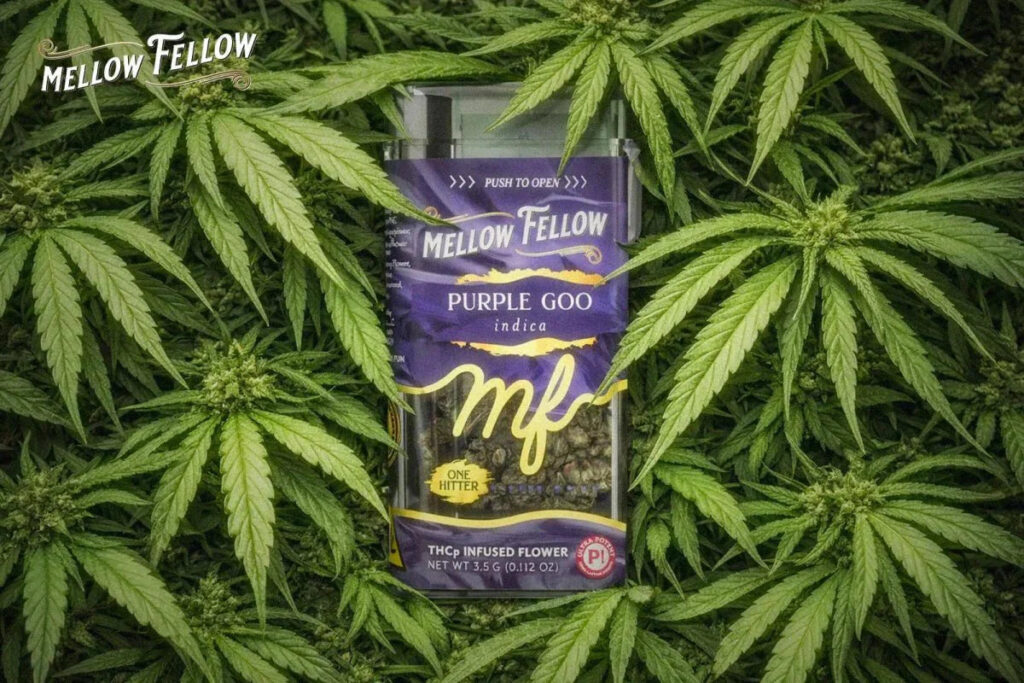
Quick Answer: Most THCp flower is infused or sprayed with THCp distillate because natural THCp occurs at trace levels below 0.1%. Premium quality THCp flower uses clean infusion methods and provides third-party lab testing showing authentic cannabinoid profiles without contaminants.
Many shoppers wonder whether THCp flower is natural or simply sprayed with additives. Because THCp occurs in cannabis at extremely low levels, infusion is the industry standard, but quality varies widely depending on how it is done. This guide explains how THCp flower is made, how to spot clean infusion versus poor spraying, and how to verify quality using visual cues and lab results.
Key Takeaways
- Natural THCp production in cannabis plants reaches only 0.01-0.13% concentration, making infusion the industry standard for consumer products.
- THCp flower visual inspection reveals quality through even crystalline coating, intact trichome structures, and absence of oily residue or discoloration.
- Lab-tested THCp products should show complete panels: cannabinoid profiles, residual solvents under 5,000 ppm, zero heavy metals, and pesticide-free certification.
- Certified authentic THCp flower from trusted THCp flower brands discloses infusion methods and hemp source details.
- Natural THCp flower indicators include preserved terpene aromas, consistent potency distribution, and proper moisture levels between 10-12%.
- Find the best THCp flower and THCp-infused blunts at Mellow Fellow.
THCp Flower Quality Identification
THCp (tetrahydrocannabiphorol) was first isolated by Italian researchers in 2019 from the medicinal cannabis variety FM2. According to recent research, natural THCp concentration ranges from 0.0023% to 0.0136% in cannabis plants – far too low for commercial extraction without prohibitive costs.
This scarcity answers the core question: is THCp flower sprayed? Yes, nearly all THCp flower products use infusion because natural THCp production verification would require processing thousands of pounds of plant material to yield usable amounts.
The seven-carbon alkyl chain structure that makes THCp bind to CB1 receptors 33 times more effectively than Delta 9 THC exists naturally, but extraction remains commercially impractical.
Three Main THCp Infusion Methods
Manufacturers apply THCp distillate – synthesized from hemp-derived CBD through chemical conversion – using direct spray application, tumbling with distillate solution, or vapor deposition.
Direct spray often leaves visible surface residue. Tumbling can create uneven distribution with potency hot spots. Vapor deposition typically produces the most uniform coating across flower surfaces.
Being able to tell if THCp flower is sprayed starts with recognizing these production realities. Quality infused products undergo THCp potency testing methods including mass spectrometry analysis to verify cannabinoid content and purity.

THCp Flower Visual Inspection Techniques
Signs of sprayed THCp become apparent through systematic visual examination. Quality THCp flower quality markers include preserved trichome integrity – the mushroom-shaped crystal structures should remain intact and frosty under close inspection. Poor infusion methods flatten or melt these delicate glands, leaving surfaces slick or greasy.
Checking Surface Texture and Color
What does quality THCp flower look like? Natural hemp flower colors – green with purple, orange, or amber accents – should remain visible beneath a slight crystalline sheen. Pure THCp distillate appears amber to clear. Dark brown patches, excessive wetness, or stark white powdery deposits signal synthetic spray detection THCp problems with infusion materials or application technique.
|
Quality Marker |
Premium Sign |
Red Flag |
|
Surface coating |
Even crystalline sheen, dry feel |
Oily residue, wet spots, sticky film |
|
Trichome structure |
Intact mushroom-shaped heads |
Flattened, melted, or missing |
|
Color consistency |
Natural hues preserved with light coating |
Dark patches, chemical discoloration, white deposits |
|
Structural integrity |
Maintains shape with slight spring |
Compressed, mushy, unnaturally rigid |
Evaluating Smell for Quality Assurance
Natural THCp flower indicators include hemp’s earthy, pine, or citrus terpene notes. Quality infusion adds only subtle sweet notes – THCp distillate shouldn’t overpower the base flower aroma. Strong solvent smells, fuel odors, or artificial flavoring indicate THCp flower red flags requiring scrutiny before purchase.
Reading THCp Flower Lab Testing Results
Every certified authentic THCp flower product links to recent Certificate of Analysis (COA) documents from accredited third-party laboratories. These THCp flower quality assurance reports separate safe products from contaminated options.
Cannabinoid Profile Analysis
Authentic cannabinoid profiles for THCp flower typically show 1-5% THCp content by dry weight. Concentrations above 10% warrant extra verification of testing methodology. The profile should display base hemp cannabinoids – CBD, CBG, or CBN – alongside added THCp, confirming the starting material quality.
Residual Solvent Safety Standards
THCp flower safety standards require residual solvent screening because infusion processes may use ethanol, CO2, or hydrocarbon extraction. According to FDA pharmaceutical quality guidelines, Class 3 solvents like ethanol should remain below 5,000 parts per million (ppm). Lab-tested THCp products from quality control THCp products manufacturers typically show levels under 1,000 ppm or “none detected.”
|
Test Panel |
Measures |
Safe Range |
Concern Level |
|
Cannabinoids |
THCp, CBD, CBG content |
1-5% THCp typical |
Above 10% or mismatched claims |
|
Residual Solvents |
Ethanol, butane, propane, hexane |
Under 1,000 ppm ideal |
Above 5,000 ppm |
|
Heavy Metals |
Lead, arsenic, cadmium, mercury |
Non-detectable |
Any detection above 0.5 ppm |
|
Pesticides |
Cultivation chemical residues |
Non-detectable |
Any banned substance detection |
Heavy Metal and Pesticide Screening
Pesticide-free THCp flower verification requires complete panel testing. Cannabis plants bioaccumulate metals from soil during growth. Clean THCp flower sources grow hemp in tested fields using organic methods. Any heavy metal detection above 0.5 ppm or pesticide residues indicate avoiding contaminated THCp starting materials.
Production Transparency and Brand Standards
Trusted THCp flower brands operate with clear disclosure about infusion methodology and hemp genetics. Premium quality THCp flower specifications include the cultivar name, growing practices, and infusion technique details on product pages.
Hemp Source Quality Verification
How to buy safe THCp flower starts with verifying the base material. Research in Forensich Chemistry found many THCp products contain amounts “significantly different from those declared by the producer.” Quality manufacturers specify hemp genetics and highlight organic cultivation standards.
Batch-Specific Testing Requirements
Third-party verified THCp requires batch-specific COAs matching the product in hand. Cannabinoid content and contamination risk vary batch to batch. Companies serious about THCp flower consumer protection make finding current lab results easy through QR codes or prominent website links.
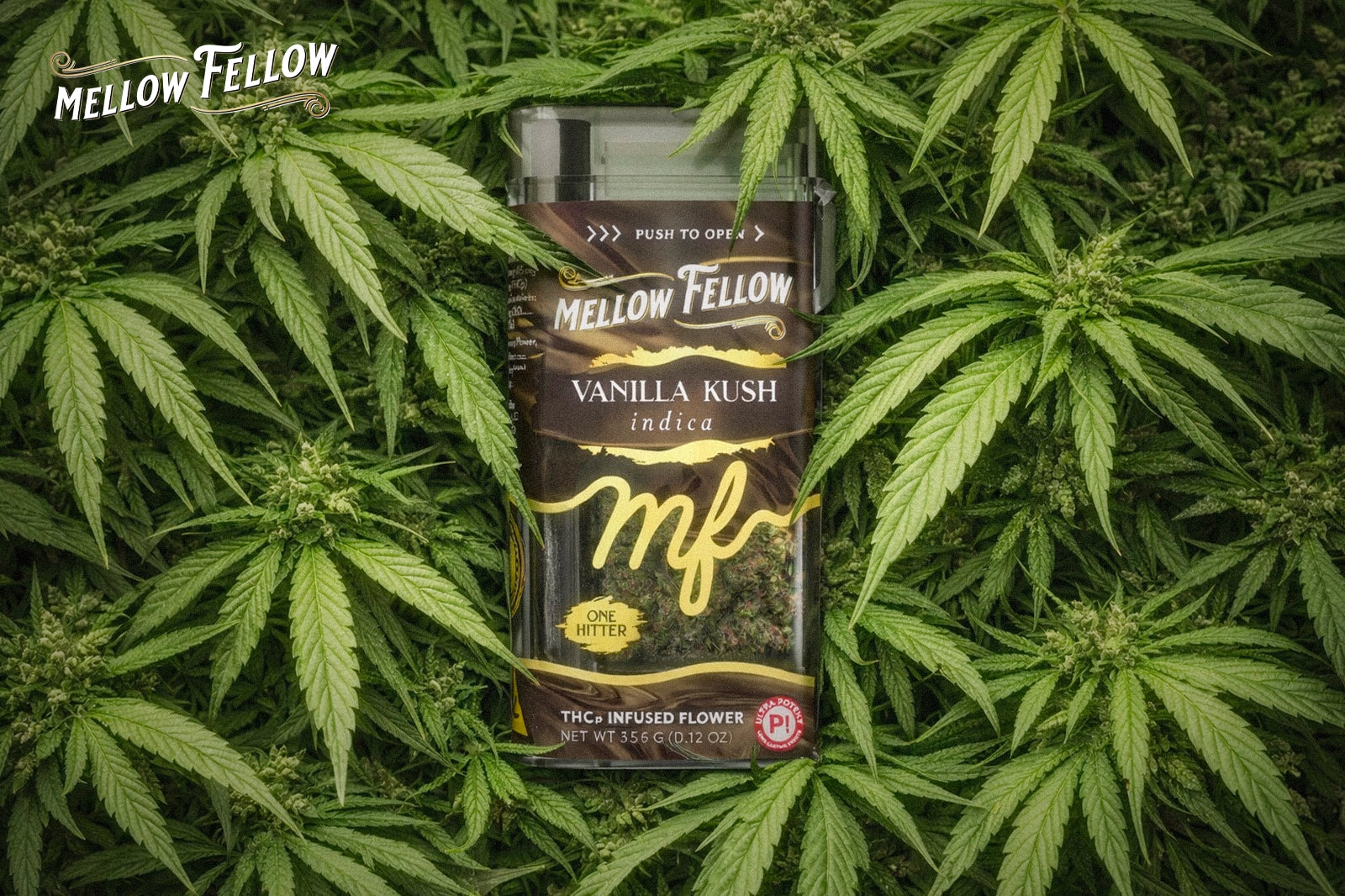
Mellow Fellow’s THCp flower collection demonstrates transparency with strain-specific details and accessible testing. Products like THCp Flower Vanilla Kush and Lemon Sweet Skunk specify hemp genetics and infusion approach.
Home Testing Methods for THCp Flower
Understanding THCp flower quality through simple home tests reveals obvious issues before consumption. The water test drops a small flower piece in room-temperature water – quality infused flower sinks and maintains structure. Immediate dissolving, oily film release, or complete breakdown indicates excessive carrier oils or improper curing.
Burn Test and Ash Analysis
Real vs fake THCp flower differences appear during combustion. Quality flower burns evenly with white or light gray ash. Black ash, excessive sparking, or difficulty staying lit suggest solvent residue or improper drying. Chemical or plastic smell during burning confirms contamination.
Grind Consistency Check
How to tell if THCp flower is real includes examining grind texture. Quality flower breaks apart with slight pressure, releasing fresh aroma without excessive stickiness.
Comparing THCp Flower Formats
Natural vs sprayed THCp flower comparisons expand to other product formats offering distinct advantages. THCp disposable vapes deliver precise doses with lab-verified cannabinoid content, eliminating distribution concerns inherent in infused flower.
Pre-Rolls and Infused Blunts
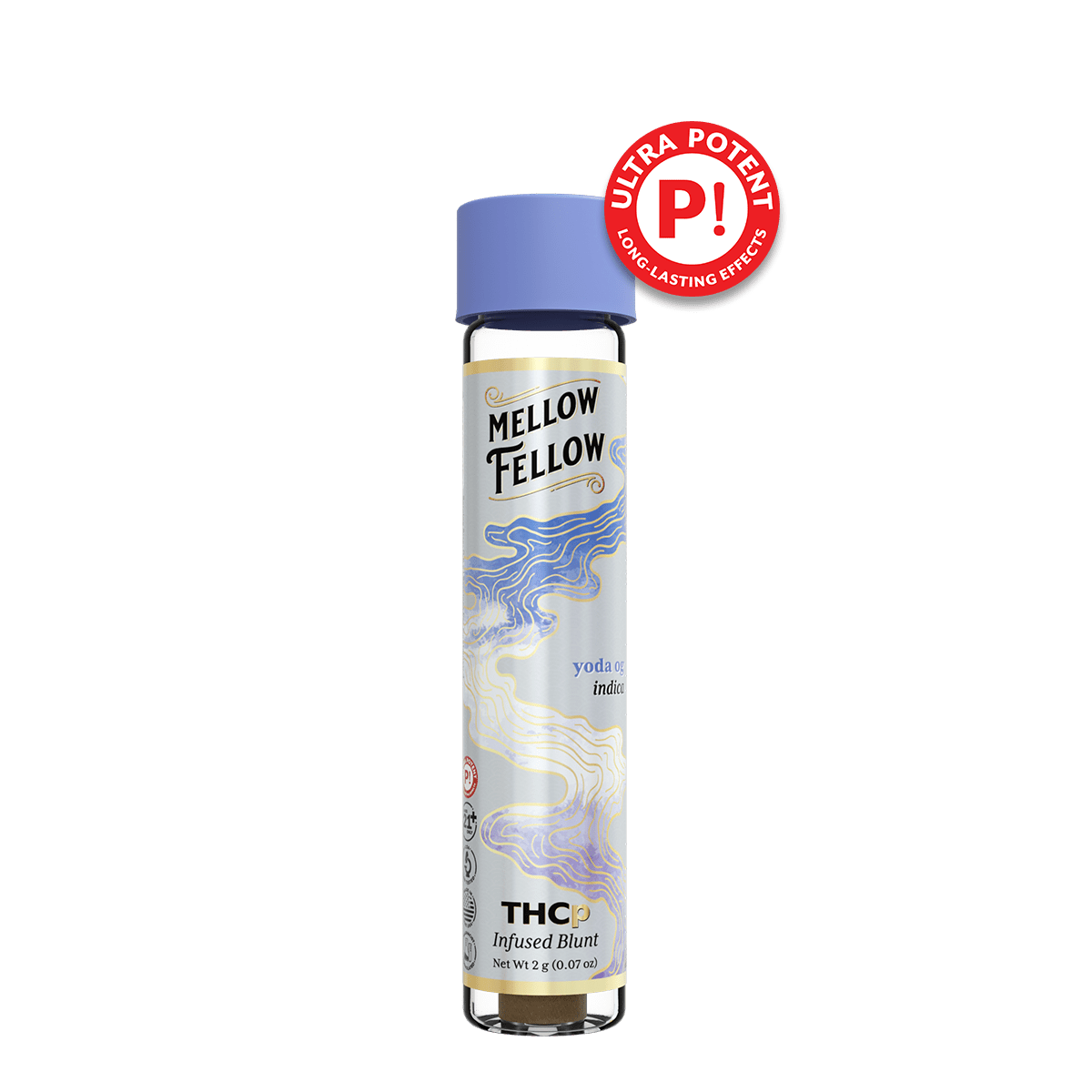
Products like THCp 2g Infused Blunt Yoda OG and Kali Mist undergo quality-controlled infusion as finished products, allowing manufacturers to verify even distribution before packaging. This format suits users wanting flower experience without loose bud inspection complexity.
Safe THCp Flower Buying Guide
Sourcing clean THCp flower sources requires due diligence beyond price comparison. Verify business legitimacy through registration confirmation, physical addresses, and responsive customer service. The Mellow Fellow store locator helps buyers find authorized retailers carrying third-party verified products.
Price Quality Indicators
Extremely cheap THCp flower under $20 per eighth likely compromises starting material, infusion quality, or testing. Premium pricing alone doesn’t guarantee quality – some brands charge for marketing rather than superior production. Reasonable THCp flower typically costs $30-60 per eighth depending on strain and brand reputation.
Find Quality THCp Flower Options
After understanding THCp flower quality identification and testing priorities, you’re equipped for informed purchases. Explore Mellow Fellow’s lab-tested THCp flower lineup featuring strain-specific profiles and third-party verification. From indica Purple Goo to energizing Fire Haze, each offering includes detailed cannabinoid breakdowns and quality assurance documentation.
For ready-to-smoke options, the THCp infused blunt collection provides curated experiences with verified consistent potency.
Frequently Asked Questions
Is THCp Flower Sprayed or Natural?
Nearly all THCp flower is sprayed or infused because natural THCp production reaches only 0.01-0.13% concentration – too low for commercial extraction. Quality brands disclose infusion methods and provide lab testing verifying clean application without contaminants.
How Can I Tell if THCp Flower Is Sprayed On?
THCp flower visual inspection reveals spraying through even crystalline coating without oily patches, intact trichome structures rather than flattened surfaces, preserved natural colors without discoloration, and dry texture without sticky residue. Quality infusion creates uniform distribution while poor spray jobs leave visible inconsistencies.
What Does Quality THCp Flower Look Like?
Quality THCp flower maintains natural hemp appearance with slight crystalline sheen, intact trichome heads, even color distribution, proper dryness, and preserved structure. Smell includes natural hemp terpenes with faint sweet notes from THCp – never strong chemical or solvent odors.
How Do I Know if My THCp Flower Is Real?
Verify THCp flower authenticity through third-party lab results showing 1-5% THCp content, clean residual solvent tests below 1,000 ppm, zero detectable heavy metals or pesticides, and batch-specific testing within 90 days. Reputable brands make COAs easily accessible through QR codes.
What Are the Signs of Sprayed THCp Flower?
Warning signs of poorly sprayed THCp include oily or wet texture, flattened trichomes, uneven dark patches or white deposits, strong chemical smell, excessive stickiness, and black ash when burned – indicating contamination or low-quality infusion materials.
Is Sprayed THCp Flower Safe to Use?
Sprayed THCp flower is safe when produced properly using clean distillate, organic hemp, and proper infusion techniques verified through third-party testing. Safety depends on production standards – look for lab results showing no residual solvents above 5,000 ppm, zero heavy metals, no pesticides, and accurate cannabinoid profiles.
How to Tell if THCp Flower Is High Quality?
High-quality THCp flower demonstrates accessible third-party lab testing with full panels, clear infusion method disclosure, intact trichome structure with even coating, natural hemp aroma without chemical notes, consistent customer reviews praising potency and taste, and transparent brand communication.
What Is the Difference Between Natural and Sprayed THCp Flower?
Natural THCp flower would contain plant-produced THCp, but this occurs at trace levels below 0.1%. Sprayed THCp flower uses hemp infused with THCp distillate derived through chemical conversion from CBD. The infusion process is standard industry practice when done correctly.
Can You Identify Sprayed THCp by Smell?
Quality THCp infusion adds only subtle sweet or neutral notes to hemp’s natural terpene aroma. Strong chemical smells, fuel odors, artificial flavoring, or overwhelming sweetness indicate poor infusion materials or residual solvents warranting caution.
What Lab Tests Should THCp Flower Have?
Complete THCp flower testing includes cannabinoid potency profiles, residual solvent analysis for ethanol and hydrocarbons, heavy metal screening for lead, arsenic, cadmium, and mercury, pesticide panels testing cultivation residues, microbial testing for mold and bacteria, and terpene profiles. Request batch-specific results dated within 90 days.
How Much Should Quality THCp Flower Cost?
Quality THCp flower typically ranges $30-60 per eighth depending on brand reputation, strain, and potency. Prices below $20 often indicate shortcuts in flower quality, infusion process, or testing. Extremely high prices above $80 may reflect marketing rather than superior production.
Where Can I Buy Authentic THCp Flower?
Purchase authentic THCp flower from licensed retailers, established brand websites with customer reviews, or verified online dispensaries providing accessible lab testing. Avoid gas stations or unmarked websites. Use store locators from reputable brands to find authorized retailers.
Does Sprayed THCp Flower Have Uneven Potency?
Poor spray application creates uneven THCp distribution with concentration hot spots and minimal coverage areas. Quality infusion methods use tumbling, vapor deposition, or controlled spray techniques ensuring consistent potency throughout each bud. Lab testing should verify claimed potency matches actual content.
How Do I Store THCp Flower to Maintain Quality?
Store THCp flower in airtight glass containers away from light, heat, and moisture at 60-70°F. Use humidity control packs maintaining 62% relative humidity to prevent mold and excessive drying. Avoid plastic bags for long-term storage and minimize handling. Check monthly for degradation signs.
What Makes THCp Flower Different from Regular Hemp Flower?
THCp flower starts as regular hemp but undergoes infusion with THCp distillate to increase potency. Base flower provides terpenes, structure, and minor cannabinoids while added THCp delivers stronger psychoactive effects than natural hemp’s CBD or CBG content.
Can I Test THCp Flower Quality at Home?
Home testing methods include visual inspection for even coating and intact trichomes, smell testing for natural hemp aroma without chemical notes, water tests where quality flower sinks and maintains structure, burn tests looking for white ash and even combustion, and grind consistency checking. These reveal obvious issues but cannot replace laboratory analysis.
Why Does Some THCp Flower Leave Residue?
Excessive residue indicates too much carrier oil during infusion, improper drying after application, or low-quality distillate with impurities. Quality THCp flower feels slightly dry with minimal transfer to fingers. Sticky or greasy residue suggests production shortcuts.
How Long Does THCp Flower Stay Fresh?
Properly stored THCp flower maintains optimal quality for 6-12 months. Beyond this period, cannabinoids degrade, terpenes evaporate, and potency decreases. Storage conditions significantly impact longevity – airtight containers in cool, dark locations preserve freshness longest.
What Cannabinoids Should Be in THCp Flower Lab Results?
THCp flower lab results should show THCp at 1-5%, plus base hemp flower’s natural cannabinoids like CBD (0.5-3%), CBG (0.1-1%), CBN (trace amounts), and other minor cannabinoids. Profile should match advertised potency and show Delta 9 THC below 0.3% for federal hemp compliance.
Is Lab-Tested THCp Flower Always Safe?
Lab testing significantly increases safety but doesn’t guarantee zero risk. Verify tests cover all critical areas from accredited third-party laboratories, show batch-specific results matching your product, and display dates within 90 days. Testing plus brand transparency provides the strongest safety assurance.
Sources
- Δ9-Tetrahydrocannabiphorol: Identification and quantification in recreational products – ScienceDirect
- 5015.8 Acceptance Criteria for Residual Solvents
- A novel phytocannabinoid isolated from Cannabis sativa L. with an in vivo cannabimimetic activity higher than Δ9-tetrahydrocannabinol: Δ9-Tetrahydrocannabiphorol – PubMed
- Targeting Cannabinoid Receptors: Current Status and Prospects of Natural Products – PMC
- (−)-trans-Δ9-Tetrahydrocannabiphorol Content of Cannabis sativa Inflorescence from Various Chemotypes | Journal of Natural Products