
How to Choose Between Indica and Sativa for Sleep
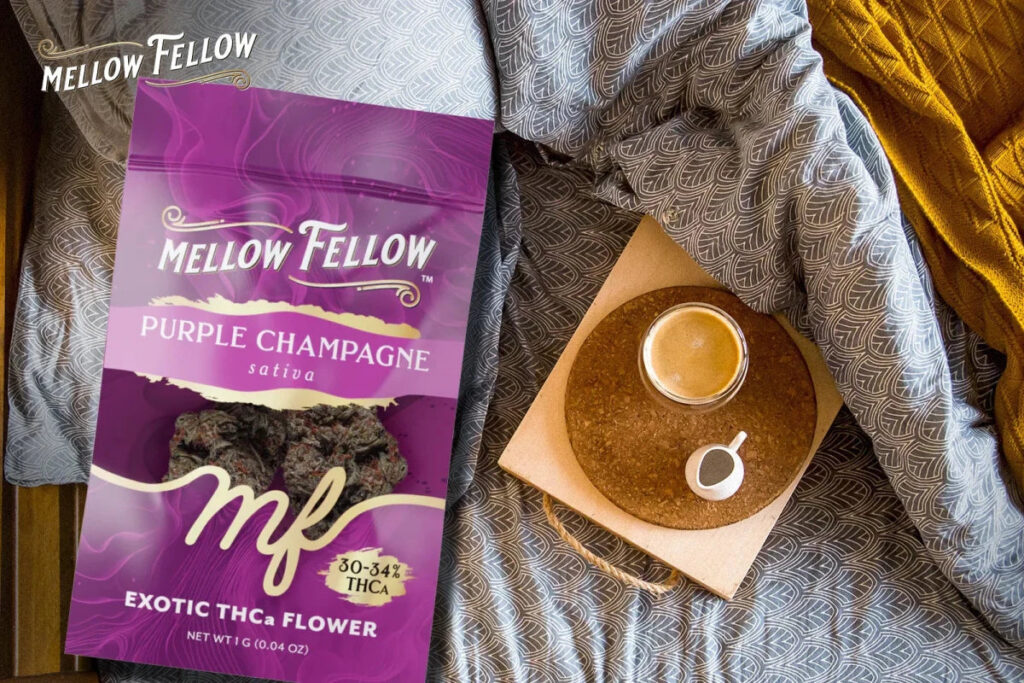
Quick Answer: Indica strains are generally the better choice for sleep, thanks to sedating terpene profiles and body-heavy effects that help wind down before bed. That said, your cannabinoid profile, terpene mix, and personal tolerance matter just as much as the indica or sativa label.
Most people looking for cannabis sleep support end up asking the same question first: indica or sativa? The short answer is usually indica, but terpene profile, cannabinoid balance, dosage, and your own tolerance matter just as much as the label on the jar.
Key Takeaways
- Indica strains tend to produce heavier body effects that support sleep; sativa strains often have stimulating effects that can interfere with it.
- Terpenes like myrcene, linalool, and caryophyllene play a measurable role in sedation and relaxation, sometimes more than the strain category itself.
- CBN is a minor cannabinoid showing early promise as a sleep aid; THC can reduce sleep onset time but may suppress REM sleep at higher doses.
- Hybrid strains offer a middle ground and are worth considering if you find pure indicas too heavy or pure sativas too activating.
- Mellow Fellow’s THCa flower and pre-roll lineup includes both indica and sativa options, so you can start with a single gram before committing to a full session.
Indica vs Sativa for Sleep: What the Labels Mean
The indica/sativa distinction originated as a botanical classification, not a pharmacological one. Botanists used it to describe plant structure, growth patterns, and geographic origin. Over time, the cannabis market adopted the terms as shorthand for effect, with indica meaning relaxing and sativa meaning energizing.
That shorthand is imperfect, but it is not useless. Strains marketed as indica consistently skew toward terpene and cannabinoid profiles that produce heavier body sensations and shorter time-to-sleep. Strains marketed as sativa tend to carry more stimulating terpene combinations that can make falling asleep harder.
A 2021 naturalistic study published in found that medicinal cannabis users reported significantly greater reductions in insomnia symptoms from indica-dominant strains compared to sativa-dominant strains and CBD-only products. The difference was most consistent for sleep and relaxation use cases.
So while the label is not a precise chemical guarantee, indica remains the more reliable starting point when sleep is the goal.
Does Indica Make You Sleepy? Understanding Indica Sleep Effects
Indica strains tend to produce what users call a body high: a weighted, relaxed physical sensation that makes staying awake feel like more effort than it is worth. This effect is tied to specific terpene concentrations that appear more often in indica cultivars.
Key terpenes common in indica strains:
-
Myrcene: The most abundant terpene in cannabis overall, and particularly concentrated in indica genetics. A 2024 study in Pharmaceuticals identified beta-myrcene’s sedative-hypnotic properties, showing it prolonged sleep duration, decreased sleep latency, and increased the rate of falling asleep in insomnia models. It is often described as earthy or musky.
-
Linalool: Found in lavender as well as cannabis, linalool shows anxiolytic and sedative activity in multiple studies. Research published in Frontiers in Behavioral Neuroscience confirmed inhaled linalool induces sedation without significant motor impairment. It may reduce sleep latency by calming the nervous system.
-
Caryophyllene: A spicy, peppery terpene that binds to CB2 receptors and may reduce anxiety-driven wakefulness. Research confirms its anxiolytic and anti-inflammatory effects via the endocannabinoid system.
THC content also plays a role. At moderate doses, THC reduces the time it takes to fall asleep. Research from a systematic review published in Sleep found that higher THC doses above 20-30 mg increased adverse effects and tolerance without improving sleep efficacy. A separate clinical trial confirmed THC suppresses REM sleep. For sleep, less is often more effective.
Does Sativa Keep You Awake? Sativa Sleep Effects Explained
Most sativa strains are a poor match for sleep. Their terpene profiles frequently include higher concentrations of terpinolene, limonene, and pinene, which are associated with alertness and mental activation rather than sedation.
That said, the phrase “does sativa make you sleepy” does come up because some users experience a crash-like sedation after the initial stimulating effects wear off. This is not the same as the consistent, gradual wind-down that indica strains provide. Relying on sativa for sleep means timing that crash accurately, which is inconsistent and not a sound strategy.
If you are curious about sativa genetics, Blue Waffles Sativa THCa Flower and the AK Reserve Sativa THCa Pre-Roll are better suited to daytime or early evening use, not bedtime.
Indica vs Hybrid for Sleep: When to Consider a Hybrid Strain
Hybrid strains occupy the space between indica and sativa, and they are worth considering when:
- Pure indica strains feel too sedating or cause next-morning grogginess
- You want mild calming effects without full couch lock
- You need to stay functional for a short period before sleeping
Indica-dominant hybrids retain most of the relaxing terpene profile of their indica parent while softening the heaviest sedation. For most people starting out, an indica-dominant hybrid is a practical middle ground between the two ends of the spectrum.
Cannabinoid Profile for Sleep: THC, CBD, and CBN
Beyond terpenes, the cannabinoid makeup of a strain shapes what sleep feels like.
|
Cannabinoid |
Effect on Sleep |
Notes |
|
THC |
Reduces sleep onset time; may suppress REM at high doses |
Best used at moderate doses for sleep |
|
CBD |
May improve sleep quality by reducing anxiety |
Non-intoxicating; often used alongside THC |
|
CBN |
Early evidence suggests sedative properties |
Minor cannabinoid; research ongoing |
|
CBG |
Daytime-associated; not well-suited for sleep |
Better for focus and energy contexts |
CBN in particular has grown in interest as a nighttime cannabinoid. A 2023 study published in Psychopharmacology found that CBN alone and in combination with CBD produced measurable improvements in subjective sleep quality. Mellow Fellow’s Dream blend line incorporates CBN alongside Delta 8 and other cannabinoids for a formulated nighttime experience.
For more on how cannabinoid combinations work together, the best indica strains for sleep guide on the Mellow Fellow blog covers strain-level detail worth reading before your first session.
Best Cannabis Strains for Sleep: What to Look For
Rather than searching by name alone, use this criteria-based approach when choosing a nighttime cannabis strain.
What to check before buying:
- Terpene Panel: Prioritize myrcene and linalool as top-two terpenes. Both appear consistently in research as sleep-adjacent.
- THC Content: Aim for moderate THC (15-22% for flower) rather than the highest number available. More is not better for sleep.
- Indica Classification: Choose indica or indica-dominant hybrid as your baseline.
- Format: Flower and pre-rolls have faster onset (5-15 minutes) than edibles (45-90 minutes), making them easier to time before bed.
- Lab Results: Verify the terpene and cannabinoid panel from a third-party COA. Check Mellow Fellow’s testing page for batch-level documentation.
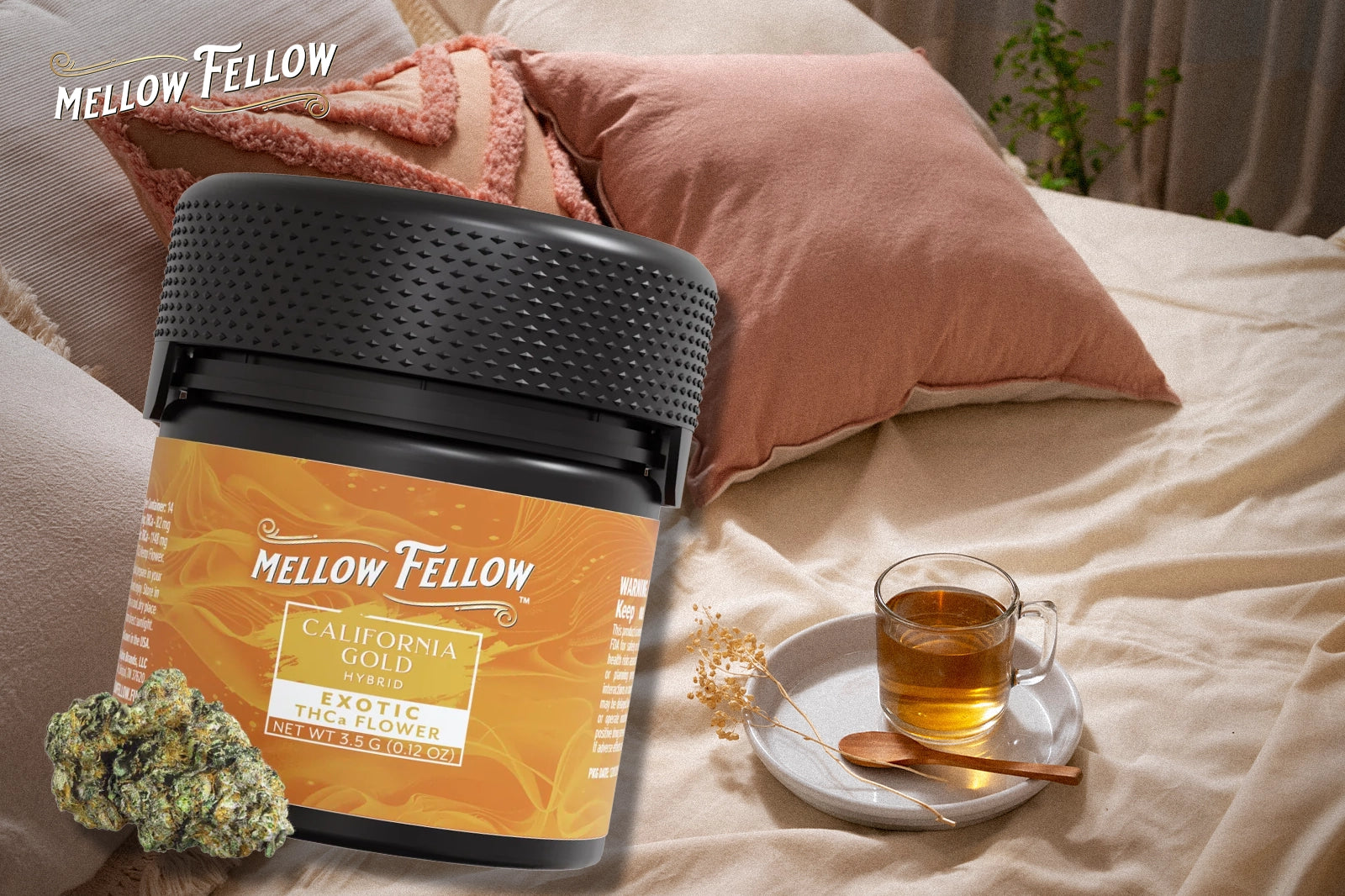
For indica flower options, California Gold Indica THCa Flower and Garlic Mintz Indica THCa Flower Sachets are solid starting points. Both carry the terpene and cannabinoid characteristics typical of sedating indica genetics.
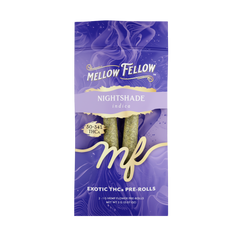
If you prefer a pre-roll format, the Nightshade Indica THCa Pre-Rolls offer a 2-pack for straightforward nightly use. For those who want to sample across strain types before committing, the THCa Pre-Roll Sampler 6-Pack covers a variety of genetics including indica options.
Indica vs Sativa for Sleep: Side-by-Side Comparison
|
Feature |
Indica |
Sativa |
Hybrid |
|
Primary effect |
Body relaxation, sedation |
Mental stimulation, energy |
Varies by dominant parent |
|
Sleep suitability |
High |
Low |
Moderate to high (indica-dom) |
|
Common terpenes |
Myrcene, linalool, caryophyllene |
Terpinolene, limonene, pinene |
Mixed |
|
Best use time |
Evening/night |
Morning/afternoon |
Late afternoon to evening |
|
Onset (flower) |
5-15 min |
5-15 min |
5-15 min |
Choosing the Right THCa Flower or Pre-Roll for Sleep
THCa is the raw, non-decarboxylated form of THC. When combusted or vaporized, THCa converts to THC, producing the same psychoactive effects. This makes THCa flower functionally equivalent to traditional cannabis flower in terms of sleep effects.
Start with a single gram to assess how a strain affects you before buying a full 3.5 g jar. The Purple Champagne Sativa Sachets offer a 1 g entry point for sativa-curious buyers, while indica options at the same size let you compare without waste.
For deeper reading on how terpenes interact with cannabinoids, the complete cannabis terpenes guide and the post on best terpenes for stress and anxiety both expand on the mechanisms covered here.
The Best Sleep Strain Is the One That Matches Your Body
Indica strains remain the safest starting point for sleep because their terpene and cannabinoid profiles consistently lean toward relaxation and sedation. Still, no strain works exactly the same for everyone. Start with a moderate dose, pay attention to terpene content, and give your body time to respond before increasing potency or quantity.
If you want to start with a structured nighttime option rather than single-strain flower, browse Mellow Fellow’s Dream blend collection for CBN-forward formulations designed around sleep.
Sources
- The Use of Cannabinoids for Insomnia in Daily Life: Naturalistic Study – PMC
- Beta-Caryophyllene, a Cannabinoid Receptor Type 2 Selective Agonist, in Emotional and Cognitive Disorders – PMC
- Inhaled linalool-induced sedation in mice – PubMed
- Cannabis dosing and administration for sleep: a systematic review – PubMed
- Beta-Myrcene as a Sedative–Hypnotic Component from Lavender Essential Oil in DL-4-Chlorophenylalanine-Induced-Insomnia Mice – PMC