
Full Spectrum vs. Broad Spectrum CBD: Which Type Fits Your Goals?
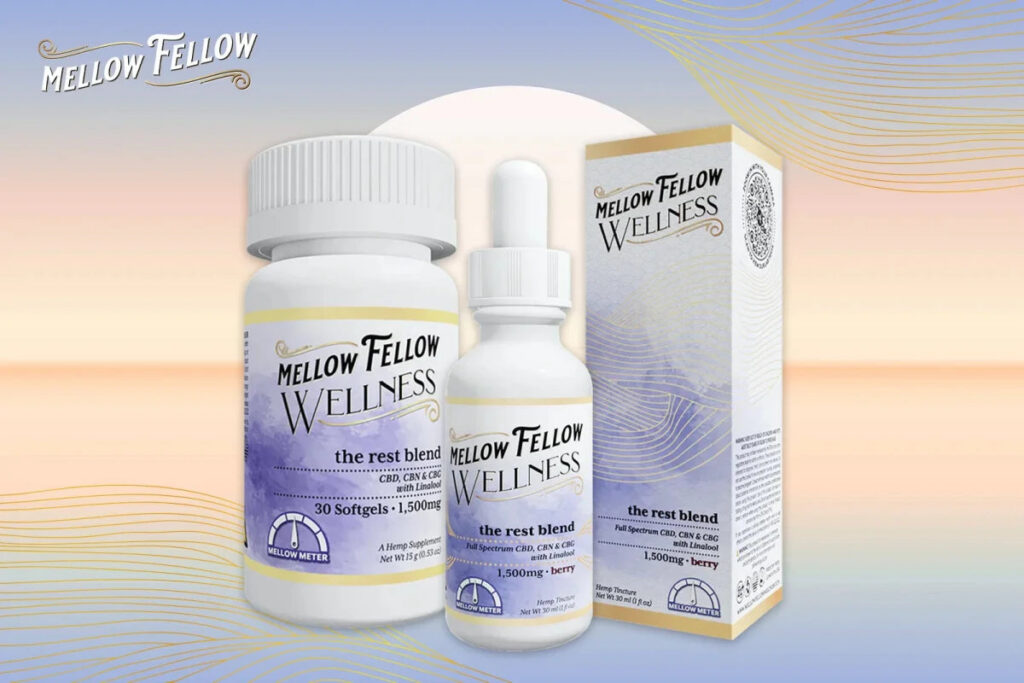
Quick Answer: Full spectrum CBD contains all naturally occurring hemp compounds, including trace THC (up to 0.3%), while broad spectrum CBD includes cannabinoids and terpenes with THC removed. Both types can support relaxation, focus, and daily wellness – the right choice depends on THC sensitivity and your goals.
Choosing the right type of CBD isn’t just about potency or format. It comes down to what’s actually in the extract and how those compounds work together in your body. Full spectrum and broad spectrum CBD may look similar on the surface, but the presence or absence of THC and the way each formula is processed can lead to noticeably different experiences.
In this guide, we break down exactly what separates full spectrum from broad spectrum CBD, how the entourage effect plays into each, and which option makes more sense based on your goals, tolerance, and daily routine.
Key Takeaways
- Full spectrum CBD preserves all hemp compounds, including trace Delta 9 THC, CBG, CBN, and terpenes.
- Broad spectrum CBD offers a THC-free option while still retaining most other cannabinoids and terpenes.
- The entourage effect – where cannabinoids and terpenes work together – applies to both types, though research suggests full spectrum produces a stronger synergistic response.
- A 2015 study published in Pharmacology & Pharmacy found that whole-plant CBD-enriched extracts outperformed purified CBD isolate, showing dose-dependent effects where pure CBD alone did not.
- Mellow Fellow’s wellness line offers pharmacist-formulated options in both formats, with clear cannabinoid labeling and third-party testing on every batch.
What Full Spectrum CBD Contains
Full spectrum CBD is an extract that retains the full range of compounds found in the hemp plant: cannabinoids, terpenes, flavonoids, and fatty acids. This includes trace amounts of Delta 9 THC, capped at 0.3% by dry weight under the 2018 Farm Bill as codified by USDA.
The cannabinoid list in a typical full spectrum product includes CBD, CBG, CBN, CBC, and small amounts of Delta 9 THC. Terpenes like myrcene, linalool, and beta-caryophyllene are also present and contribute to aroma, flavor, and potential effect modulation.
Research published in Pharmacology & Pharmacy showed that whole-plant extracts enriched in CBD produced clear dose-dependent anti-inflammatory and anti-nociceptive responses in mice, while purified CBD alone displayed a bell-shaped dose-response that limited its clinical usefulness. The researchers concluded that other plant components work alongside CBD to produce more consistent outcomes – a finding widely cited in support of the entourage effect.
For users focused on daily stress relief, sleep support, or general wellness, full spectrum products like The Rest Blend Softgels – 1500mg offer a straightforward way to bring that full compound range into a consistent routine.
What Broad Spectrum CBD Offers
Broad spectrum CBD goes through an additional processing step to remove detectable THC while preserving most other cannabinoids and terpenes. For users who are sensitive to THC, subject to drug testing, or simply prefer a THC-free product, this format addresses those concerns without stripping the extract down to a single compound.
The tradeoff is small but real: removing THC alters the compound profile slightly, and some researchers note that the full entourage effect may be reduced. That said, broad spectrum products that retain CBG, CBN, and a robust terpene panel still deliver meaningful support for relaxation and focus.
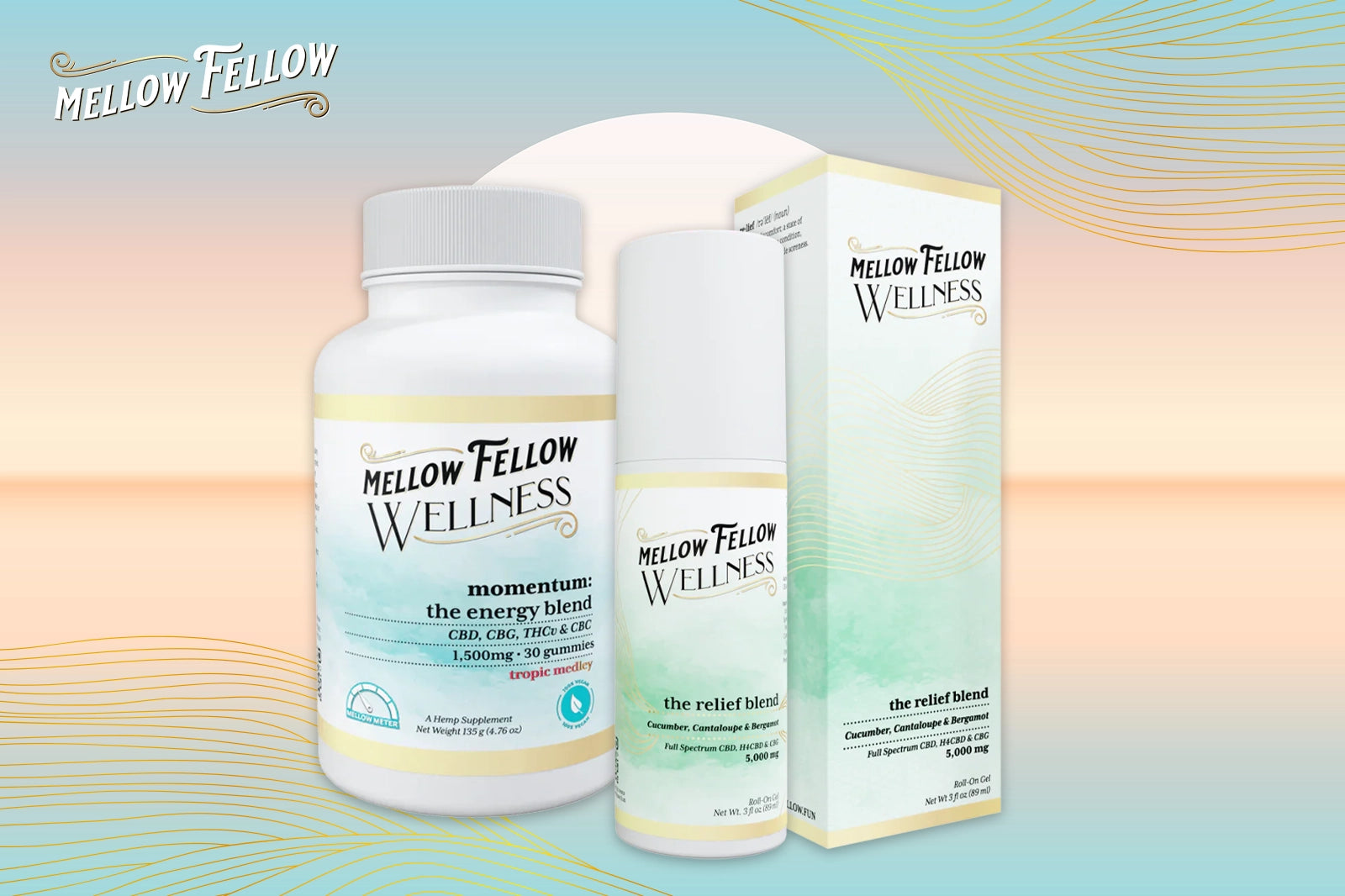
Products like The Energy Blend – 1500mg Tropic Medley are formulated with this in mind – designed for users who want predictable, daily-use support without psychoactive concerns.
For more on how specific cannabinoids interact with your body, the cannabinoids for focus and how to repair cannabinoid receptors posts cover the science in readable detail.
Full Spectrum vs. Broad Spectrum CBD: Side-by-Side Comparison
|
Feature |
Full Spectrum |
Broad Spectrum |
|
THC Content |
Up to 0.3% Delta 9 THC |
Non-detectable THC |
|
Cannabinoid Range |
Complete (CBD, CBG, CBN, CBC, THC) |
Complete minus THC |
|
Terpene Retention |
High |
High (varies by brand) |
|
Entourage Effect |
Full |
Partial to full |
|
Drug Test Risk |
Low but possible |
Minimal |
|
Best For |
General wellness, sleep, mood |
THC-sensitive users, drug testing concerns |
How to Choose Between CBD Spectrum Types
The decision comes down to three factors: THC sensitivity, intended use, and format preference.
- THC Sensitivity: If you have a low tolerance for any THC – even trace amounts – or if you’re subject to workplace drug testing, broad spectrum is the practical choice. Full spectrum contains enough THC to appear on a sensitive urine test in rare cases, particularly with high daily doses.
- Intended Use: Users focused on sleep and evening relaxation often find full spectrum products more useful, partly due to the synergistic role CBN and THC play in calming formulas. For morning focus or active-use contexts, broad spectrum tinctures and softgels offer clean support without grogginess concerns.
- Format and Delivery: Onset time and bioavailability vary by format. Sublingual tinctures absorb faster than softgels. Topicals like the Wellness Roll On Gel – The Relief Blend work locally and avoid systemic THC exposure entirely, making them suitable for users on either side of the spectrum debate.
For those who want help narrowing down the right product, the Mellow Matcher tool on the Mellow Fellow site walks through use case, format, and cannabinoid preferences.
CBD Spectrum Types and the Entourage Effect
The entourage effect is the most cited reason to choose full spectrum over isolate or broad spectrum. Neurologist and cannabis researcher Dr. Ethan Russo documented in a peer-reviewed review in the British Journal of Pharmacology that terpenes and minor cannabinoids interact meaningfully with THC and CBD, potentially amplifying therapeutic outcomes that neither compound achieves alone. His review covers limonene, myrcene, linalool, and beta-caryophyllene as key contributors to cannabis pharmacology.
Beta-caryophyllene stands out as one of the clearest examples of how individual terpenes actively interact with the body. Research published in the International Journal of Molecular Sciences confirms that this compound selectively binds to CB2 receptors, functioning as a CB2 agonist and influencing inflammatory and neurological pathways without psychoactive effects. This helps explain why terpene-rich extracts tend to feel more complex and effective than stripped-down isolates.
Beyond beta-caryophyllene, other terpenes shape the overall experience in distinct ways. Myrcene and linalool are commonly linked to more calming, sedating profiles, while limonene and pinene are typically associated with more uplifting, energizing effects.
For a deeper look at the complete list of cannabis terpenes and their effects, Mellow Fellow’s blog covers each major compound.
This is one reason Mellow Fellow’s cannabinoid blends go beyond single-compound formulations. Products like the Wanderlust Blend Star Monkey Terp Sauce 1ml Disposable Vape and the Desire Blend Cali Gas 1ml Live Resin Vape Cartridge are built around multi-cannabinoid profiles that reflect this principle at a formulation level. For a broader overview of how all these compounds interact, the what is the entourage effect post is a reliable starting point.
Browse the full Mellow Fellow wellness lineup or find best terpenes for euphoria to better understand which profiles suit your goals.
Does Full Spectrum CBD Show Up on Drug Tests?
This is one of the most searched questions in the CBD category – and the answer requires nuance. Standard urine drug tests screen for THC metabolites, not CBD. Full spectrum products containing up to 0.3% Delta 9 THC can, in theory, produce a positive result with high daily consumption over time. The risk is low at typical doses but not zero.
Broad spectrum products marketed as THC-free present a lower risk, though the word “free” means non-detectable rather than truly absent in most cases. Third-party lab testing is the only reliable way to confirm actual THC levels. All Mellow Fellow products include batch-specific COAs available through the testing page.
The endocannabinoid system review published in Acta Pharmacologica Sinica provides useful background on how cannabinoids metabolize in the body – context worth understanding before making daily dosing decisions. For product-specific drug test questions, the posts on does THCP show up in drug tests and does HHC show up on drug tests are also useful references for users navigating related cannabinoids.
If drug testing is a concern, review the COA before purchasing any CBD product – regardless of how the label describes the spectrum type.
Mellow Fellow Wellness Products Worth Trying
Mellow Fellow’s wellness line applies the same pharmacist-formulated approach used in its cannabinoid blends to CBD-forward products. Whether you’re looking for daily balance, sleep support, or focused energy, each product comes with a clear cannabinoid breakdown and consistent dosing.
Products to consider by goal:
- Sleep and Wind-Down: The Rest Blend Softgels – 1500mg – CBN-forward formula designed for nighttime use
- Daily Focus: The Focus Blend Softgels – 600mg – built around CBG and THCV for clean, non-sedating support
- Mood and Calm: The Happy Blend – 130mg 2ct Tropic Medley – a gentle formula for everyday mood support
- Topical Relief: Wellness Roll On Gel – The Relief Blend – cucumber and berry-forward roll-on for localized use
- Inhalable Options: Introvert Blend 2ml Live Resin Disposable – King Louis – for users who prefer fast-onset inhalable formats with a full cannabinoid profile
Browse the full range at the Mellow Fellow Wellness page or use shop by experience to find products matched to your goal.
Finding the Right CBD with Mellow Fellow
At the end of the day, the difference between full spectrum and broad spectrum CBD comes down to one simple question: do you want THC in the mix or not? Both options deliver a wide range of cannabinoids and terpenes that work together to support relaxation, focus, and daily balance. The real distinction is how much of that full plant profile you want to keep.
If you’re looking for the most complete version of the entourage effect, full spectrum is the stronger option. If you prefer to avoid THC entirely while still getting multi-compound support, broad spectrum is the safer, more predictable choice.
Shop the wellness collection or check third-party lab results to confirm what’s in every product before you buy.
Sources
- Beta-Caryophyllene, a Cannabinoid Receptor Type 2 Selective Agonist, in Emotional and Cognitive Disorders – PMC
- Cannabis, cannabinoid receptors, and endocannabinoid system: yesterday, today, and tomorrow – PMC
- Overcoming the Bell-Shaped Dose-Response of Cannabidiol by Using Cannabis Extract Enriched in Cannabidiol
- Hemp Production (website updates in progress) | Agricultural Marketing Service
- Taming THC: potential cannabis synergy and phytocannabinoid-terpenoid entourage effects – PMC
Leave a Reply