
Are THC Drinks Legal? State-by-State Guide to Hemp-Derived Beverages
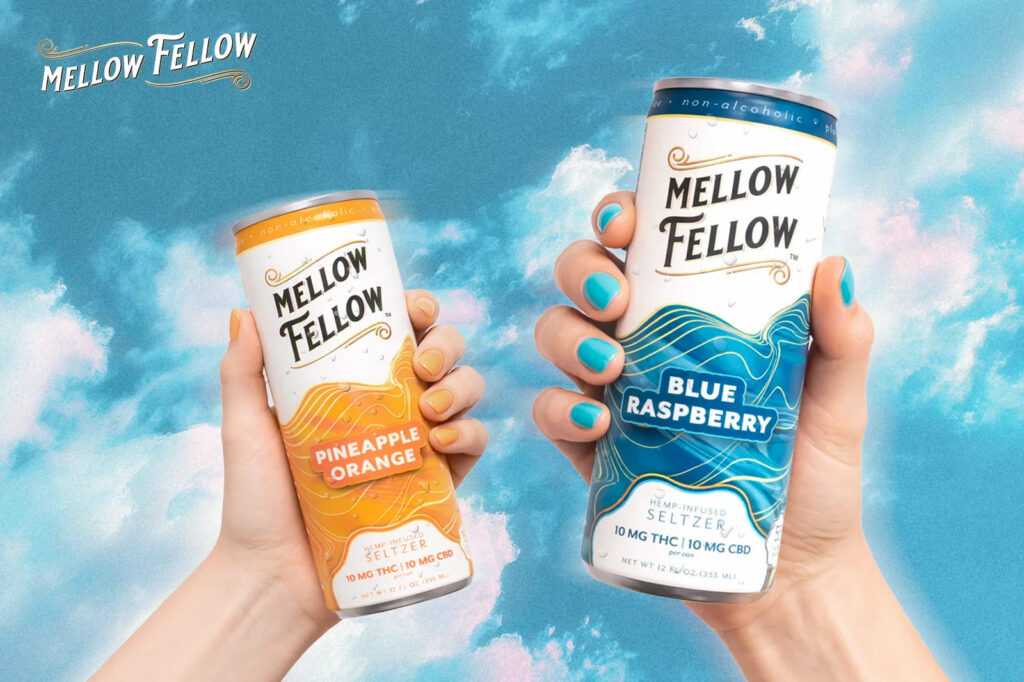
Quick Answer: Yes, hemp-derived THC drinks containing less than 0.3% Delta 9 THC by dry weight are federally legal under the 2018 Farm Bill, but state laws vary significantly. Some states allow unrestricted sales, while others have banned or heavily regulated these products.
The legality of THC drinks exists in a complex space where federal hemp law intersects with individual state regulations.
While the 2018 Farm Bill opened the door for hemp-derived products nationwide, the resulting market has created a patchwork of rules that confuse consumers and retailers alike.
This guide breaks down the federal framework, explains why liquid THC products became viable, and maps current state-by-state restrictions so you can make informed decisions about purchasing and possession.
Key Takeaways
- Hemp-derived THC drinks are federally legal under the 2018 Farm Bill when they contain no more than 0.3% Delta 9 THC by dry weight, but state laws ultimately control sales and shipping.
- Liquid THC products remain legal because THC is measured by product weight, allowing beverages to contain meaningful milligram doses while staying compliant.
- State enforcement varies widely, with some states banning hemp-derived THC outright and others allowing it under strict testing, labeling, and age restrictions.
- Nano-emulsified THC drinks absorb faster than traditional edibles, typically producing effects within 15 to 30 minutes and wearing off sooner.
- Consumers reduce risk by choosing brands that publish batch-specific lab results, follow age verification rules, and block shipping to restricted states.
Why Hemp-Derived THC Drinks Are Federally Legal
The 2018 Farm Bill removed hemp from the Controlled Substances Act and defined it as cannabis containing no more than 0.3% Delta 9 THC by dry weight. This single regulatory change made hemp-derived cannabinoids – including Delta 9 THC itself – legal at the federal level when products stay under that threshold.
Beverage manufacturers discovered that liquids, which weigh significantly more than the cannabinoids they contain, allow for higher absolute doses while remaining compliant. A 12-ounce seltzer weighing roughly 340 grams can legally contain up to 1,020 mg of total weight at 0.3% concentration. When you subtract the liquid weight, meaningful doses of Delta 9 THC become possible within the legal limit.
The loophole isn’t truly a loophole – it’s the law working as written. Regulators measured THC as a percentage of total product weight, not as absolute milligrams. This distinction matters because a 10 mg or 20 mg THC beverage can deliver psychoactive effects comparable to recreational edibles while meeting federal hemp standards.
State-by-State Legal Status
|
State |
Category |
Notes |
|
Alabama |
Regulated |
Allows hemp‑THC products under tight licensing, 21+ age limit, potency caps, and testing/labeling rules. |
|
Alaska |
Cannabis‑only / Regulated |
Intoxicating THC drinks primarily sold via licensed cannabis; hemp side constrained by state controls even though some guides describe market as “legal & permissive.” |
|
Arizona |
Open / Cannabis‑only mix |
Robust cannabis drink market; hemp‑THC beverages tolerated within 0.3% delta‑9 but practically sit alongside dispensary products. |
|
Arkansas |
Prohibited / Highly restricted |
Heavy restrictions and litigation on intoxicating hemp cannabinoids; several 2025 summaries classify hemp‑THC as effectively banned. |
|
California |
Regulated / Cannabis‑only leaning |
AB‑45 allows hemp products under 0.3% total THC but bans most “isomerized” intoxicating cannabinoids; higher‑THC drinks live in cannabis system. |
|
Colorado |
Cannabis‑only |
Intoxicating hemp cannabinoids generally treated as marijuana; THC beverages must comply with adult‑use cannabis rules and channels. |
|
Connecticut |
Cannabis‑only |
Significant‑THC or isomerized hemp products treated as cannabis; only licensed cannabis outlets can sell THC beverages. |
|
Delaware |
Cannabis‑only / Prohibited in general retail |
Intoxicating hemp THC products restricted to cannabis framework; no standard hemp‑THC seltzers in general retail. |
|
Florida |
Regulated |
Consumable hemp program with 21+ rules, testing, packaging; hemp‑THC drinks allowed but tightly controlled. |
|
Georgia |
Regulated (contested) |
Allows hemp products but ongoing enforcement and litigation around intoxicating cannabinoids; several 2025 guides treat drinks as “legal but evolving.” |
|
Hawaii |
Prohibited / Very restricted |
Strong limits on hemp in foods and supplements; intoxicating hemp‑THC beverages effectively barred. |
|
Idaho |
Prohibited |
Zero‑tolerance for THC; hemp products with any THC content, including drinks, are banned. |
|
Illinois |
Cannabis‑only / Regulated |
THC drinks widely sold via cannabis dispensaries; hemp‑THC must stay within 0.3% delta‑9 and comply with food laws. |
|
Indiana |
Open (hemp‑only) |
Hemp‑derived products legal with conservative cannabis laws; hemp‑THC drinks sold as long as delta‑9 stays under 0.3%. |
|
Iowa |
Prohibited / Highly restricted |
Multiple sources note bans or severe limits on hemp‑THC foods and drinks; some describe low‑dose frameworks but not a permissive drink market. |
|
Kansas |
Prohibited / Grey |
State has moved against “all THC isomers and derivatives,” leaving intoxicating hemp‑THC beverages effectively illegal. |
|
Kentucky |
Regulated |
HB 544 created licensing, 21+ age limits, and testing/labeling for intoxicating hemp cannabinoids including drinks. |
|
Louisiana |
Regulated |
Consumable hemp rules with product limits; several CBD/hemp updates highlight restrictions on foods and beverages containing cannabinoids. |
|
Maine |
Regulated |
Allows hemp‑derived THC in foods and beverages with testing/labeling; often treated as a relatively friendly but regulated market. |
|
Maryland |
Cannabis‑only / Regulated |
Adult‑use cannabis drinks available; intoxicating hemp products constrained and often channeled through licensed cannabis businesses. |
|
Massachusetts |
Cannabis‑only / Regulated |
THC drinks primarily sold via cannabis dispensaries; hemp‑THC beverages must navigate strict food and hemp rules. |
|
Michigan |
Cannabis‑only |
State has moved intoxicating hemp cannabinoids into marijuana framework; THC drinks go through cannabis licensees. |
|
Minnesota |
Regulated |
Explicit “lower‑potency hemp edible” category; beverages capped at low mg/serving with licensing, registration, and testing rules. |
|
Mississippi |
Prohibited |
Strong restrictions on intoxicating hemp cannabinoids; 2025 ban lists include Mississippi among states hostile to hemp‑THC. |
|
Missouri |
Open / Cannabis‑only mix |
Legal cannabis beverages via dispensaries; hemp‑THC drinks often allowed within 0.3% THC but must meet general hemp rules. |
|
Montana |
Cannabis‑only |
Recreational cannabis drinks allowed; hemp‑THC products effectively treated as cannabis rather than open‑market hemp. |
|
Nebraska |
Prohibited / Grey |
Nebraska enforces against THC; some guides call all THC‑containing products, including drinks, illegal. |
|
Nevada |
Cannabis‑only |
Strong dispensary market for THC drinks; hemp‑THC beverages effectively folded into cannabis regime. |
|
New Hampshire |
Prohibited / Highly restricted |
Restrictive stance on intoxicating hemp THC, with multiple 2025 lists placing it in the “bans or heavy restrictions” group. |
|
New Jersey |
Cannabis‑only / Regulated |
Legal cannabis beverages via dispensaries; hemp‑THC drinks constrained by cannabis and food rules. |
|
New Mexico |
Cannabis‑only / Regulated |
Adult‑use cannabis drinks available; intoxicating hemp beverages closely regulated and often limited to cannabis channels. |
|
New York |
Regulated / Cannabis‑only leaning |
State has cracked down on unlicensed intoxicating hemp products; THC drinks largely expected to run through cannabis retailers. |
|
North Carolina |
Open (hemp‑only, under pressure) |
Hemp‑THC products allowed under federal hemp definition, but advocacy groups warn of bills that could sharply restrict them. |
|
North Dakota |
Prohibited / Highly restricted |
Often listed among states that have banned hemp‑THC products, including drinks. |
|
Ohio |
Regulated |
Hemp‑THC allowed with testing/labeling; 2025 advocacy notes legislative fights over potential bans, but as of late 2025 framework remains in place. |
|
Oklahoma |
Open (hemp‑friendly) |
Described as “fully allows hemp‑derived THC products” with a thriving market, subject to general hemp rules. |
|
Oregon |
Cannabis‑only |
Intoxicating hemp products routed into recreational cannabis; unregulated hemp‑THC drinks in general retail are being squeezed out. |
|
Pennsylvania |
Regulated |
Hemp legal but CBD/THC in foods tightly policed; intoxicating hemp‑THC drinks fall into a cautious, regulated category. |
|
Rhode Island |
Prohibited / Cannabis‑only |
Restrictive toward intoxicating hemp cannabinoids; any THC beverages are largely confined to cannabis channels, not hemp retail. |
|
South Carolina |
Regulated / Grey |
Hemp products allowed but cannabis illegal; intoxicating hemp‑THC drinks exist in a conservative, contested space. |
|
South Dakota |
Prohibited / Highly restricted |
Included in multiple lists of states hostile to THC drinks despite broader cannabis debates. |
|
Tennessee |
Regulated |
New licensing, 21+ limits, and testing requirements for hemp‑derived intoxicating cannabinoids, including beverages. |
|
Texas |
Regulated (with possible future ban) |
Consumable hemp program still allows hemp‑THC products, but SB 3 in 2025 threatened a full ban, showing high policy risk. |
|
Utah |
Prohibited / Highly restricted |
Strong controls on hemp foods and smokables; intoxicating hemp beverages not permitted. |
|
Vermont |
Regulated / Cannabis‑only mix |
Legal cannabis beverages plus strict caps and licensing on hemp‑THC; often placed in “legal but tightly regulated” bucket. |
|
Virginia |
Regulated |
2023–2024 laws added potency caps and registration requirements for hemp products; intoxicating beverages allowed only within strict limits. |
|
Washington |
Cannabis‑only |
State classifies intoxicating hemp products as cannabis; I‑502 system is the only lawful channel for THC drinks. |
|
West Virginia |
Regulated / Grey |
Hemp allowed; intoxicating hemp‑THC sits in a murky, evolving space with limited explicit guidance. |
|
Wisconsin |
Open (hemp‑only) |
Described as a “CBD only” cannabis state but relatively permissive on hemp‑THC products within 0.3% delta‑9. |
|
Wyoming |
Open (hemp‑only, conservative) |
Hemp legal with few specific hemp‑THC drink statutes; market operates under federal hemp definition but in a conservative enforcement environment. |
This list reflects known restrictions as of late 2025. States continue to introduce new bills, so checking the shipping restrictions page before ordering ensures current compliance.
Why Some States Banned Hemp THC Despite Federal Legality
States with legal cannabis programs often see hemp-derived THC drinks as unfair competition. These products can be sold outside dispensaries, avoiding cannabis taxes, licensing, and testing rules that generate state revenue.
Some lawmakers also raised public safety concerns, arguing that intoxicating drinks sold in convenience stores are easier for minors to access. Others believe the 2018 Farm Bill never intended to allow psychoactive hemp products and moved to close what they view as a loophole.
The outcome is a patchwork system where hemp THC drinks are legal in some states but banned in others, even though federal law allows them.
How to Verify Product Compliance
Reputable hemp-derived THC beverage brands provide third-party lab results for every batch, often accessible via QR codes printed on packaging. A compliant Certificate of Analysis should list:
- Total Delta 9 THC content in milligrams per serving
- THC percentage by dry weight (must be ≤0.3%)
- Screening for heavy metals, pesticides, residual solvents, and microbial contaminants
- Confirmation of other cannabinoids present, including CBD if the product contains it
Check the COA date to confirm it matches the batch number on your product. Labs accredited by ISO 17025 standards produce more reliable results than unaccredited facilities. If a brand refuses to share lab reports or the results show THC levels above 0.3% by dry weight, avoid the product.
Mellow Fellow’s testing page hosts batch-specific COAs for every product, including the THC seltzer line. Each 12-ounce can contains 20 mg Delta 9 THC and 10 mg CBD, formulated to stay within federal limits while delivering consistent effects.
How THC Drinks Work Differently Than Edibles
Traditional THC edibles are processed through the digestive system, where the liver converts Delta 9 THC into 11-hydroxy-THC. This leads to a slower onset of 45 to 90 minutes and longer-lasting, often stronger effects.
Hemp-derived THC drinks typically use nano-emulsification, breaking cannabinoids into tiny water-soluble particles that absorb more quickly through the mouth and stomach. This shortens onset to about 15 to 30 minutes, with effects that peak sooner and wear off faster than edibles.
Timing and intensity still vary based on metabolism, food intake, and tolerance. Many users find drinks easier to dose because the faster onset provides quicker feedback on how the THC is affecting them.
Choosing the Right THC Beverage Format
Hemp-derived THC drinks come in multiple formats, each suited to different use cases and flavor preferences. Seltzers dominate the market because they mimic familiar beverages like hard seltzers and sodas, making them approachable for cannabis-curious consumers.
Seltzers and sparkling waters offer light, refreshing options with minimal calories. These work well for daytime social settings or as a substitute for alcohol. Mellow Fellow’s Delta 9 THC seltzer collection includes flavors like Blackberry Lemon, Blue Raspberry, Pineapple Orange, and Strawberry Mango, each with 20mg Delta 9 THC and 10mg CBD per 12-ounce can.

Syrups and concentrates allow users to mix custom doses into their own drinks. These provide flexibility but require careful measuring to avoid overconsumption. They also take longer to kick in because the cannabinoids must mix with stomach contents before absorption.
Ready-to-drink teas and coffees appeal to users who want THC in a familiar morning or afternoon ritual. These typically use the same nano-emulsion technology as seltzers but pair it with caffeine or L-theanine for specific effect profiles.
Nano-emulsified formats generally produce faster onset and more predictable timing compared to oil-based tinctures added to beverages at home. The consistency matters when you need to know how long until effects appear, especially if you’re trying to time a dose around a meal or event.
Dosing Guidelines for First-Time Users
Start with half a serving. Most THC drinks contain 5 to 10mg per serving, with higher doses up to 20mg. For beginners, 5mg is usually enough to feel mild effects.
Wait at least 30 to 45 minutes before taking more. THC drinks act faster than edibles, but food, metabolism, and tolerance all affect timing.
Higher doses can overwhelm new users, and effects cannot be stopped once consumed. Avoid mixing THC drinks with alcohol, as it increases impairment and side effects.
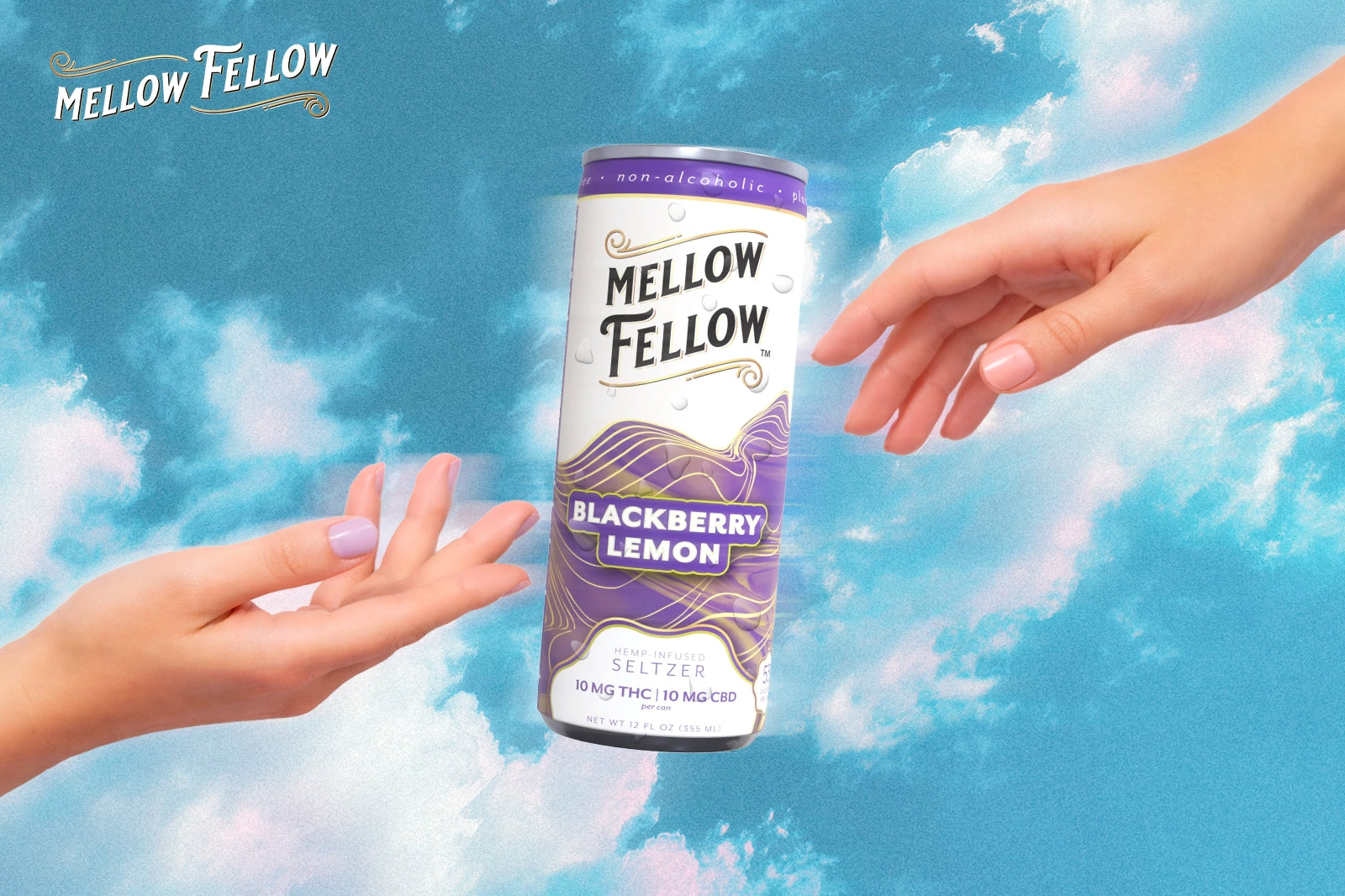
If you’re comparing formats, consider that Mellow Fellow’s 20 mg Blackberry Lemon seltzer pairs Delta 9 THC with 10mg CBD, which many users find balances the psychoactive edge with calmer body effects. The CBD doesn’t eliminate THC’s impact but can smooth the experience for people sensitive to anxiety.
so most brands use private carriers. Discreet packaging helps reduce shipping issues.
If you live in a state where hemp-derived THC drinks are legal but local delivery proves difficult, check whether nearby retail locations stock the product. Mellow Fellow’s store locator helps buyers find brick-and-mortar shops carrying the brand’s seltzer line in compliant states.
Comparing THC Drinks to Other Hemp Formats
Hemp-derived THC appears in multiple product categories, each with distinct absorption pathways and use cases. Understanding these differences helps you pick the format that matches your goals.
Vapes and Disposables
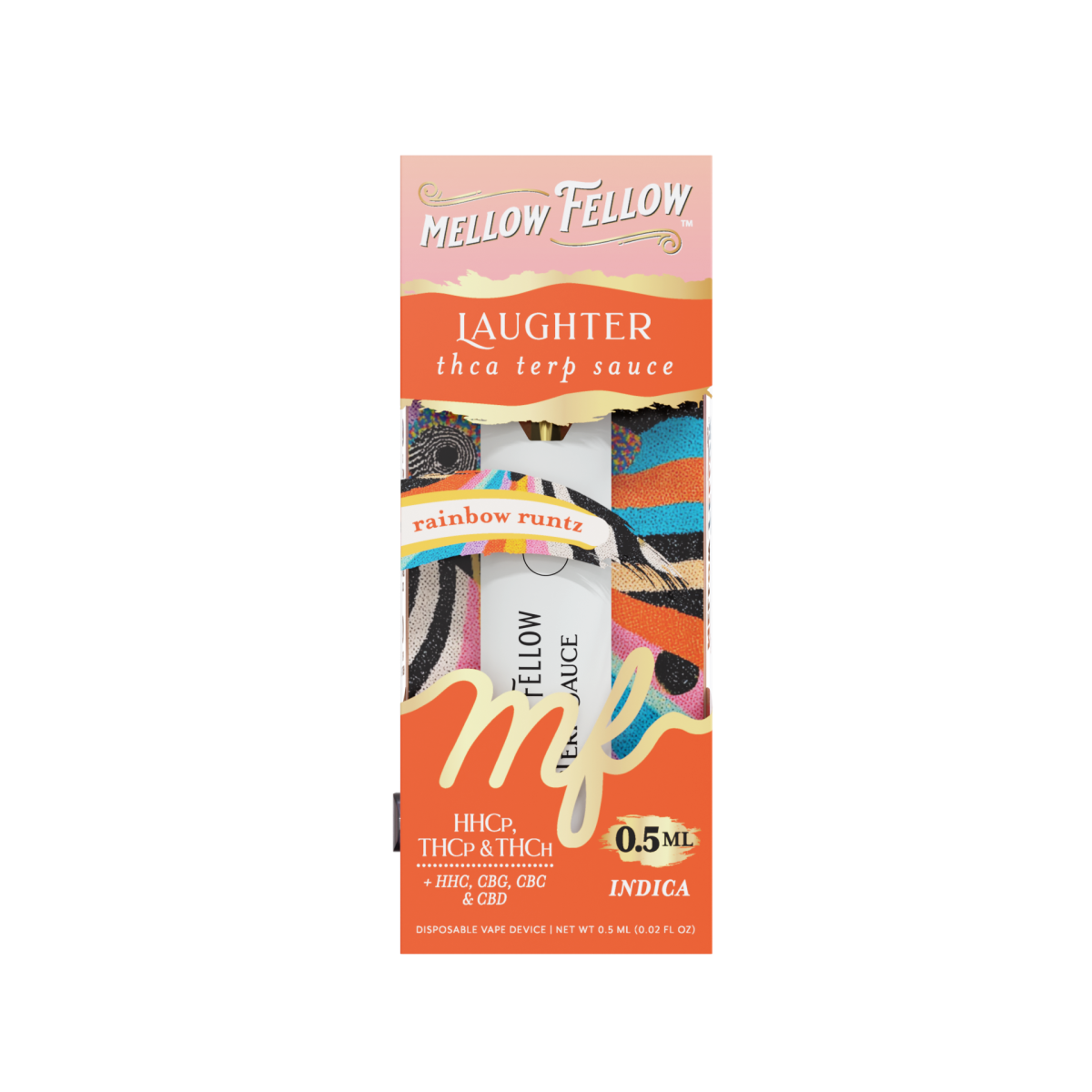
These deliver cannabinoids through inhalation, producing effects within 5-10 minutes. This speed and the ability to titrate doses puff by puff make vaping popular for experienced users who want precise control. However, vapes require charging or battery management, and some people dislike inhaling vapor. For alternatives, explore live resin disposables for terpene-rich flavor profiles.
Gummies and Traditional Edibles
These take longer to kick in, typically 45-90 minutes, because they must pass through the digestive system. The liver converts Delta 9 THC into 11-hydroxy-THC, a more potent metabolite that produces stronger, longer-lasting effects. Edibles suit users who want sustained relief or a full evening experience but don’t need immediate onset. Delta 9 edibles offer pre-measured servings with consistent dosing.

Tinctures and Oils
Tinctures and oils absorb sublingually when held under the tongue for 30-60 seconds, bypassing the digestive system for faster onset than swallowed edibles. Onset ranges from 15-45 minutes depending on how long you hold the dose and whether you swallow residual oil. Tinctures provide flexible dosing but taste earthy or bitter, which some users find off-putting.

THC seltzers
THC seltzers sit between vapes and traditional edibles in terms of speed and duration. Nano-emulsified drinks kick in around 15-30 minutes and last 2-4 hours for most people. They offer social appeal similar to alcohol without the hangover, making them popular at gatherings or casual settings. The variety pack lets you sample multiple flavors without committing to a single option.

Format choice often comes down to setting and personal preference. Vapes work for quick, discrete dosing; edibles suit longer sessions; drinks fit social occasions where cracking open a beverage feels natural.
What to Expect From Enforcement and Future Regulation
Hemp-derived THC remains in a shifting regulatory environment in 2026. Several states expanded restrictions through 2024 and 2025, with more legislation expected. The FDA continues issuing warning letters for health claims and labeling issues but has not reclassified hemp-derived THC.
Some lawmakers expect a future Farm Bill update to replace percentage-based THC limits with milligram caps. Others believe clearer state rules for testing, labeling, and age-restricted sales will bring stability.
Enforcement focuses on mislabeling, contaminants, and underage sales. Brands that prioritize compliance, lab testing, and age verification face lower legal risk.
Mellow Fellow’s THC Seltzer Lineup
Mellow Fellow’s hemp-derived THC seltzers deliver 10mg Delta 9 THC and 10 mg CBD per 12-ounce can, formulated with nano-emulsified cannabinoids for faster onset. Each batch undergoes third-party testing with QR-linked COAs available on the testing page.
The Blackberry Lemon seltzer balances tart citrus with berry sweetness, appealing to users who want a refreshing, low-calorie option for daytime or evening use. The Blue Raspberry flavor leans sweeter with a nostalgic candy-like profile, while Pineapple Orange brings tropical brightness. The Strawberry Mango variety combines two fruit-forward notes for a smooth, approachable taste.

First-time buyers can sample multiple flavors through the 12-count variety pack, which includes three cans of each flavor. This format suits groups or individuals who want flexibility without buying full cases of a single option.
The 10mg Delta 9 dose sits at the higher end for hemp-derived beverages, making these seltzers better suited for experienced users or those comfortable splitting a can.
The added 10mg CBD provides a balancing effect that some find reduces THC-related anxiety while maintaining the psychoactive experience. Users report onset within 20-30 minutes on average, with effects lasting 2-4 hours depending on tolerance and metabolism.
All Mellow Fellow THC seltzers ship to compliant states with age verification at checkout and delivery. Visit the drinks collection page to see current availability and flavor options.
THC Drink Legality – Final Thoughts
THC drinks are federally legal, but state rules decide what you can actually buy and ship. That makes knowing your local laws, checking lab reports, and choosing compliant brands more important than ever. Hemp-derived THC beverages are here to stay, but the safest experience comes from products that play by the rules and deliver consistent dosing you can trust.
If you want a THC seltzer that is federally compliant, clearly labeled, and backed by batch-specific lab testing, Mellow Fellow keeps it simple. Check availability in your state and explore the THC seltzer lineup to find a flavor and format that fits your lifestyle.
Frequently Asked Questions
Are THC Drinks Legal to Buy Online?
THC drinks can be purchased online only if they are hemp-derived, meet federal THC limits, and are shipped to a state where they are permitted. Many states restrict or ban hemp-derived THC beverages, so reputable sellers automatically block orders from non-compliant locations. Always confirm your state’s rules before ordering.
Why Are THC Drinks Legal When Some THC Gummies Are Not?
Both products rely on the same federal hemp definition, but enforcement differs by state and product category. Some states allow beverages while restricting edibles, or vice versa, based on food laws, potency caps, or how intoxicating products are regulated. Format matters as much as THC content at the state level.
Can States Override Federal Hemp Law?
Yes. While federal law defines hemp legality, states can impose stricter rules under their own regulatory authority. This is why a THC seltzer may be legal in one state and banned across the border, even if the product meets federal standards.
How Do I Know If a THC Drink Is Actually Compliant?
Check the Certificate of Analysis from an accredited lab. It should confirm Delta 9 THC content, show a THC percentage at or below 0.3% by dry weight, and include safety screenings. If lab reports are missing, outdated, or vague, the product may not be compliant.
Will THC Drink Laws Change in 2026?
Further changes are likely. Several states continue to introduce new bills, and future Farm Bill revisions could shift THC limits from percentage-based rules to milligram caps. For now, enforcement focuses on mislabeling, contaminants, and underage sales rather than outright federal bans.